

| Piece count | |
|---|---|
| Brand | |
| Atmosphere | |
| Artist | |
| Occasion | |
| Art movement | |
| Difficulty | |
| Dimensions of the work | 140 cm x 210 cm |
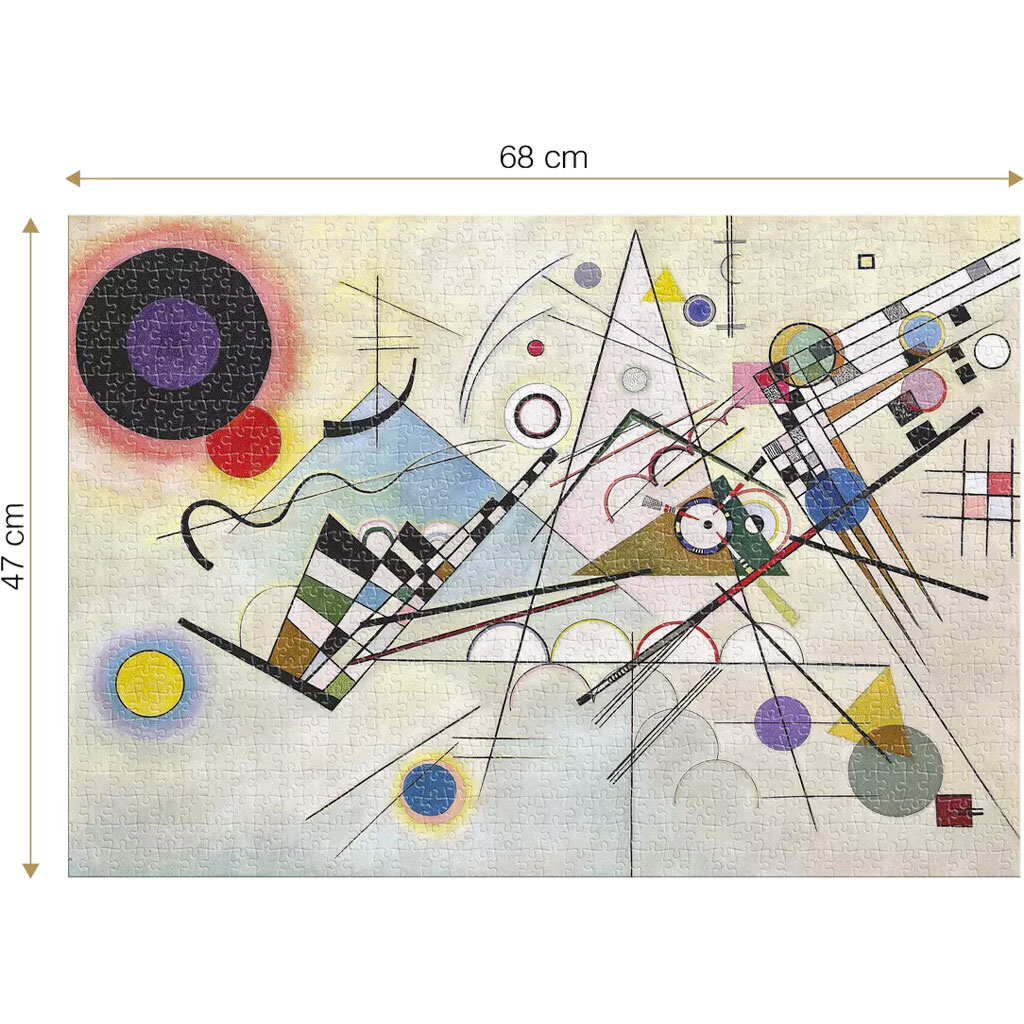
| Puzzle Dimensions | 68 cm x 47 cm |
| Box Dimensions | 38 cm x 26.5 cm x 5.5 cm |
| Art museum | |
| EAN | 594750287284905 |
5 reasons to choose our art puzzles





Home / Shop / Avant-garde art puzzle / Kandinsky, Composition VIII, 1,000-Piece Puzzle
24,90€
24,90€
Out of stock
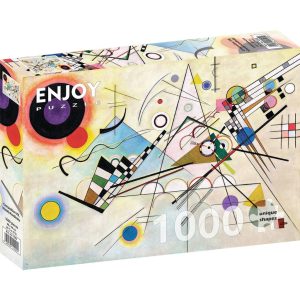
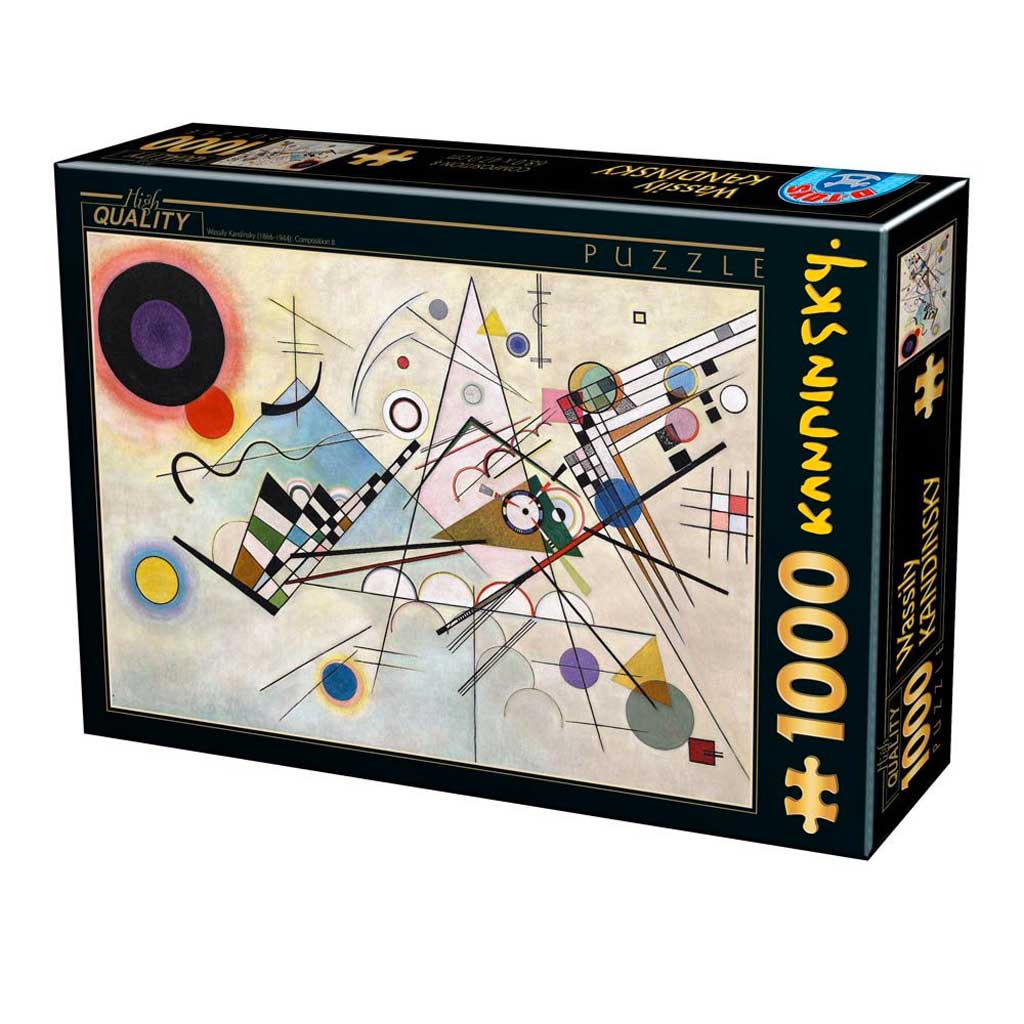
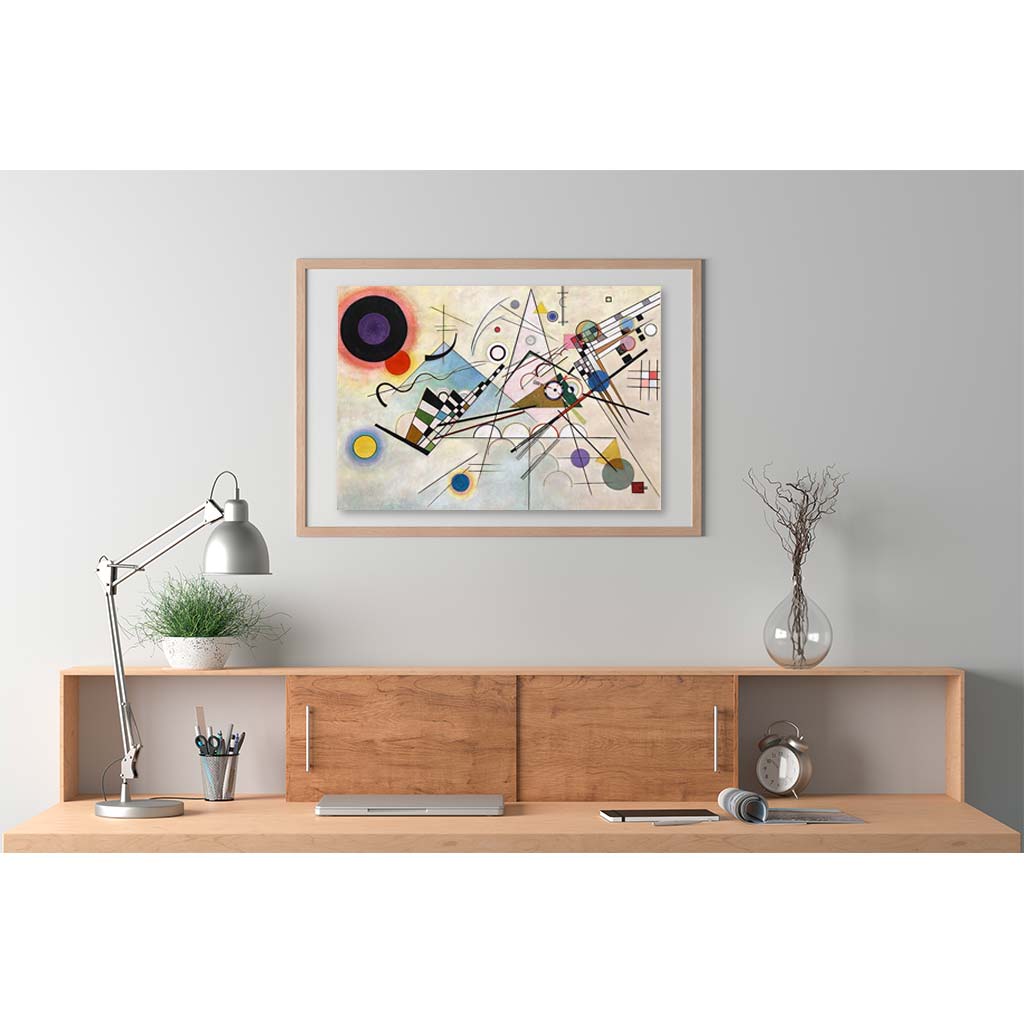
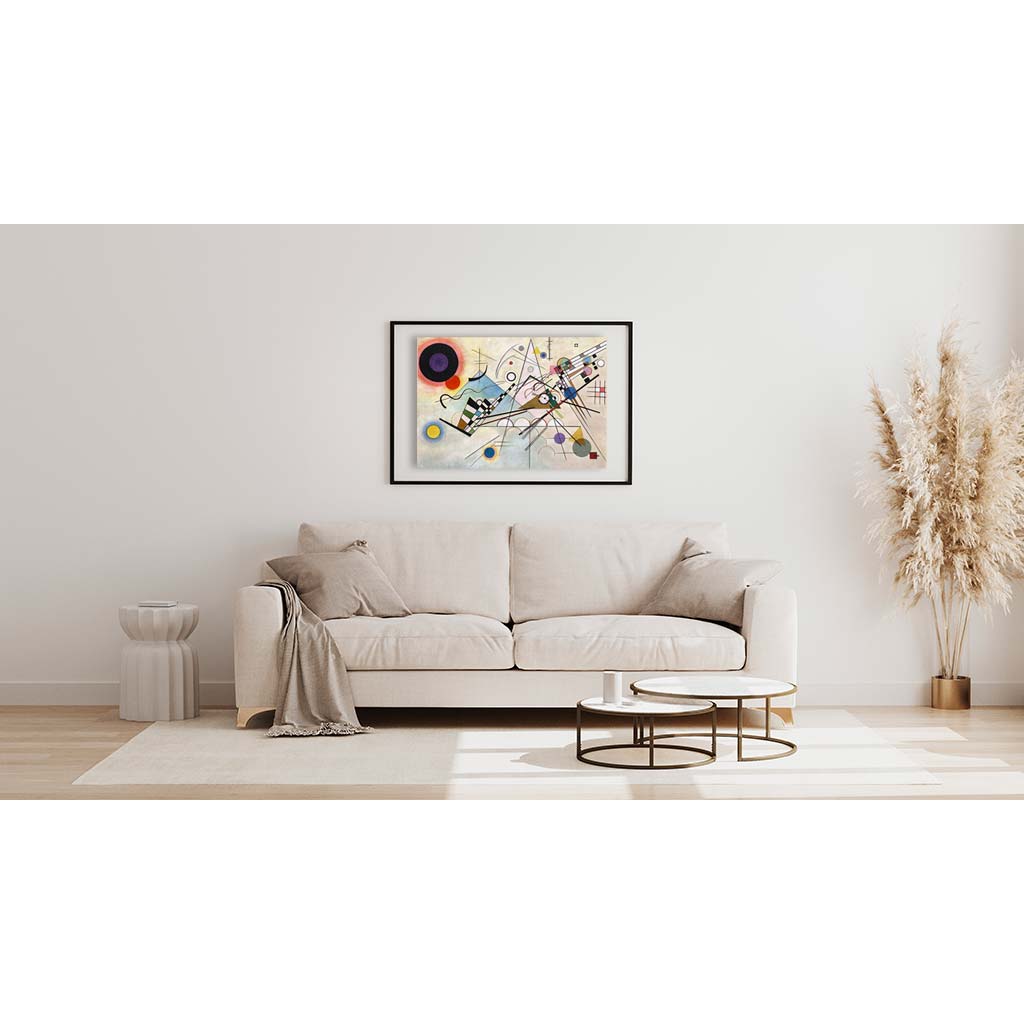
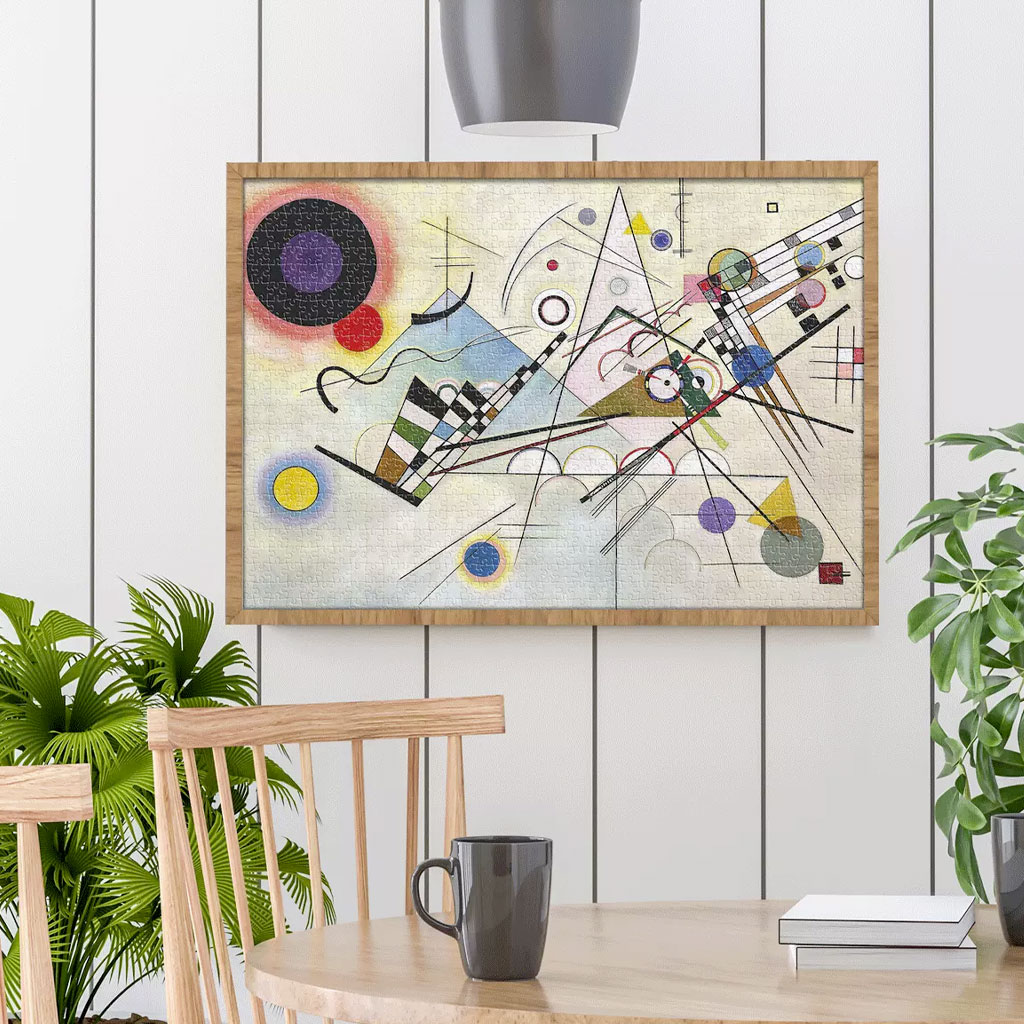
Piece by piece, reassemble the 1000-piece Kandinsky Composition VIII Puzzle from D-Toys.
We have chosen the Kandinsky puzzles to allow you to enter into the deep intimacy of a work of art, in its silent emotional cry and in the ecstasy of colour.
The Compositions obey not calculation and logic, but feeling. Indeed, these compositions by Kandinsky represented the culmination of his efforts to create a “pure” painting, with its harmony and disharmony, in the quest to evoke a work with the same emotional power as a musical composition.
This puzzle is currently out of stock.
In the meantime, discover some other art puzzles you might enjoy.
We chose the 1000-piece Kandinsky Composition VIII Puzzle from D-Toys to delve, piece by piece, into the beauty of Kandinsky’s paintings. In fact, we’ve chosen a perfect puzzle for creating the abstract works of the great 20th-century Russian painter.
Composition VIII is one of the paintings that best expresses the master of abstract art’s profound connection with the intimate relationship between color and emotion .
The 1000-piece Kandinsky Composition 8 puzzle from the D-Toys brand.
An exciting puzzle that will allow you to discover the abstract art of Vassil Kandinsky
The subject expresses all the vital force of the Russian master in the use of colors and his great ability to combine them as if they were musical notes creating real musical compositions in his paintings.
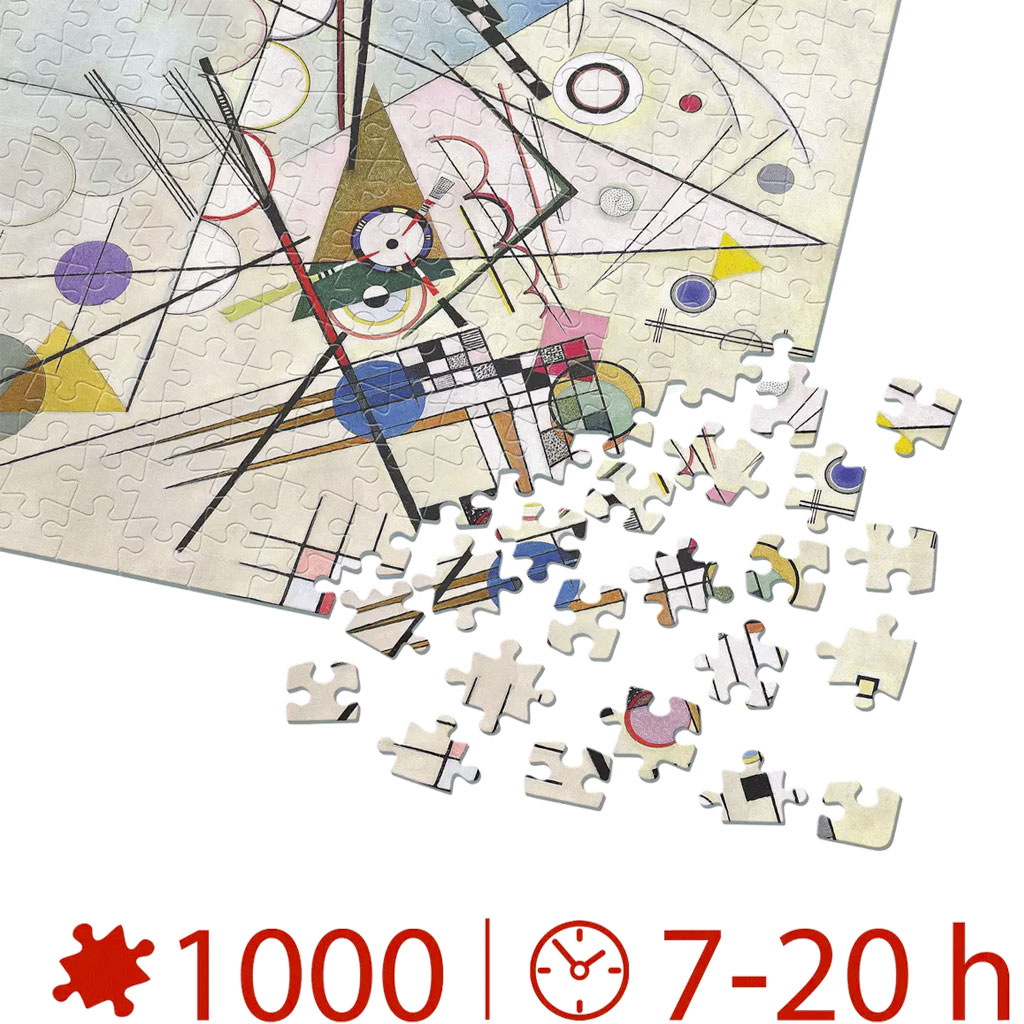
The image details are of excellent quality, as are the puzzle pieces, which are precisely cut and fit together perfectly. The edition we offer has a horizontal layout and is ideal for hanging in a dark wood or black frame that highlights the interior colors.
The puzzle is presented in a carefully crafted and well-finished package , making it perfect for any gift.
 | Number of pieces 1000 |  | Brand D-Toys |
 | Puzzle dimensions (cm) 48 x 68 |  | Box dimensions (cm) 38 x 26.5 x 5.5 |

Well finished box
Wonderful gift idea
Famous work of art
Great masterpiece
1000 pieces
Standard grid
Add Tooltip text here
Composition VIII Kandinsky offers an abstract contrast between calm and chaos, through shapes and lines.
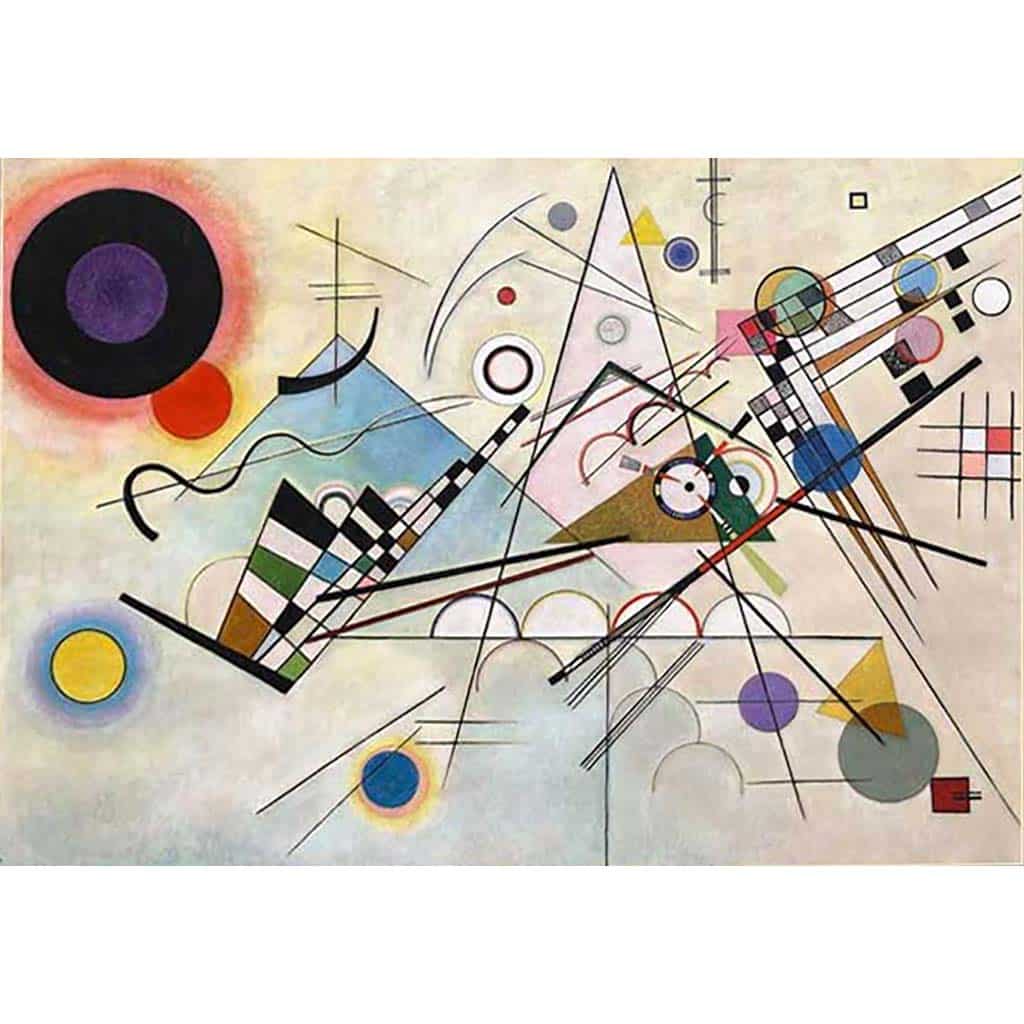
Composition VIII, created in 1923 by Russian artist Wassily Kandinsky, is an oil on canvas painting in the quintessential abstract style. The painting features a variety of geometric shapes, colors, straight and curved lines against a cream background that blends into areas of pale blue at certain points.
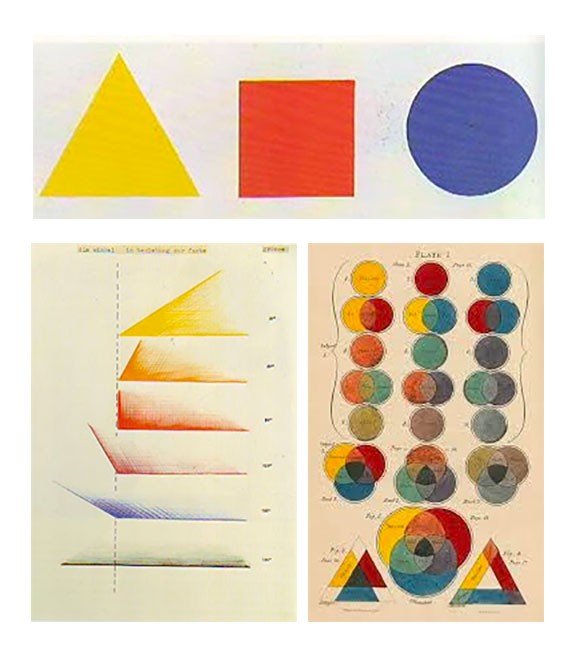
Indeed, the use of circles, grids, rectangles, semicircles, triangles, and other mathematical shapes in the artwork is consistent with the painter’s belief in the communicative properties of shapes and colors.
Instead, the colors in the work are chosen for their emotional impact.
The painting is currently exhibited at the Guggenheim Museum in New York.
Kandinsky, who had been fascinated by color since his early studies and considered it to possess exceptional communicative properties, wanted to explore, through color, an interrelationship between sound and painting that would allow a painter to produce a work of art similar to how a musician composes a song.
Kandinsky addresses the theme of the relationship with art through three groups of works, which in their names indicate the link between intention and art: impressions, improvisations and compositions.
In the concluding paragraph of “ The Spiritual in Art ”, a book written by Kandinsky, the artist had distinguished three stages of differentiation in the path of abstraction of his painting, characterised by what he himself calls “ different sources ”.
First, Impressions of “external nature“, the artist expresses himself through graphic pictorial form, calling these paintings “impressions.” Indeed, in these paintings, the tangibility of the subject is filtered through the artist’s subjectivity, creating an impression on the canvas.
The second, instead, are Expressions, mostly unconscious, mostly sudden, of mental events, and therefore impressions of the “inner nature.” He called these paintings “improvisations.”
They arise from sudden and unconscious events and are dynamic signs in which the objects are still distantly recognizable, yet clearly distinct from visible reality. His aim is to communicate inner and spiritual content, rooted in the use of color and affinities with music.
Finally, the third type of abstraction: expressions that have the same genesis, and which, after the first drafts, are examined and reworked at length.
Reason, awareness, intention and purpose are key here.
These “Compositions” do not obey calculation and logic, but feeling.
Kandinsky’s Compositions represented the culmination of his efforts to create a “pure” painting, with its harmony and disharmony in the search to provoke a work with the same emotional power that a musical composition offers.
When Kandinsky returned to his native Moscow after the outbreak of World War I, his abstract expressive style underwent changes that reflected the utopian artistic experiments of the Russian avant-garde. Indeed, the emphasis on geometric forms inspired Kandinsky to expand his pictorial vocabulary.
In 1922, Kandinsky joined the faculty of the Bauhaus in Weimar, where he discovered a more fertile environment in which to pursue his art. Initially based on a Germanic and expressionist approach to artistic creation, he deepened his investigations into the correspondence between colors and shapes and their psychological and spiritual effects.
Indeed, in Kandinsky’s Composition VIII, the colorful, interactive geometric shapes create a pulsating surface that is alternately dynamic and calm, aggressive and tranquil. The prominence of circles in this painting foreshadows the dominant role they would play in many later works.
Congratulations!
You have a passion for art!
You have made it this far, so here is a treat!
Get 10% off your next masterpiece! ✨
Reviews
There are no reviews yet.