Additional information

Number of pieces

Brand

Atmosphere

Artist

Opportunity

art museum

Difficult

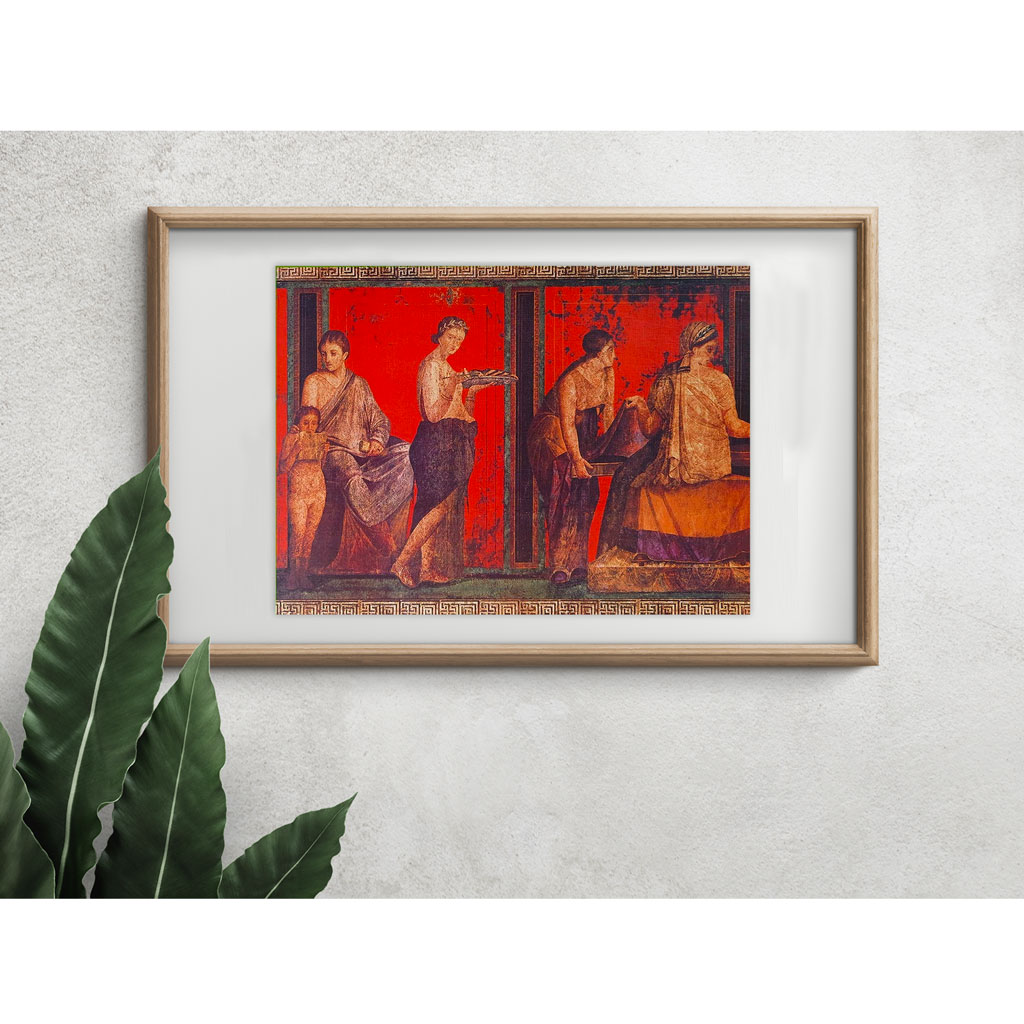
Puzzle Dimensions

85 cm x 58 cm

Box Dimensions

31 cm x 24 cm x 6.5 cm

EAN

8026311016402

5 motivi per acquistare i nostri puzzle d'arte

Puzzle Ricercati Puzzle Arte

Puzzle d’arte rari e ricercati

Spedizione Gratuita Puzzlearte

Spedizione gratuita sopra i 50€

Consulenza Puzzlearte

Consulenza e assistenza da veri esperti

Progetti Rimboschimento Puzzlearte

Progetti di rimboschimento

Bambini Puzzlearte

Progetti educativi per i più piccoli

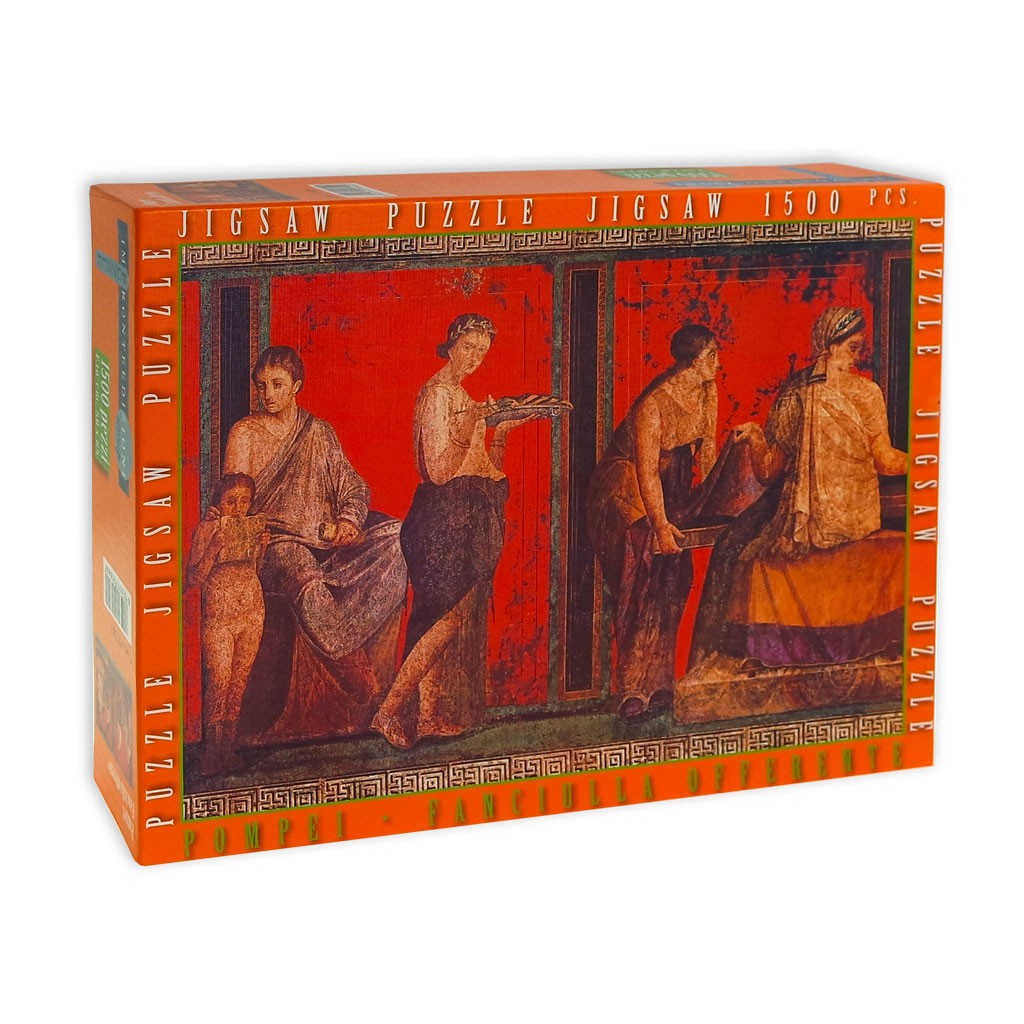
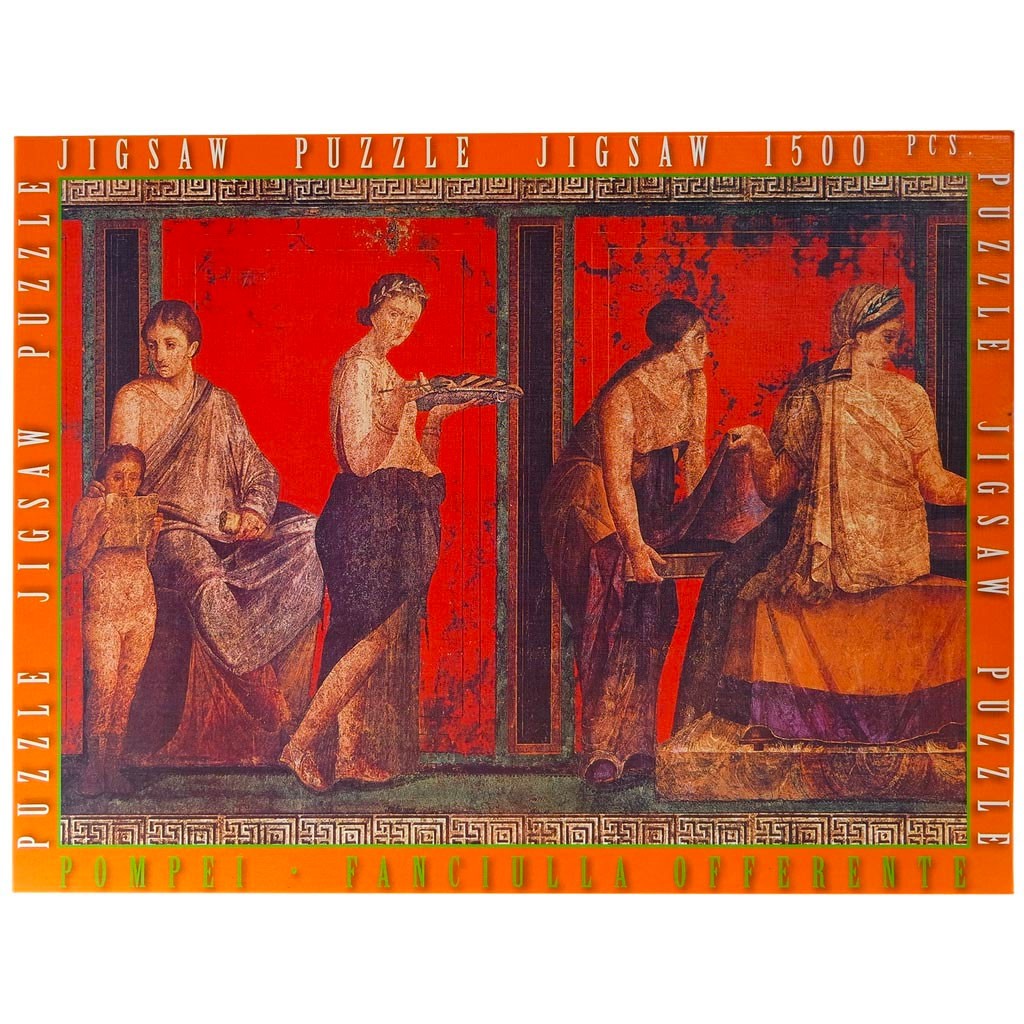
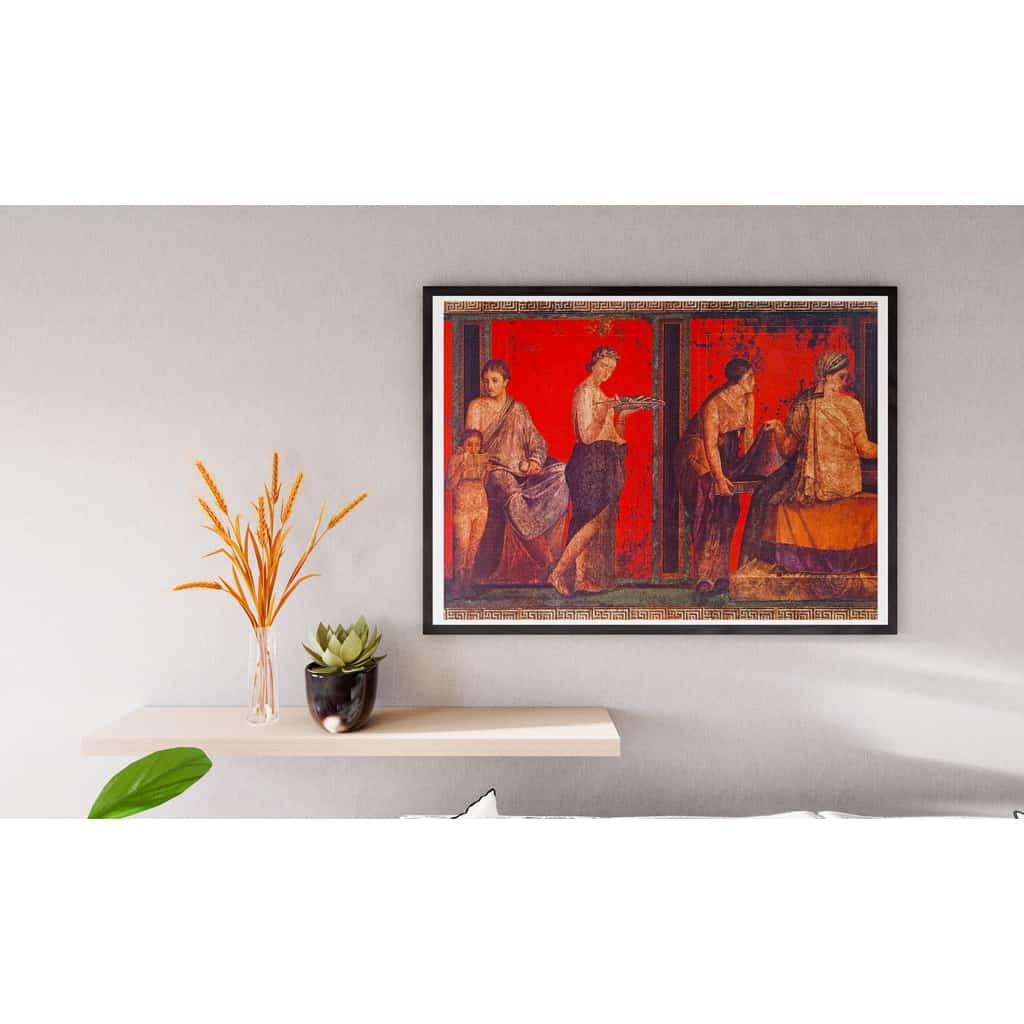
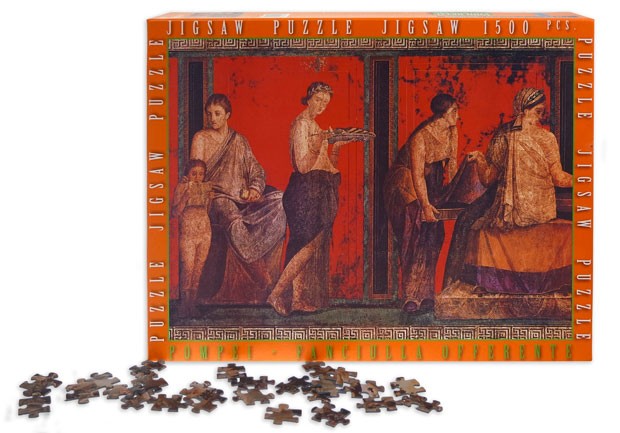
Puzzle The Offering Girl – Pompeii

(0 customer reviews)
Novità!

25,00

25,00

Out of stock

Travel back in time nearly 2,000 years and relive the daily life of Pompeii before the eruption of Vesuvius in 79 AD that buried the city. Reconstruct the lives of ancient Romans piece by piece with this fantastic 1,500-piece puzzle from Impronte Edizioni.

Questo puzzle è momentaneamente esaurito.

Nel frattempo, ti suggeriamo alcuni puzzle d’arte che potrebbero piacerti!

Altri puzzle della stessa marca

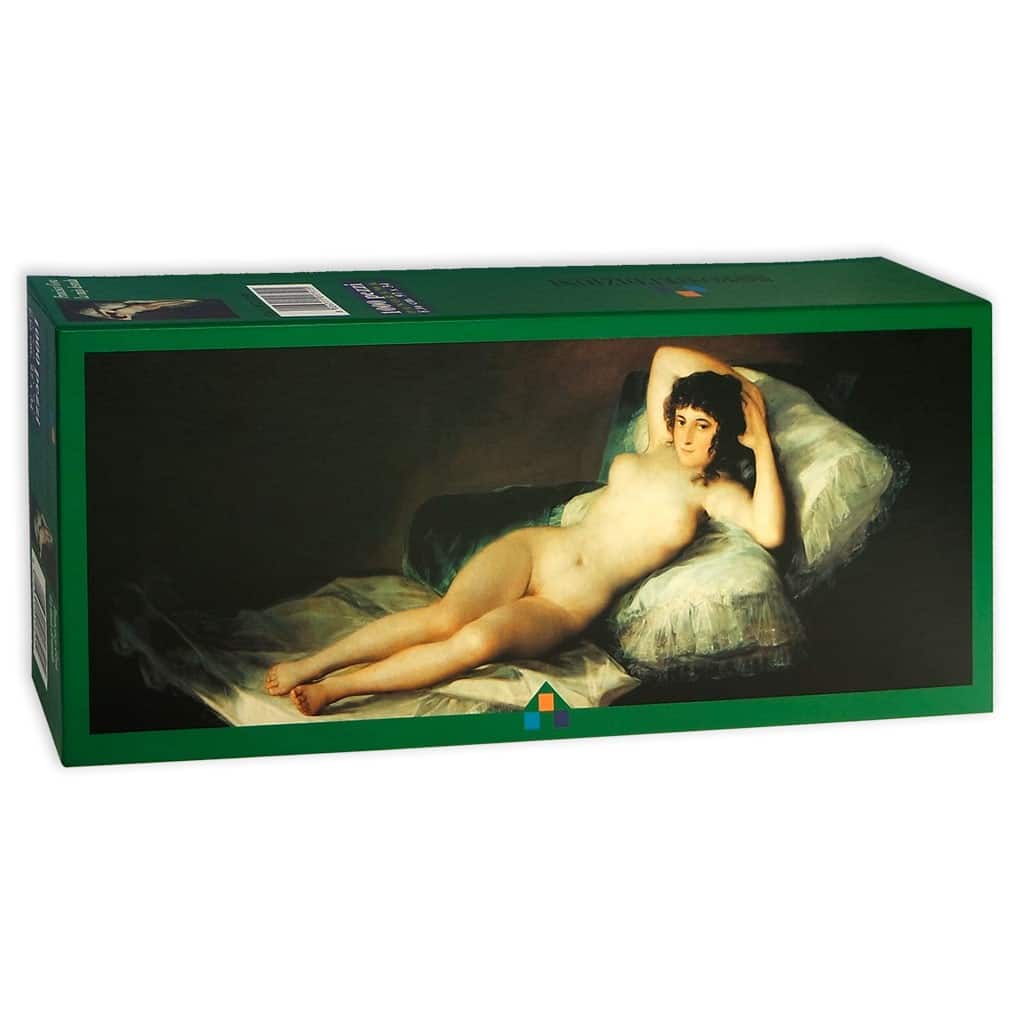
La Maya Desnuda Goya Puzzle Scatola Fronte
Puzzle la maya desnuda – Goya
25,00
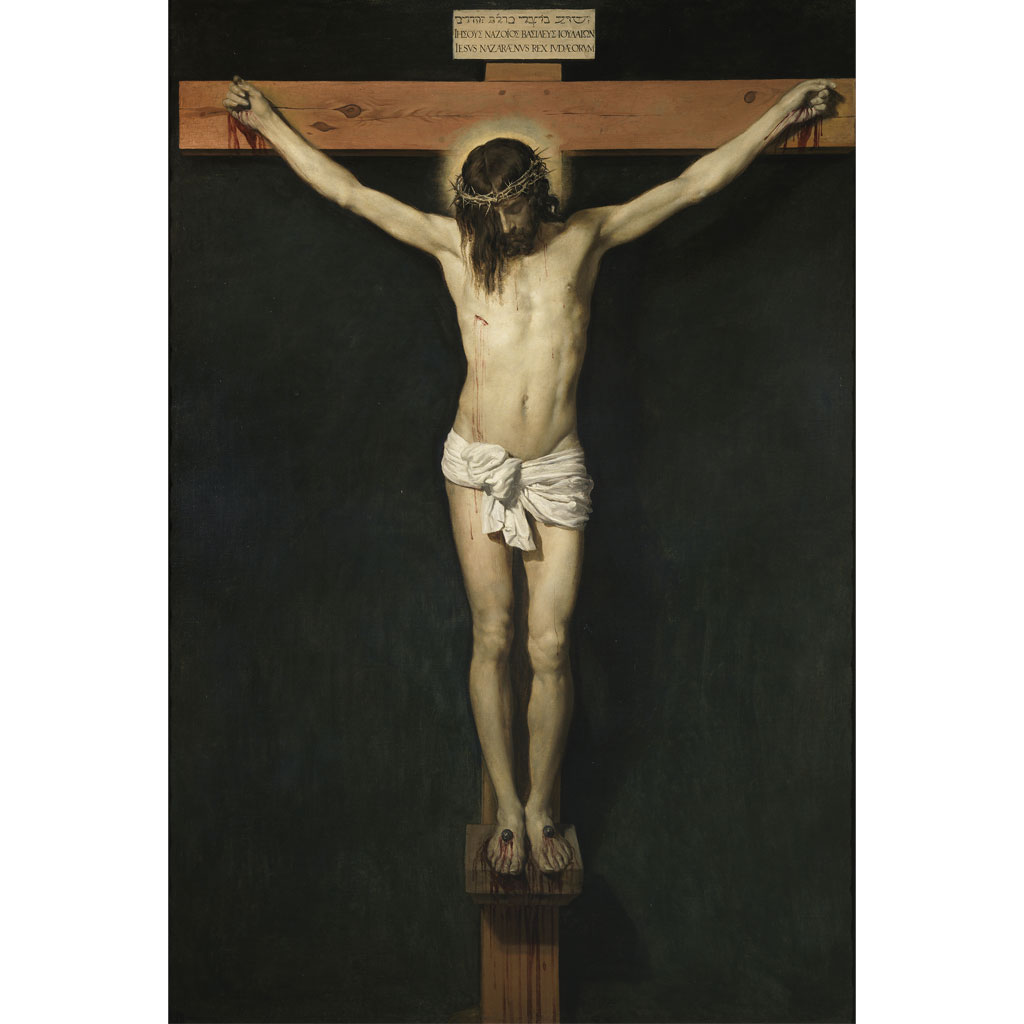
Crocifisso Velasquez
Velasquez Crucifix – 1000-piece puzzle
25,00
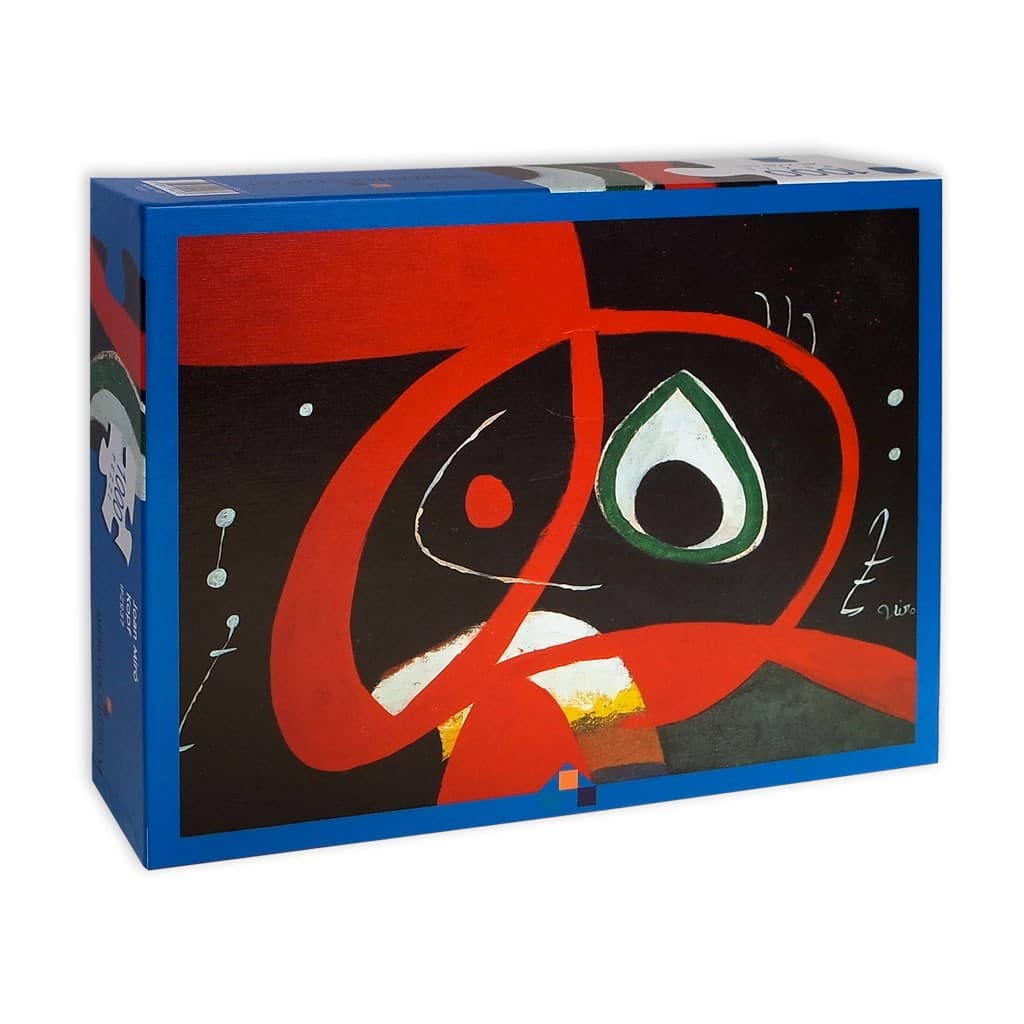
Puzzle Kopf Miro Scatola Fronte
Puzzle Head – Mirò
22,90€ Original price was: 22,90€.15,00€Current price is: 15,00€.

Puzzle Features

The Offering Girl puzzle is a wonderful way to discover the wonders of classical Roman art and painting.

In fact, thanks to the detailed study of the fresco of the Villa of the Mysteries in Pompeii , of which the subject of the puzzle, the offering girl, is a part, scholars have been able to define not only the guiding lines of Roman art, but through the careful symbolic analysis of the scenes they have been able to trace the probable habits and customs of the Roman pagan rites and “mysteries”.

The Pompeii Puzzle in Detail

The 1500-piece Impronte Edizioni puzzle The Offering Girl is a splendid example of a classical art puzzle.
The subject is very rare and particular and depicts one of the most beautiful scenes of Pompeian art.

The colors of the puzzle are very bright and the details are extremely accurate and refined. The puzzle pieces are thin but sturdy and fit together perfectly.

Number of Puzzle PiecesNumber of pieces
1500
Puzzle BrandsBrand
Footprints
Editions
Puzzle DimensionsPuzzle dimensions (cm)
85 x 58
Puzzle Box DimensionsBox dimensions (cm)
31 x 24 x 6.5

Well finished box
Wonderful gift idea

Rare work of art
Classical art

1500 pieces
Standard grid

Description of the artwork

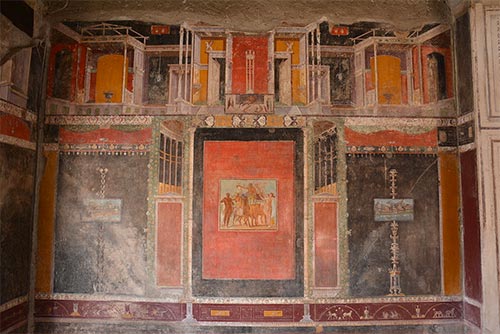
The frescoes in the triclinium of the Villa of the Mysteries, the most universally known, are the most spectacular example of the second Roman pictorial style.
This splendid example of Pompeian art is composed of a few architectural elements in perspective which represent, with numerous monumental life-size figures, a rite of initiation into the Dionysian mysteries (hence the name by which the villa is known).

The characters depicted, partly real , partly mythological , are gathered in groups arranged against the red of the panels, between the pilasters.

While a boy reads the procedures to be followed, a young girl carrying a tray of offerings moves toward a group of women engaged in a water purification rite (lustration). Silenus, Dionysus’s teacher, plays the lyre in a pastoral scene featuring a satyr and a panisca (mythical woodland dwellers and followers of the god Pan), while a woman is terrified at the sight of the flogging depicted on the opposite wall.

In the next scene we find Silenus again offering a drink to a satyr and attending the wedding of Dionysus and Ariadne, while a winged demon is ready to strike with his rod a young woman who is undergoing the initiation rite.

The kneeling girl is greeted by a seated woman who hides or caresses her head, while a bacchante dances. The ritual takes place under the direction of the lady of the house, perhaps a priestess of Dionysus, or perhaps an initiate, depicted seated.

Without a doubt, the most touching figure is that of the terrified woman, depicted with her left hand outstretched towards the horrifying scene, her legs in the act of moving and the broad gesture of her right arm raised as she brings her cloak to hide her face.
The action is so abrupt and immediate that the cloak swells, welcoming the woman’s torso as if in a niche.


Pompeii: the treasure of Roman painting

For Roman painting we will have to refer not only to those examples, not many in truth, preserved in Rome and other places, but above all to the very numerous ones in Pompeii and Herculaneum, the two Roman cities in Campania whose life stopped following an eruption of Vesuvius that buried them on 24 August 79 AD.

The ash and lava mud that, within a few hours, had uniformly covered much of the Vesuvian coast, preserved intact the structures, furnishings and decorations of those cities, while the works of art of centers such as Rome and others, which were never abandoned, suffered great destruction, tampering and transformation over the following centuries.

The first type of painting Rome produced was triumphal, intended to illustrate the victorious deeds of its leaders. These paintings have not survived, just as the panel paintings, which the city amassed, especially after the conquest of Greece, are also irretrievably lost.

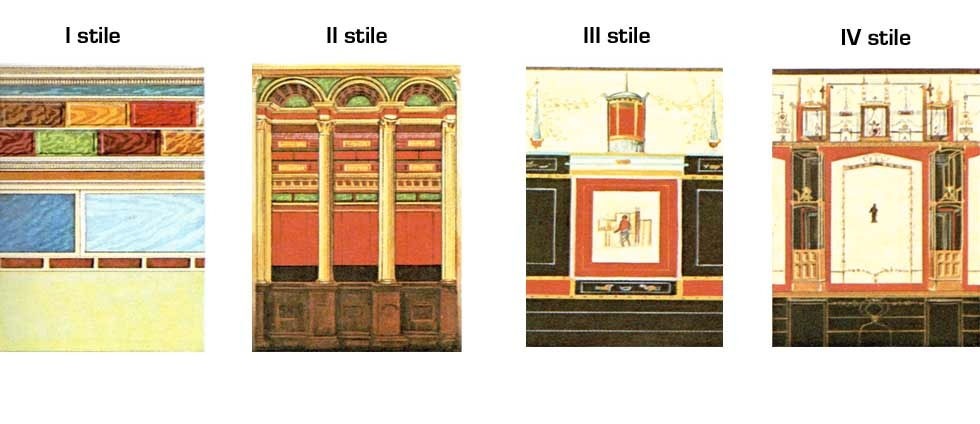
We usually distinguish Roman and Pompeian wall painting into four styles . The term “style” is inappropriate because, in the case of Roman painting, it simply refers to different types or schemes of decoration adopted from time to time over the years.

Pompeii: the treasure of Roman painting

The first style can be dated from 150 BC to 80 BC . It is also known as the structural or incrustation style and tended to reproduce the opus quadratum wall covering, with slabs of worked stone. The slabs were simulated by modeling stucco, which was then colored. This is a very common type of decoration in the Mediterranean area and was initially used in modest homes precisely to avoid the high cost of precious marbles, which were instead used in the homes of the rich and powerful. Later, however, modeling the plaster was abandoned because painting alone could imitate, creating a perfect illusion, a projecting slab.

The main characteristic of paintings in the first style are composed of three basic areas:

  • a first band on the upper level decorated with protruding stucco frames.
  • a band in the middle painted with the predominant colours red and black, but also variable in shades, such as purple, yellow-green, and systems that imitated marble, granite or alabaster.
  • a hoof usually yellow in color.

The first style derives from a profound Hellenistic inspiration: examples can be admired in Delos and other Greek cities. In the Vesuvian area, particularly in Pompeii, this technique is present in the Basilica, the Temple of Jupiter, the House of the Faun, and the House of Sallust. In Herculaneum, traces of it can be found in the Casa Samnitica.

The second style

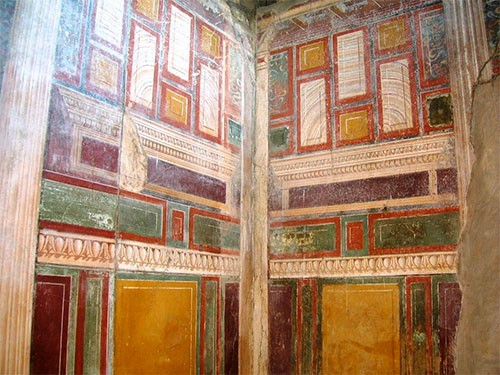
The second style, also known as perspective architecture (second half of the 1st century BC–1st century AD), simulates architectural features on the walls: parapets, columns, pilasters, and architraves delineate spaces in which figures are painted or allow glimpses of further architectural spaces. There is almost always a lower plinth with first-style incrustations. A further characteristic of this type of decoration is that the architecture (of the Hellenistic type) is always believable; that is, there is nothing fanciful, disproportionate, or impossible to achieve.

The main difference between this type of painting and that of the First Style is the creation of frames and friezes with plant shoots through painting, rather than stucco. Compared to the First Style, the innovation lies in the effect of elegant perspective, with the illusion of podiums and false colonnades, aedicules, and doors in the foreground, through which perspective views opened.

During this period, it was fashionable to paint still lifes of game garnished with vegetables and fruit; this trend was driven by the custom of sending gifts to friends, mostly consisting of various foodstuffs. The earliest example of Second Style painting is found in Rome in the House of the Griffins on the Palatine, dating between 120 and 90 BC. In Pompeii, it is found in the splendid Villa of the Mysteries and in the houses of Obellius Firmus, the Labyrinth, the Silver Wedding, and the Cryptoporticus. Today, some examples of this elegant period are preserved in several museums, such as the Metropolitan Museum in New York and the National Archaeological Museum in Naples.

The third style

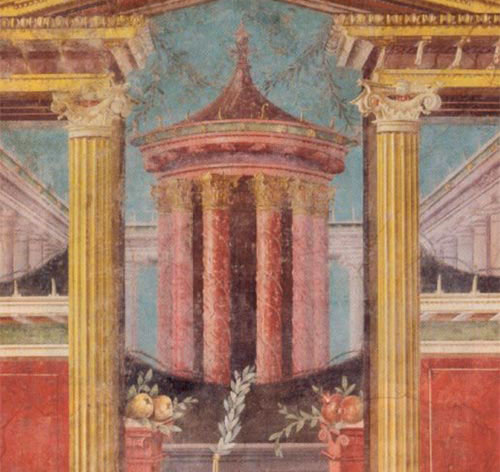
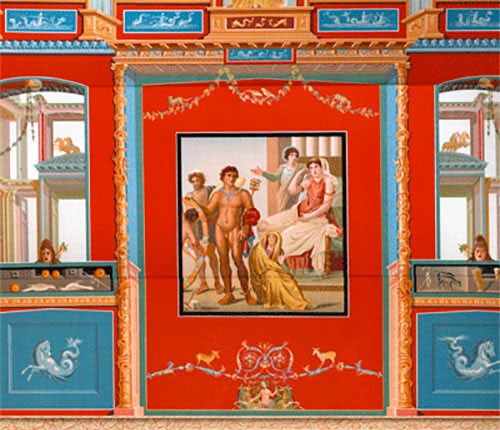
The third style, also known as the Royal Wall style (late 1st century BC–ca. 60 AD), is purely ornamental. The architecture resembles delicate toys: slender columns support improbable plant-like pediments, while bows, ribbons, and naturalistic elements are used profusely. Further, sophisticated architectural elements of impossible balance are superimposed on very thin walls, and, as Vitruvius writes, there is no shortage of vines supporting half-statues, some with human heads, others animal heads.

The tablinum of the House of Marcus Lucretius Fronto in Pompeii houses a refined example of this type of painting. The frescoes of the Villa della Farnesina – now in the Museum of

Most of the small scenes that adorned the walls painted in this third style are executed using the so-called compendiaria, or summary, technique. These consist of a few highlighted brushstrokes (with touches of white that provide light), which don’t focus on details but instead convey an immediate idea of ​​what is being depicted.

The Fourth Style

The fourth style, or fantastic or illusionistic perspective style (second half of the 1st century AD), uses architectural perspectives and decorations of the type of the third style, but in a completely imaginative manner.

Furthermore, the architecture is extremely theatrical: the perspective is virtuosic, the views are increasingly difficult to paint, the decoration is excessive.

In this way the walls of the rooms are artificially expanded to infinity.

The most accomplished example of this style is in the House of the Vettii in Pompeii, and clearly shows its influence from the Third Style. Indeed, the mythological paintings on the lower half of the walls are the same as those in the Third Style, yet the main architectural ornamentation is overflowing with decorative details.

Furthermore, the boldly perspective architectures are scenographic glimpses, but they lack any static consistency. Indeed, framed as if by open windows, which overlap and multiply, they add an allusive plurality of spaces to the entire environment.

Reviews

There are no reviews yet.

Show reviews in all languages (4)

Be the first to review “Puzzle The Offering Girl – Pompeii”

Your email address will not be published. Required fields are marked *

Complimenti!

hai una vera passione per l'arte!

Visto che sei arrivato fino a qui, meriti un premio!
Ecco uno sconto del 10% per il tuo prossimo capolavoro! ✨

Cosa se ne pensi di questi puzzle d'arte simili...

Novità!

25,00

Novità!

25,00

Hot Hot

29,90

49,90