
Home / Fauvism
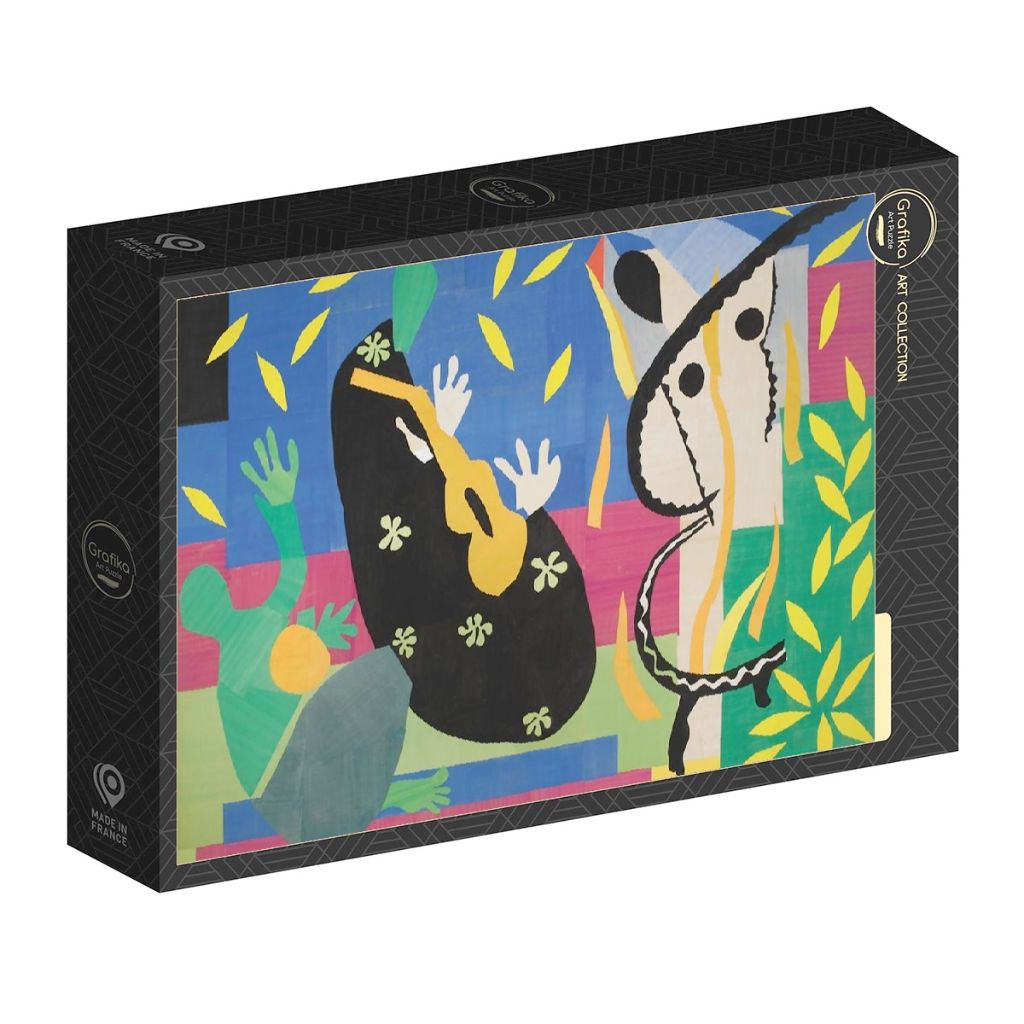
Fauvism was a revolutionary artistic movement that reached its peak between 1905 and 1910, characterized by the bold and non-naturalistic use of color, the pronounced simplification of forms, and an expressive approach that favored instinct and emotion rather than fidelity to visible reality.
The term Fauvism derives from the French word fauve, which means “wild beast“, and was coined by the art critic Louis Vauxcelles to describe the works exhibited at the Salon d’Automne of 1905. This nickname referred to the “wild” character of the colors used by the Fauvist artists, which seemed almost to shout on the canvas with pure and vibrant tones.
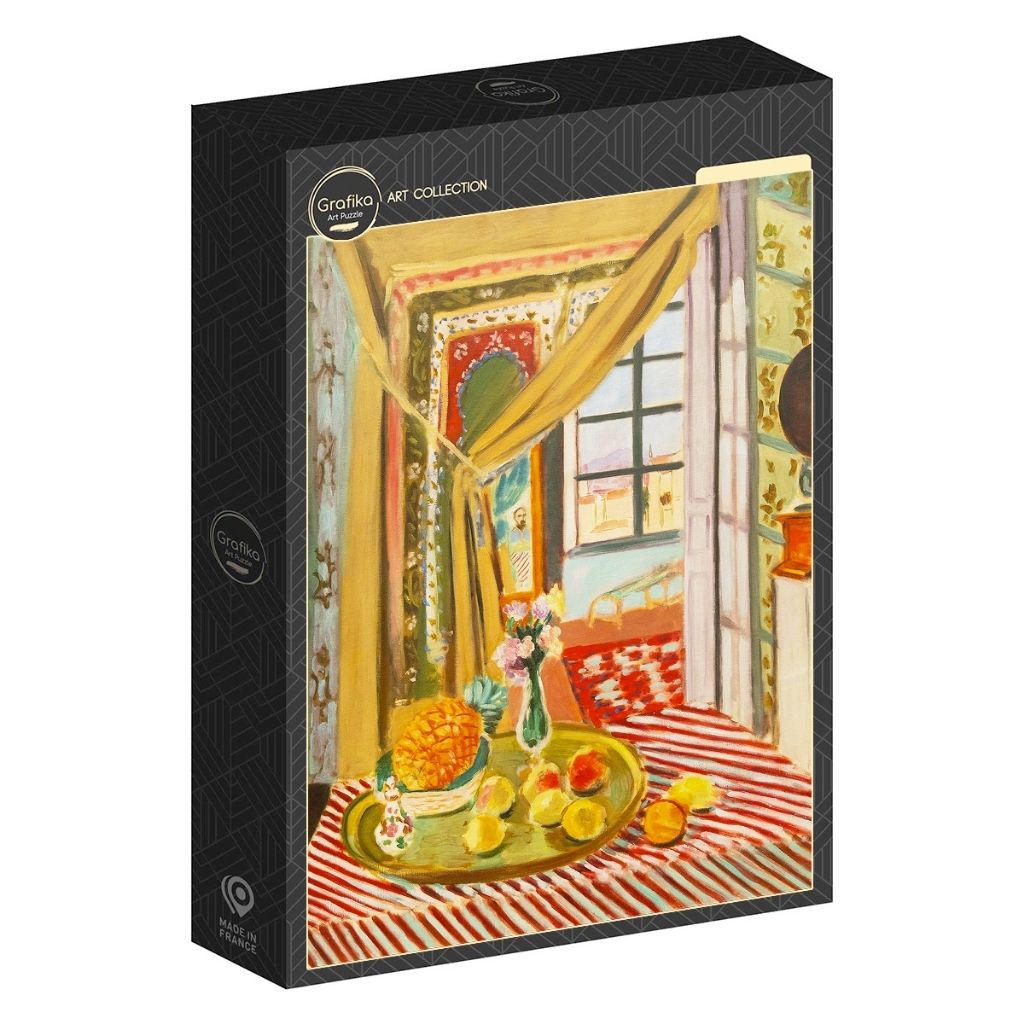
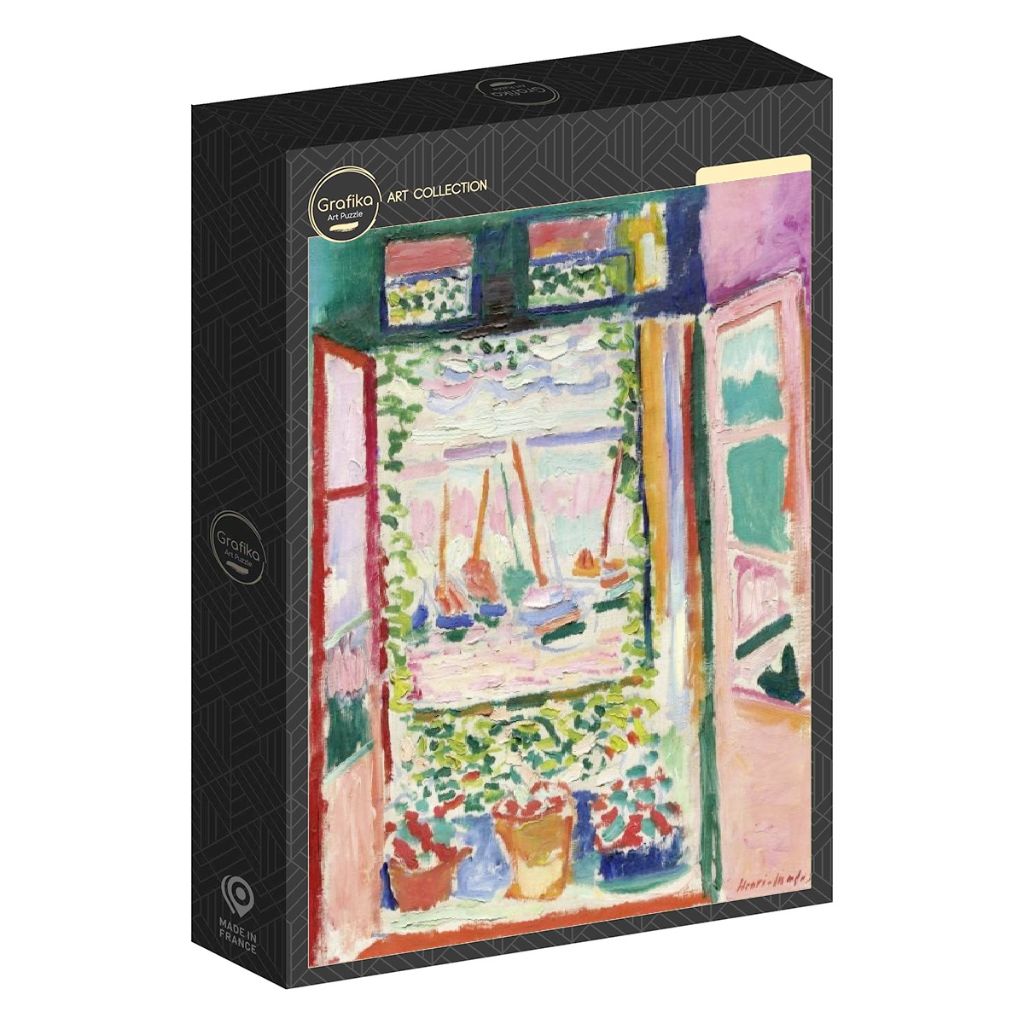
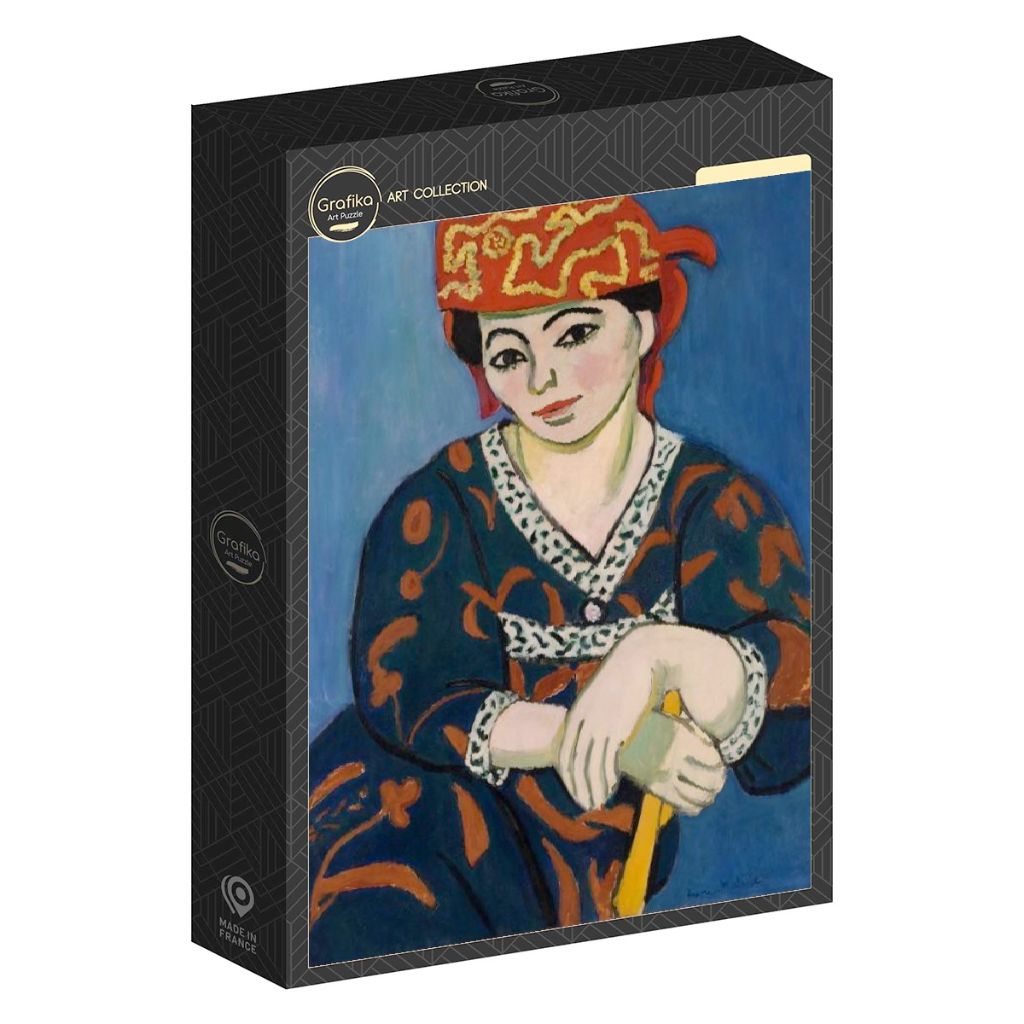
Fauvism stands out for several fundamental characteristics:
Revolutionary use of color: Fauvist artists applied color in a pure and unmixed way, often directly from the tube, avoiding shading and chiaroscuro. Color did not have to faithfully represent reality, but rather express emotions and states of mind.
Simplification of forms: compositions were characterized by clear and decisive outlines, with a reduction of figurative elements to their essential traits.
Dynamism and spontaneity: the Fauves painted with quick and decisive brushstrokes, emphasizing the pictorial gesture and immediate expressiveness.
Absence of traditional perspective: many Fauvist works challenge the perspective conventions of classical painting, favoring a two-dimensional representation in which space is flattened.
Influence of primitive art and non-Western art: Fauvist artists, like many of their contemporaries, were inspired by African masks and Japanese art for their formal synthesis and strong visual impact.
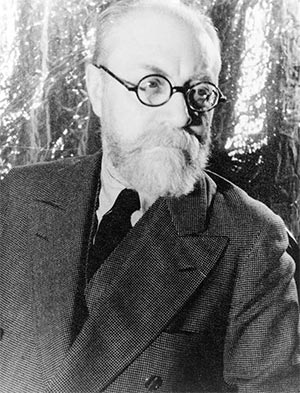
Henri Matisse (1869-1954)
Henri Matisse is considered the leader of the Fauvist movement and one of the greatest artists of the 20th century. His works stand out for their extraordinary mastery of color and the balance between simple forms and vibrant tones. One of his most famous paintings, La joie de vivre (1905-1906), represents stylized human figures immersed in an idyllic landscape, with a palette of bright and luminous colors. Another iconic work is Woman with a Hat (1905), which caused a scandal because of its exaggerated use of unrealistic tones.
André Derain (1880-1954)
André Derain, co-founder of Fauvism together with Matisse, developed a pictorial language that combined a strong chromatic impact with a simplification of forms. London, Westminster Bridge (1906) is an example of his style, in which the Thames and London architecture are represented with intense and unreal colors.
After the Fauvist period, Derain moved closer to a more classical style, but his influence on modern painting remained significant.
Although Fauvism was a short-lived movement, its impact on modern art was enormous.
Fauvist artists paved the way for new expressive explorations, freeing color from its descriptive role and giving it an autonomy that would influence later movements such as Expressionism, Abstract Art and Color Field Painting.
Henri Matisse, in particular, continued to explore the potential of color and form throughout his career, eventually creating the famous “gouaches découpées” (collages with cut colored paper) in the 1940s and 1950s.
Even though Fauvism did not have an official manifesto, its artistic philosophy embodied the search for a free, intuitive and instinctive painting, which placed the artist’s emotion and the joy of creation at its center.