

Home / Expressionism
Expressionism emerged in the early 20th century in Germany as a reaction to the coldness of realism and the rationality of Impressionism. The term comes from the verb “to express,” because this movement aims to represent emotions, fears, and states of mind rather than objective reality.
Two important groups contributed to the spread of expressionist art:
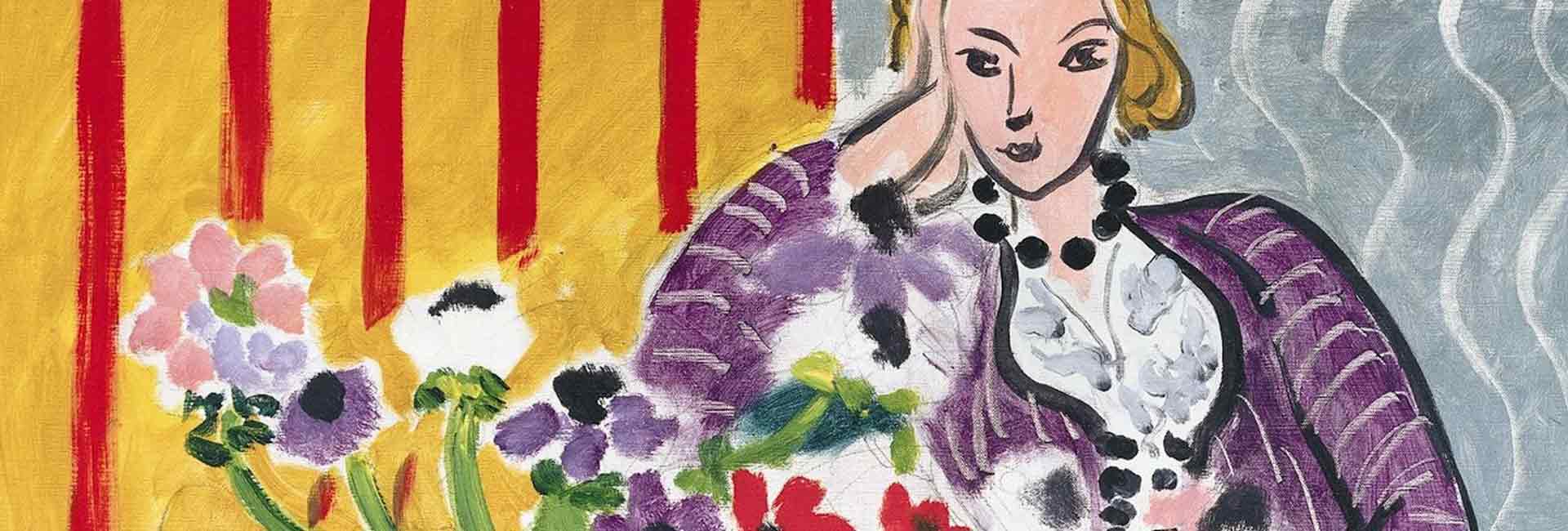
Expressionist art is distinguished by the use of bright and unnatural colors, broken lines, and stylized figures. Landscapes, faces, and everyday scenes are distorted to convey anxiety, pain, joy, or unease.
Expressionist subjects do not attempt to depict the external world but rather what lies within the human being. The works thus become mirrors of emotions and the tensions of society at the time.
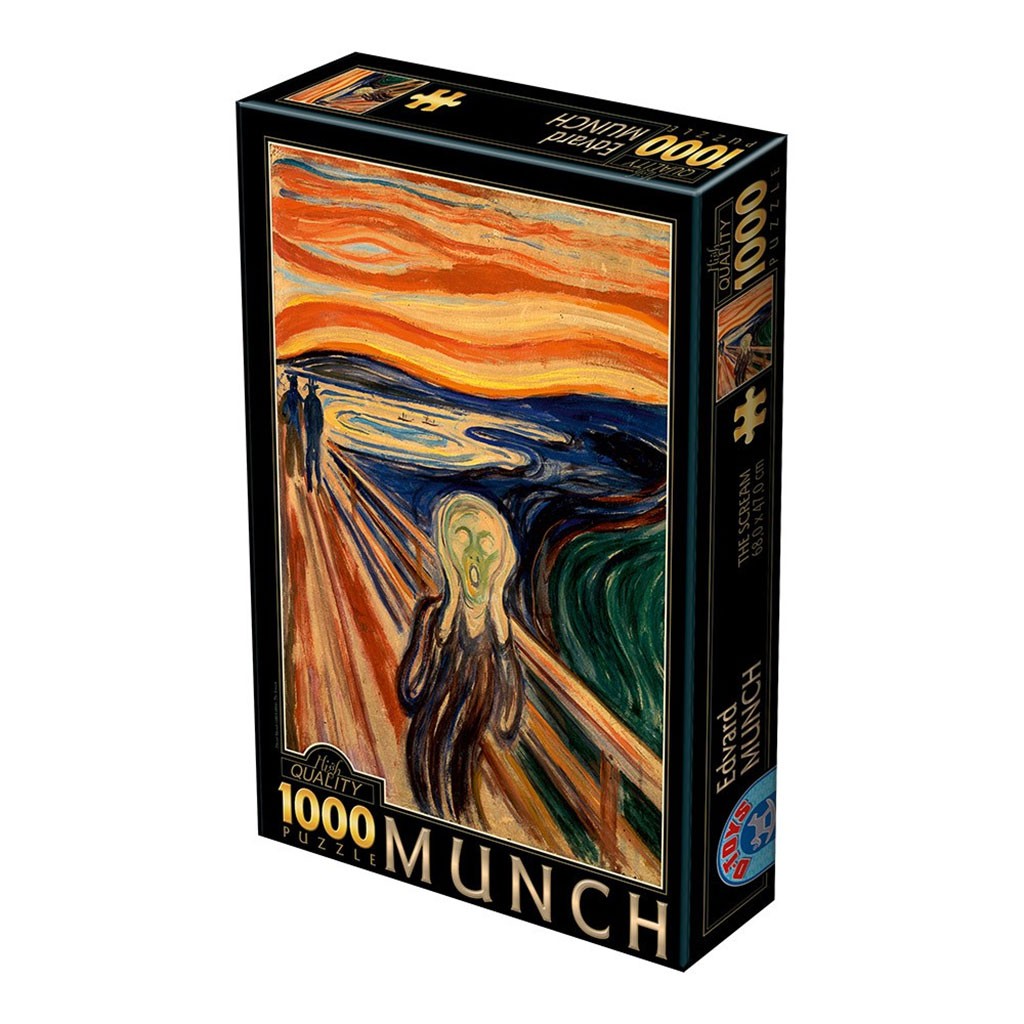
Recreating an expressionist artwork in a puzzle means experiencing an intense and engaging journey. Every piece, every color, every shape contributes to reconstructing an emotion, transforming playtime into a true voyage through art.
In our Puzzle Arte catalog, you will find puzzles inspired by Expressionist art, designed for those who love strong colors and deep emotions. Puzzles that are not just a pastime, but an opportunity to explore inner life through art.