
 Hot
Hot
Home / Cubism
Born in the early 1900s in Paris, Cubism was primarily founded by Pablo Picasso and Georges Braque. The term was coined critically by Louis Vauxcelles in 1908, when he described the fragmented and geometric forms of Braque’s works as “cubiche.”
Cubist art developed in two main phases:
Cubist art breaks with Renaissance perspective tradition and represents objects and figures from multiple viewpoints simultaneously. Shapes are simplified into cubes, cylinders, and geometric planes, creating works that invite the viewer to mentally reconstruct the image.
Moreover, Cubist subjects, whether still lifes, portraits, or landscapes, are no longer represented from a single viewpoint. The artist shows all sides of an object at the same time, creating a dynamic and innovative vision.
Today, cubist art continues to inspire designers, illustrators, and contemporary art enthusiasts.
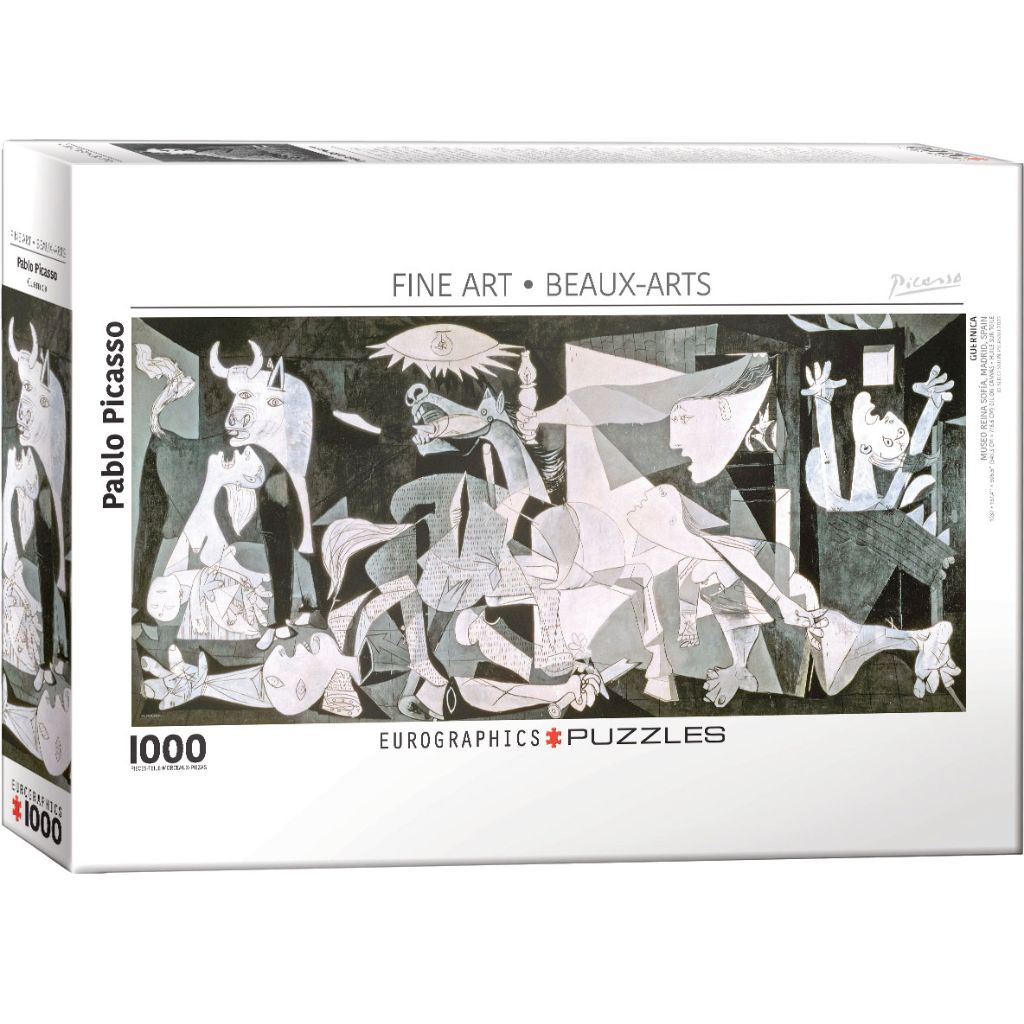
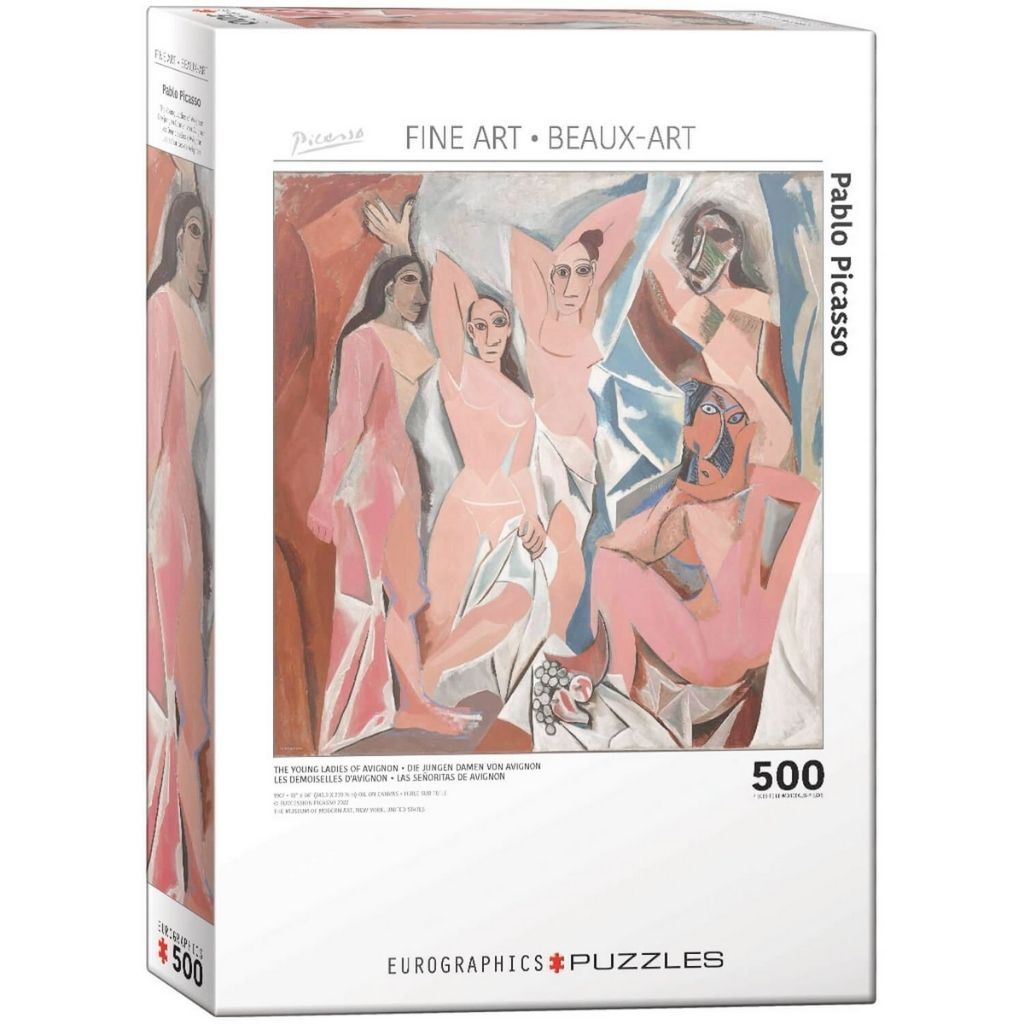
Cubist-themed puzzles provide an original and engaging way to explore this movement. Reconstructing the fragmented forms and multiple perspectives typical of Cubism is a creative experience that stimulates the mind and offers a moment of relaxation.
At Puzzle Arte, you can find puzzles celebrating Cubist art with modern and sustainable designs.
Choose your favorite and bring home a piece of art history to build with your own hands.