
 Hot
Hot
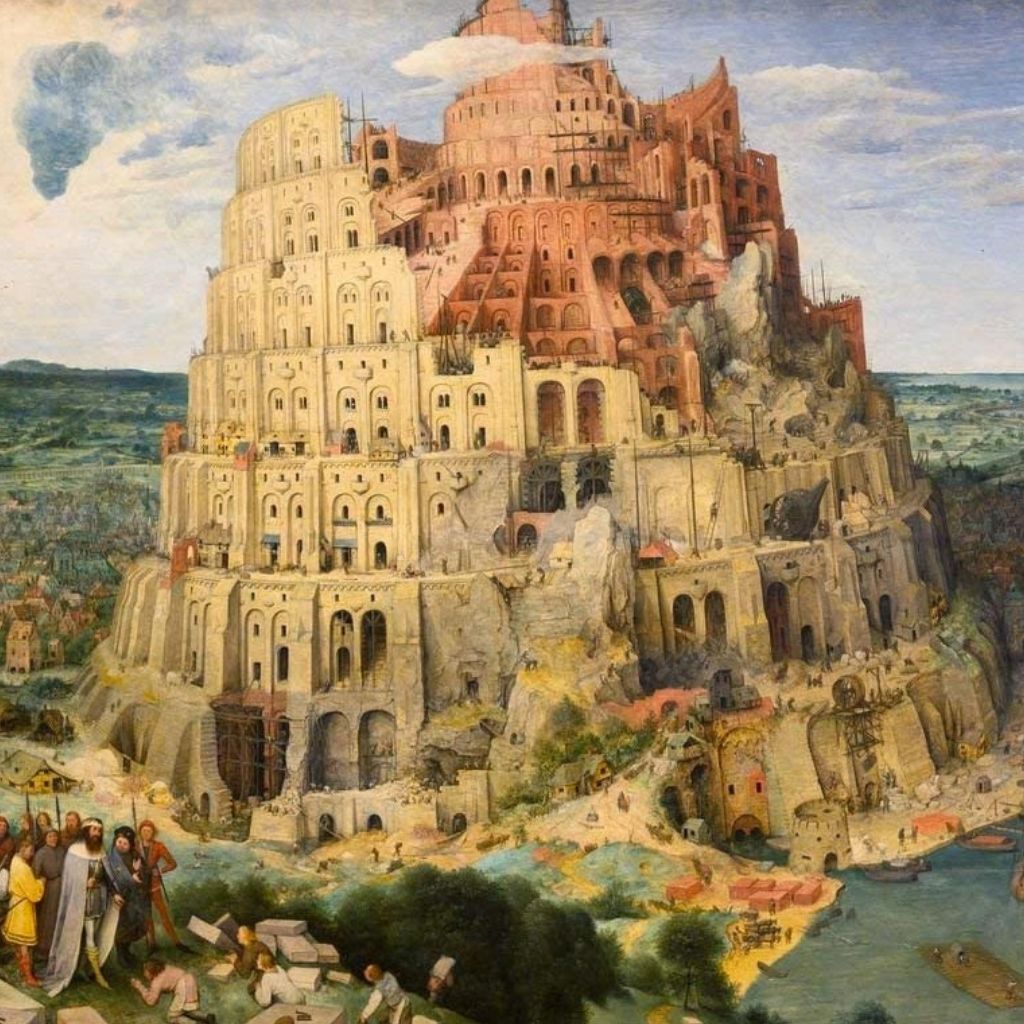
Bruegel’s Tower of Babel Puzzle
Price range: 25,00€ through 45,00€
Select options
This product has multiple variants. The options may be chosen on the product page
Home / Art nouveau
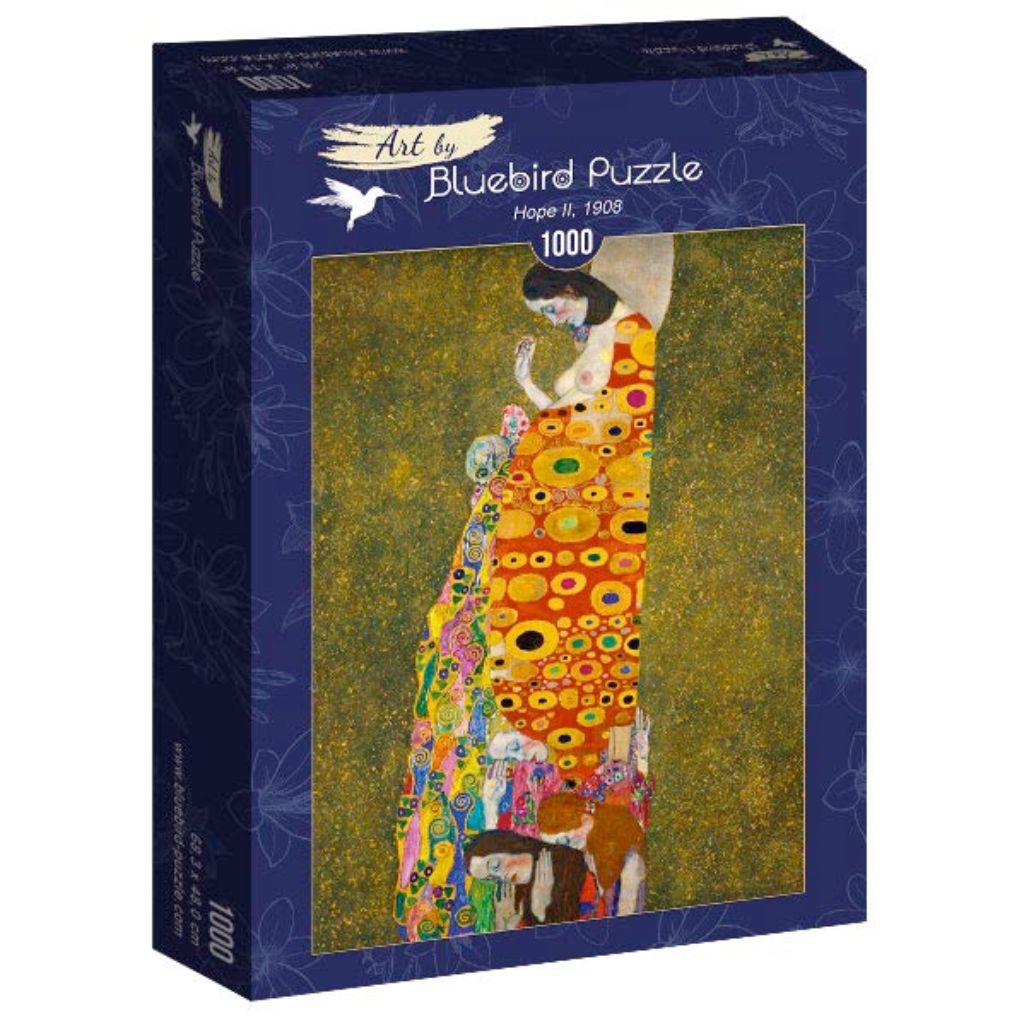
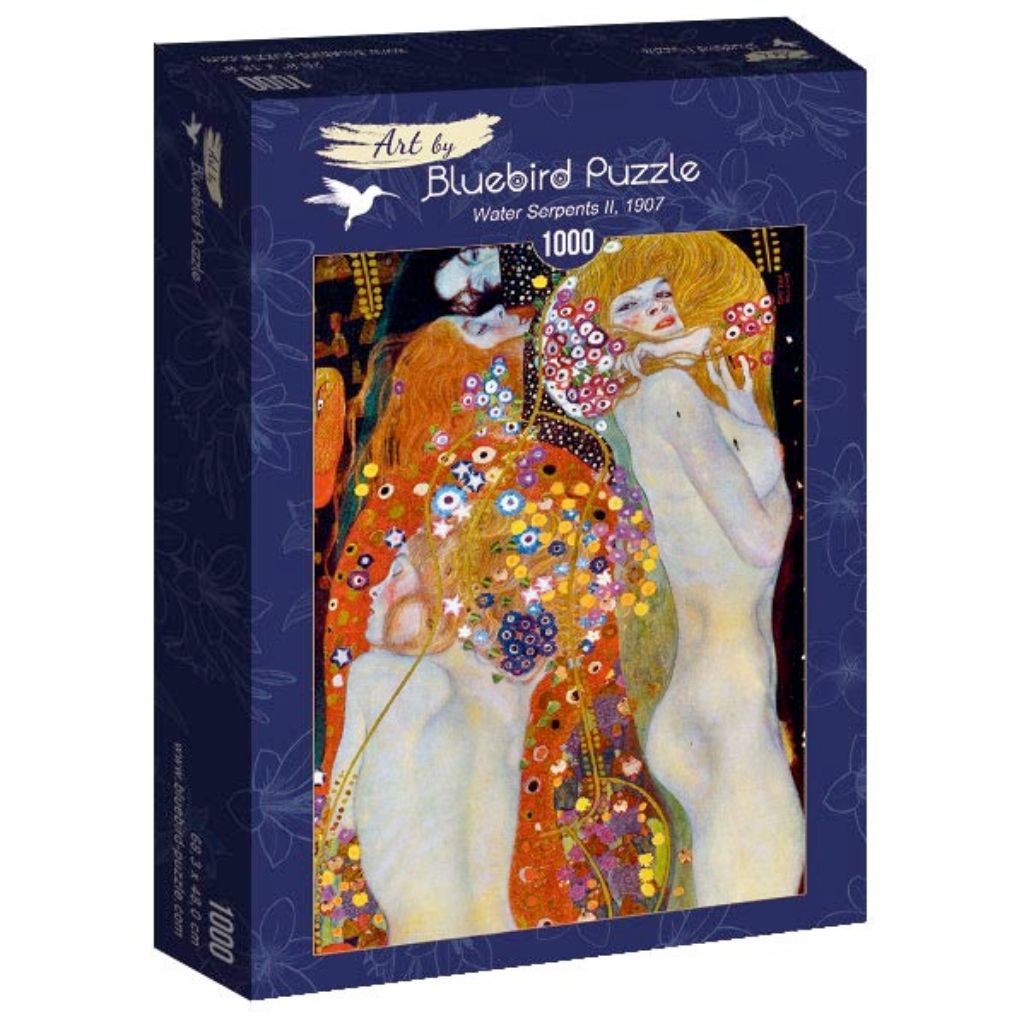
Art Nouveau is an artistic and architectural movement that flourished between the late 19th century and the early 20th century (circa 1890–1910). Also known as Stile Liberty in Italy, Jugendstil in Germany, Modernismo in Spain, and Style Guimard in France, Art Nouveau is distinguished by its decorative character, the use of organic forms, and the integration of art and craftsmanship.
Born as a reaction to the rigidity of academic art and mass industrial production, Art Nouveau sought to bring beauty into everyday life, merging design, architecture, graphic arts, and applied arts into a single coherent stylistic language.
Alphonse Mucha (1860–1939)
Mucha is considered the master of Art Nouveau illustration. His famous advertising posters, such as those for Sarah Bernhardt, feature idealized female figures framed by floral ornaments and golden details. His style profoundly influenced the graphic design and advertising of the period.
Gustav Klimt (1862–1918)
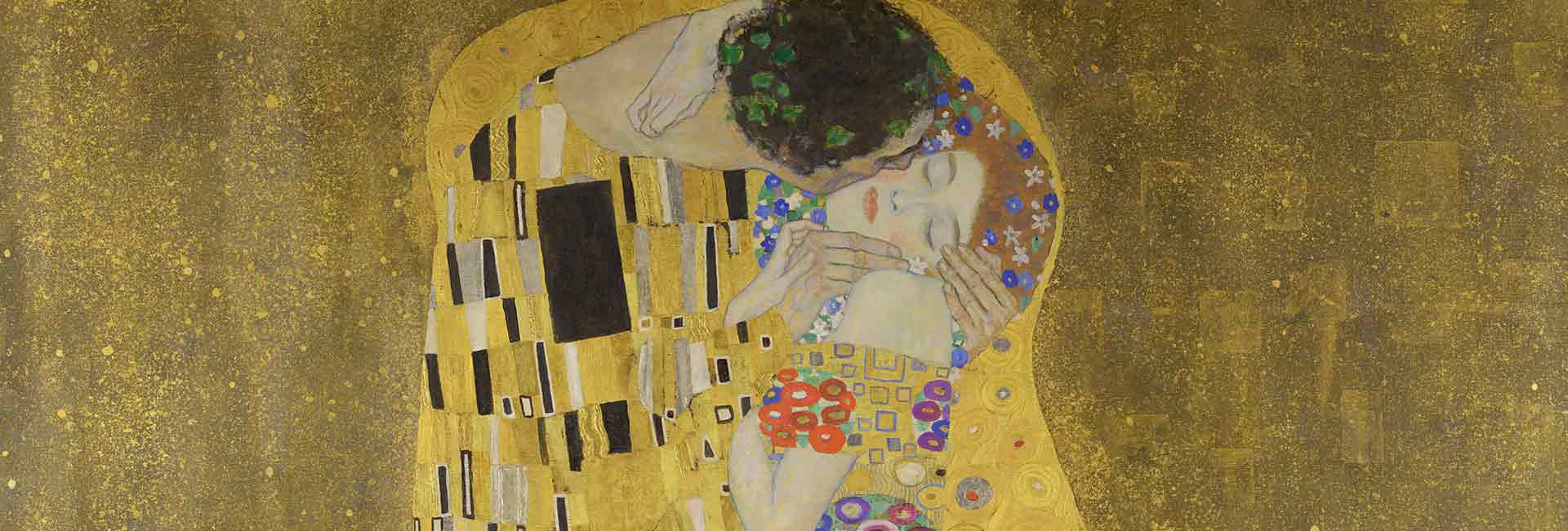
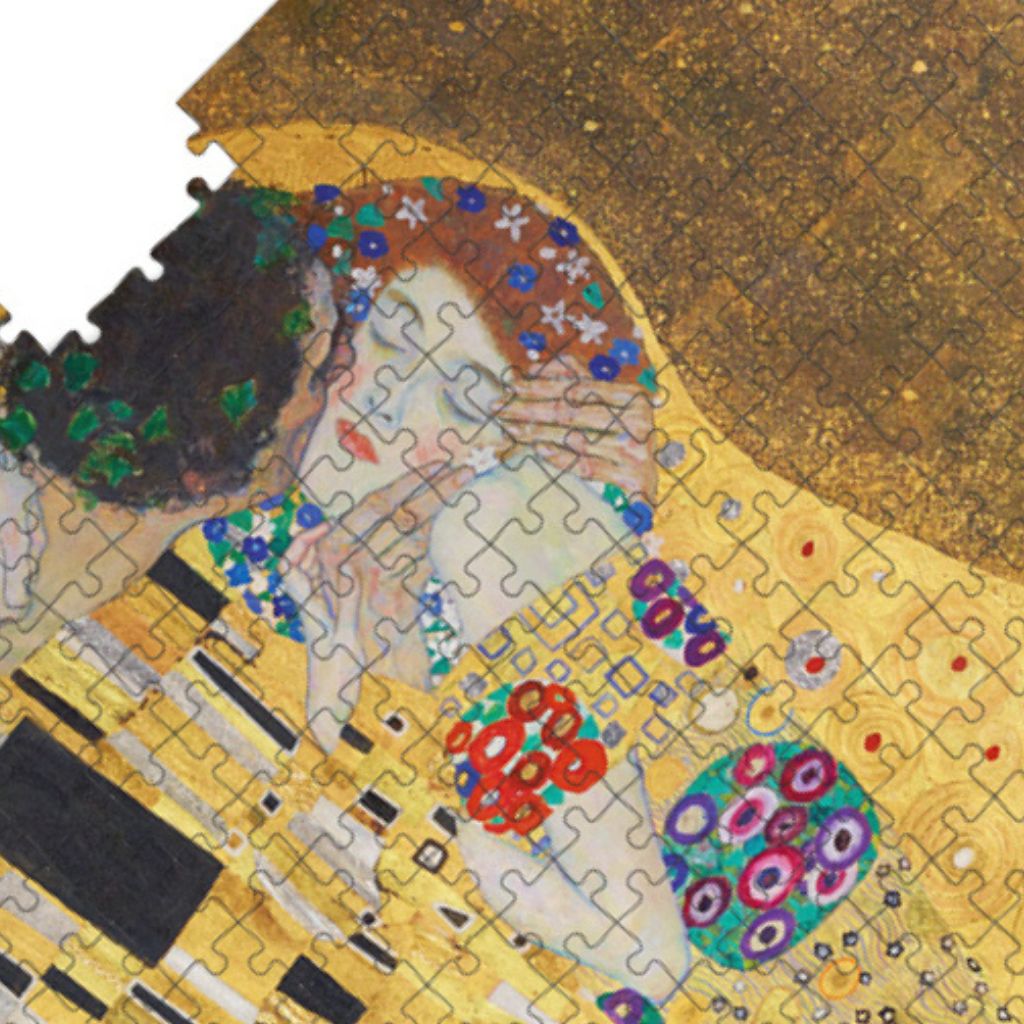
Klimt, a founding member of the Vienna Secession, developed a style characterized by the use of gold, the sensuality of female figures, and complex decorative motifs. Works such as The Kiss (1907–1908) and Judith I (1901) embody the aesthetic of Viennese Art Nouveau.
Despite its decline after World War I, replaced by Art Deco and Modernismo, Art Nouveau left an indelible mark on the world of art, design, and architecture.
Today, its charm continues to inspire artists, designers, and architects, and many of its works are considered timeless masterpieces.
In Italy, Stile Liberty spread especially in Milan and Turin, with buildings such as Casa Galimberti and Villino Florio in Palermo, designed by Ernesto Basile.