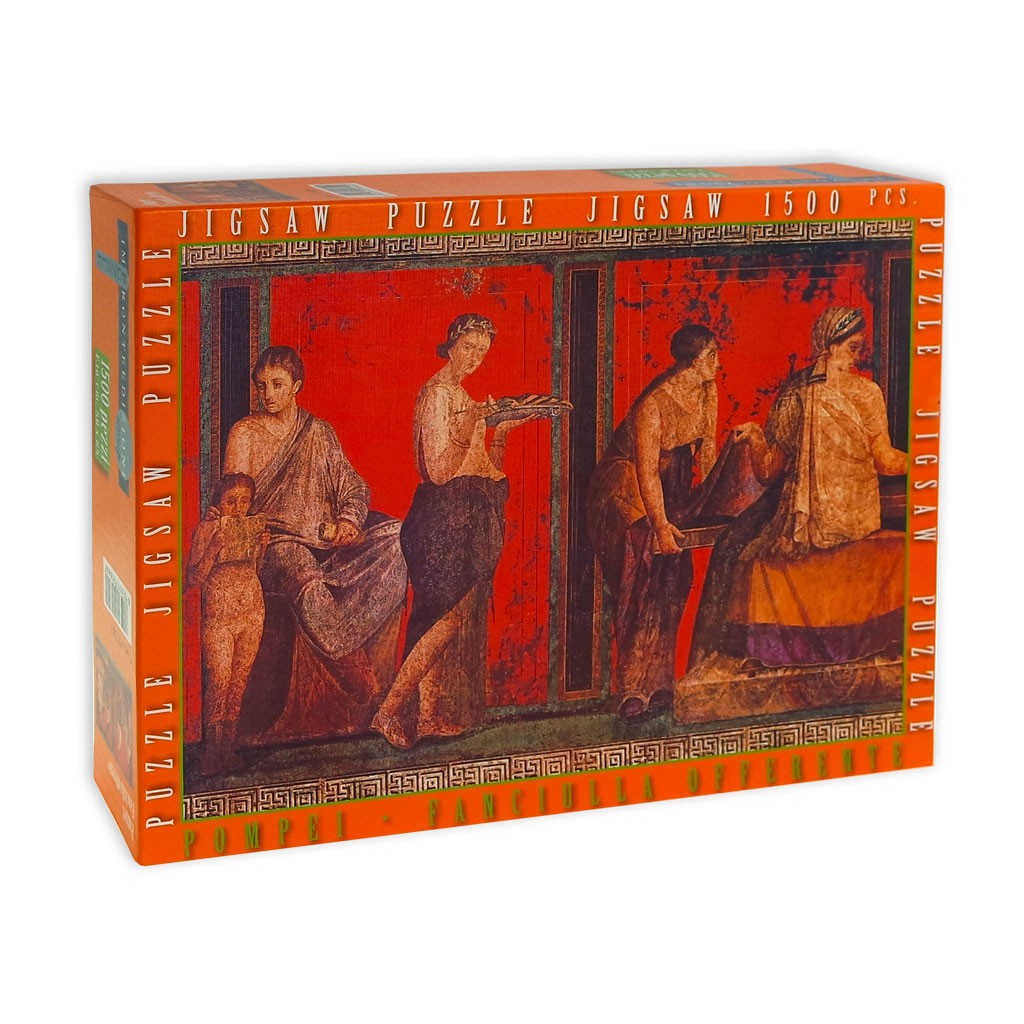


Puzzle Arte accompanies you in discovering rare and fascinating puzzles dedicated to classical art. The subjects of these puzzles date back over 2000 years and represent timeless masterpieces that have shaped the history of art and humanity. From Greek and Roman sculptures to Byzantine mosaics, up to frescoes that decorated temples and palaces, each image tells a story of ingenuity, beauty, and artistic evolution.
The years from 490 to 479 B.C. were of extreme significance and importance for Greece and the entire Western world. Persia, which had already subjugated Asia Minor and also conquered the Ionian cities, under the leadership of Darius (522-486 B.C.), the “Great King,” aimed to expand westward and in particular to conquer Greece.
A first Persian expedition in 490 B.C. was stopped at Marathon (today Vràna), on the eastern coast of Attica, by the Athenian army led by Miltiades.

However, about ten years later, the Persians attempted the campaign again under the leadership of Xerxes (486-465 B.C.), who succeeded his father Darius.
Putting aside the rivalries that had always divided the poleis, the Greeks, united in a coalition, defeated Xerxes’ powerful fleet in the Battle of the Bay of Salamis near Athens.
This occurred after the Greek defeat at the pass of Thermopylae, with the death of three hundred Spartans who, led by the brave King Leonidas, defended the pass.
The Greek victory represented the vision of the Western world, capable of independent thought and shaping its own destiny, and, in contrast to the absolutist and despotic Eastern state, believed in the rules of civil life and the first forms of democracy.
From this moment, Western civilization was born, of which we are the children and descendants, carrying values, ideals, and aesthetics that still influence our way of thinking and seeing the world today.
In those few years of exhausting wars, the embryo of the Classical period was shaped, an era of extraordinary cultural and artistic ferment that, extending up to the doors of the Middle Ages, laid the foundations of our modern society.
Every aspect of life was imbued with a sense of harmony and pursuit of perfection.
From a historical-artistic perspective, it is in these centuries that the so-called Classical Period begins, in which Greek and Roman art reached its highest peaks.
Discovering great Greco-Roman art through classical art puzzles is not just a fun pastime, but a profound way to understand one’s origins, the pursuit of perfection, and the beauty that arises from it.
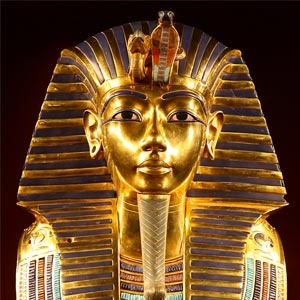
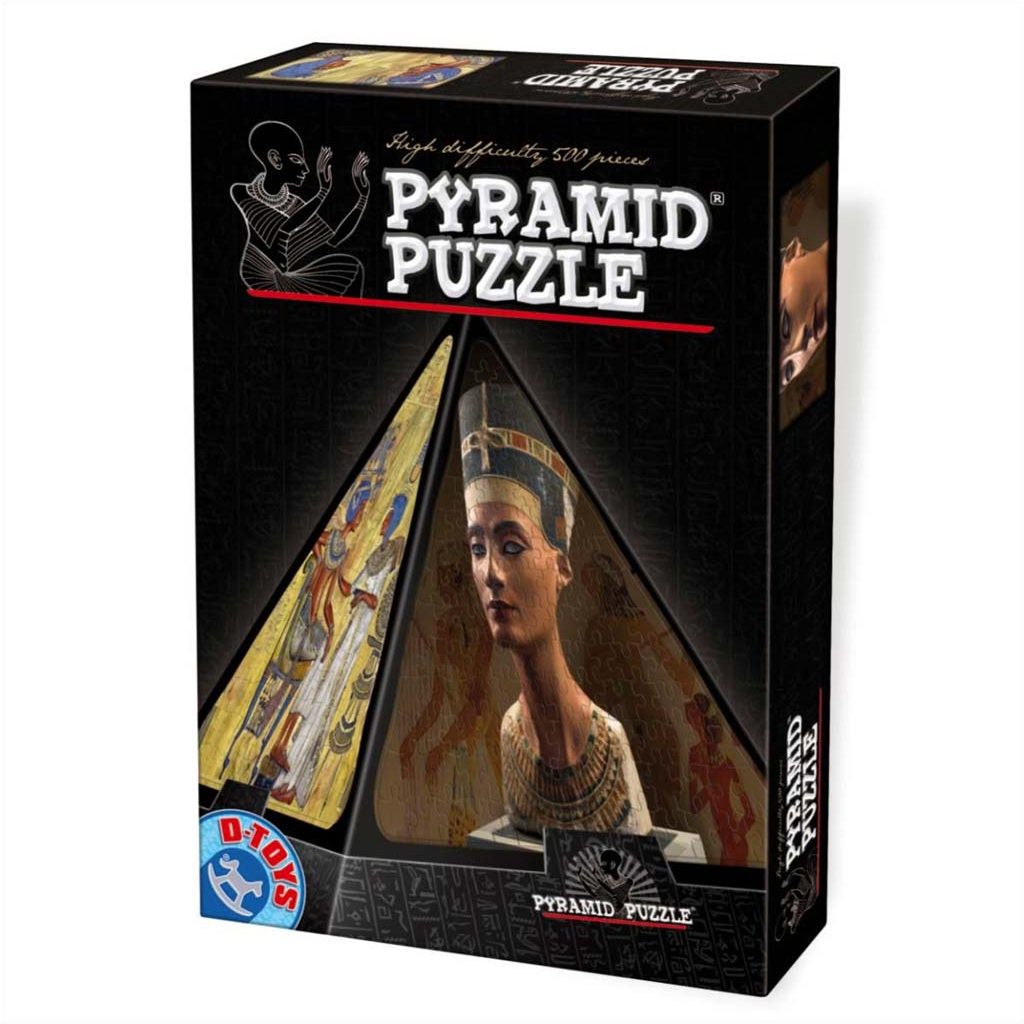
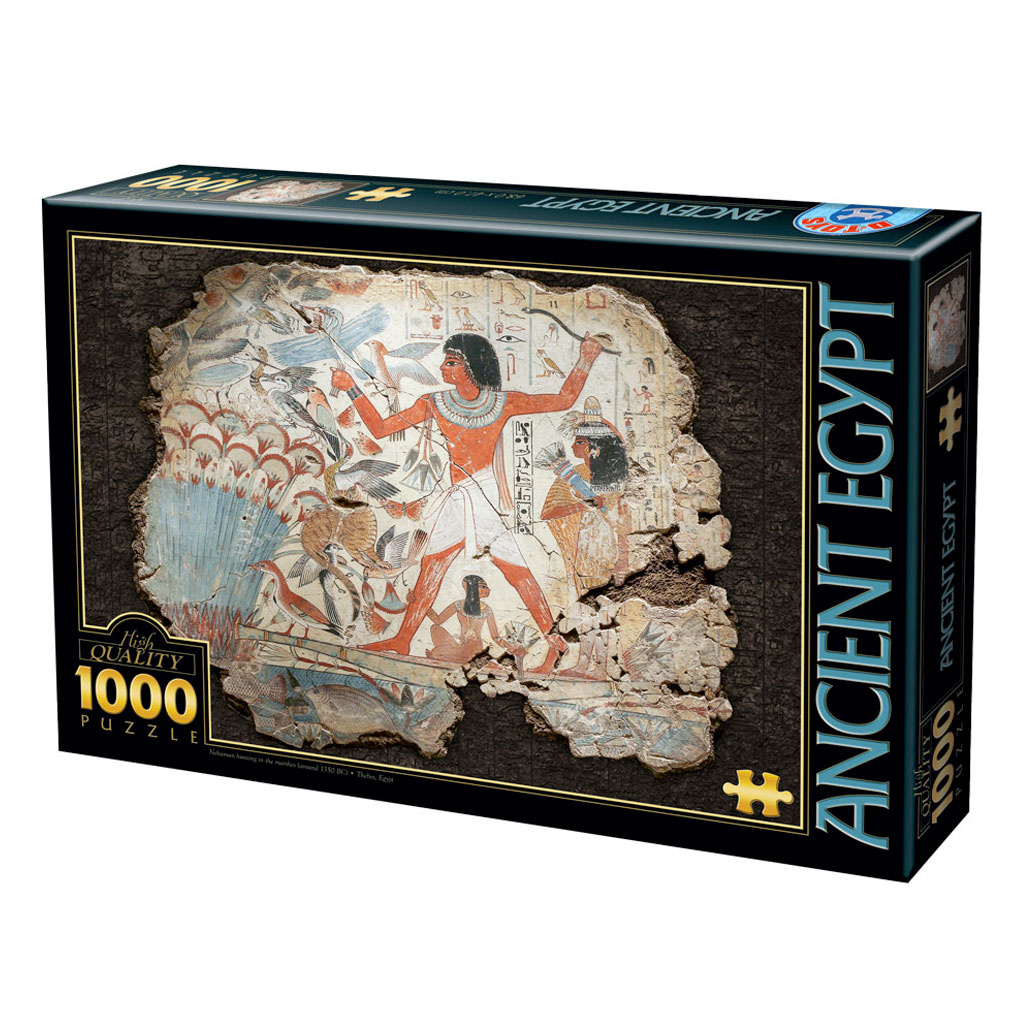
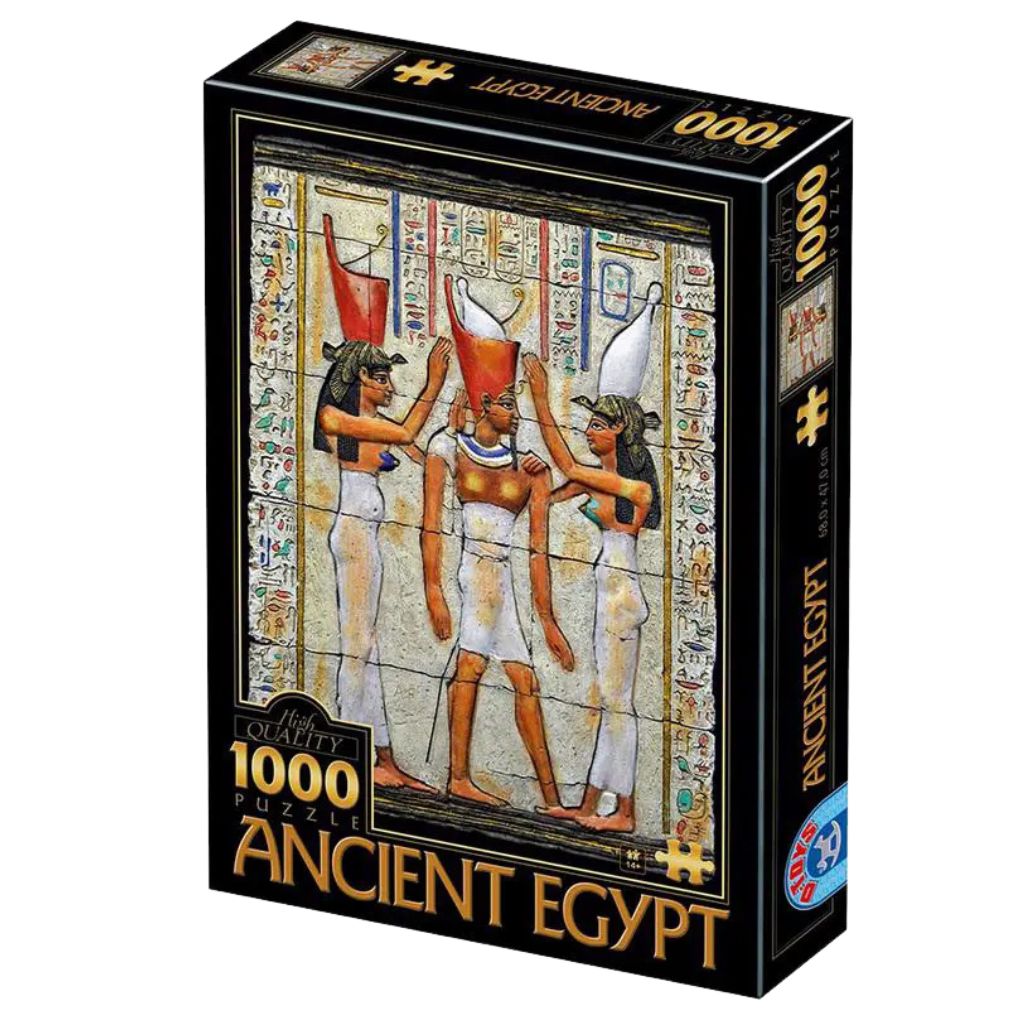
Egyptian art constitutes one of the most unique and unrepeatable phenomena in the history of art. For about three millennia, it preserved its own distinct, autonomous, and recognizable characteristics, remaining largely unaffected by any external influences.
Egyptian art has very ancient origins, preceding the 4th millennium B.C., and over the centuries intertwined with the art of neighboring cultures, being influenced by the Syrian-Phoenician culture and other Eastern cultures. Its influence extends up to the 19th century and beyond.
It can be divided into two major periods: Predynastic art and Dynastic art.
Dynastic art, with three main periods, follows a non-linear evolution, characterized by phases of great development interspersed with dark periods.
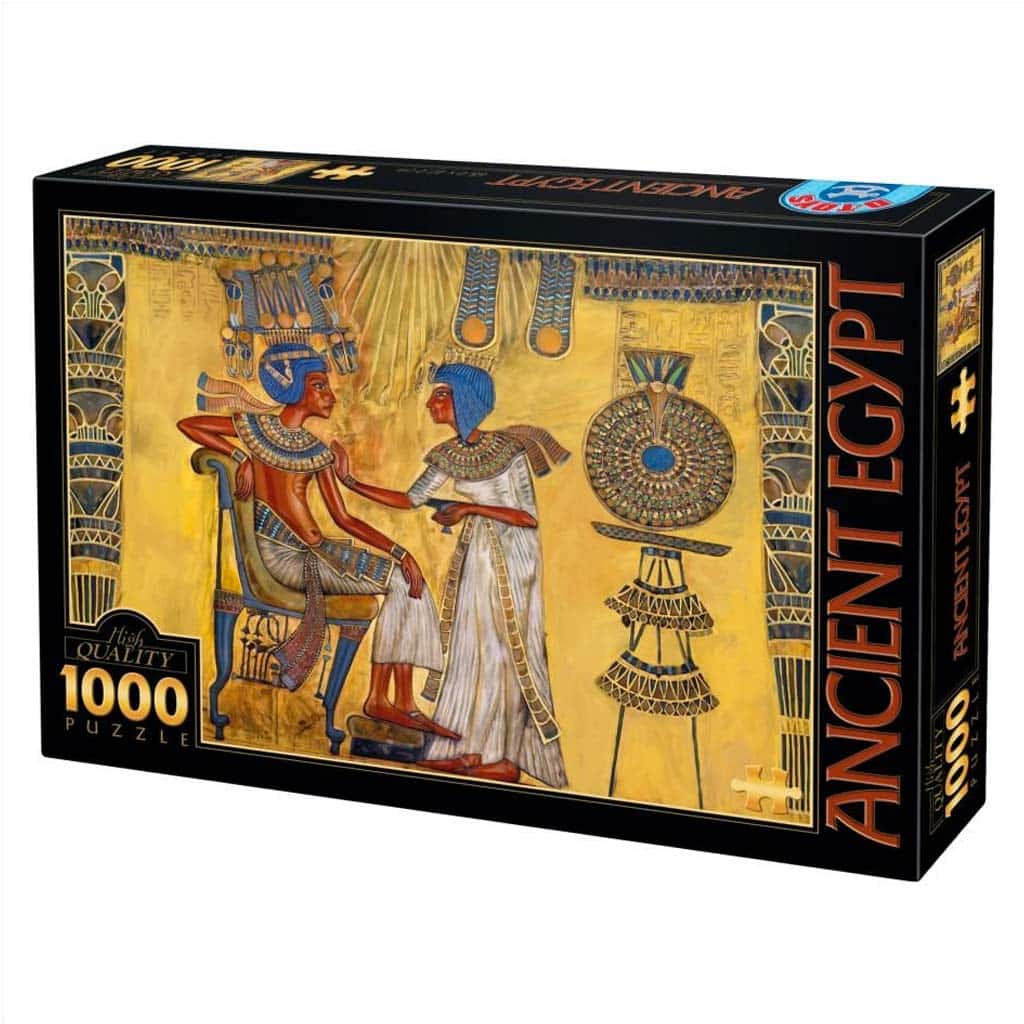
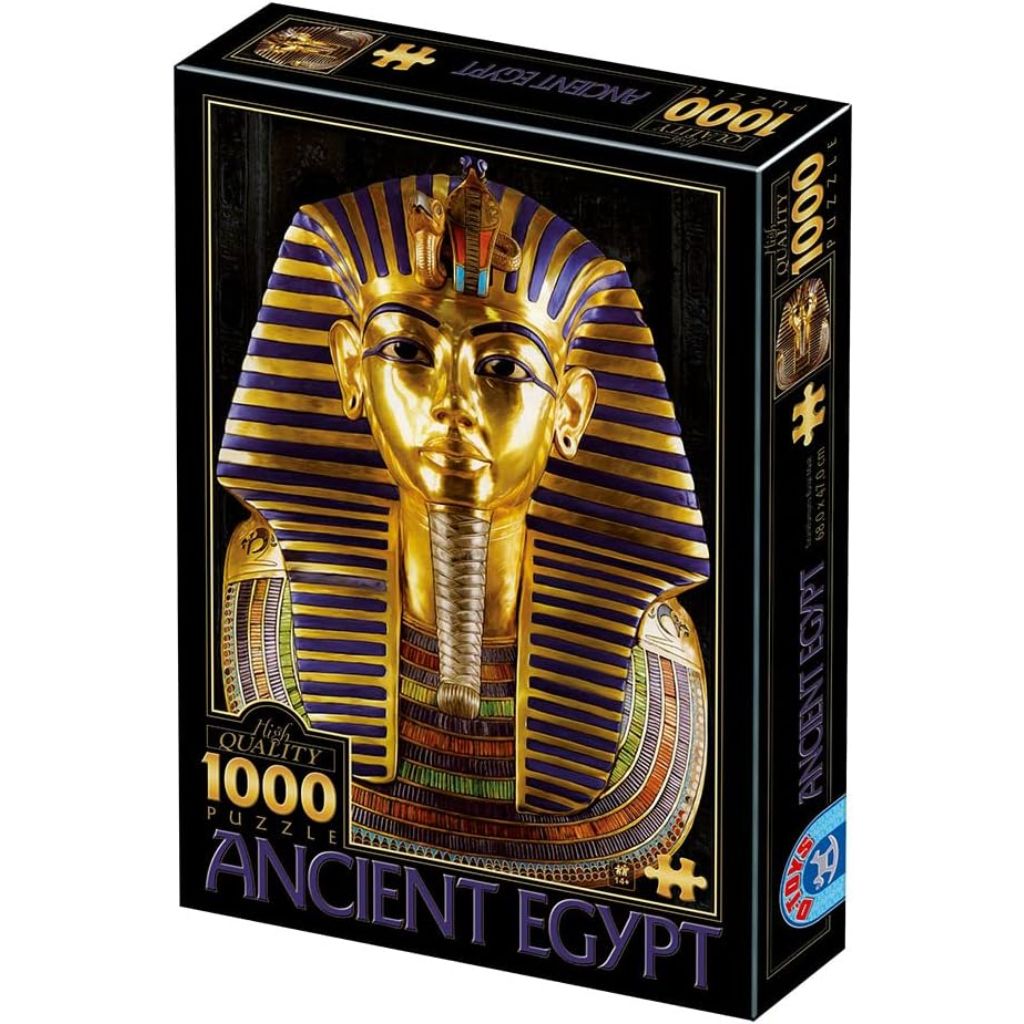
The Golden Throne of King Tutankhamun is a masterpiece of art, not only in the times of ancient Egypt but also in the history of art today.