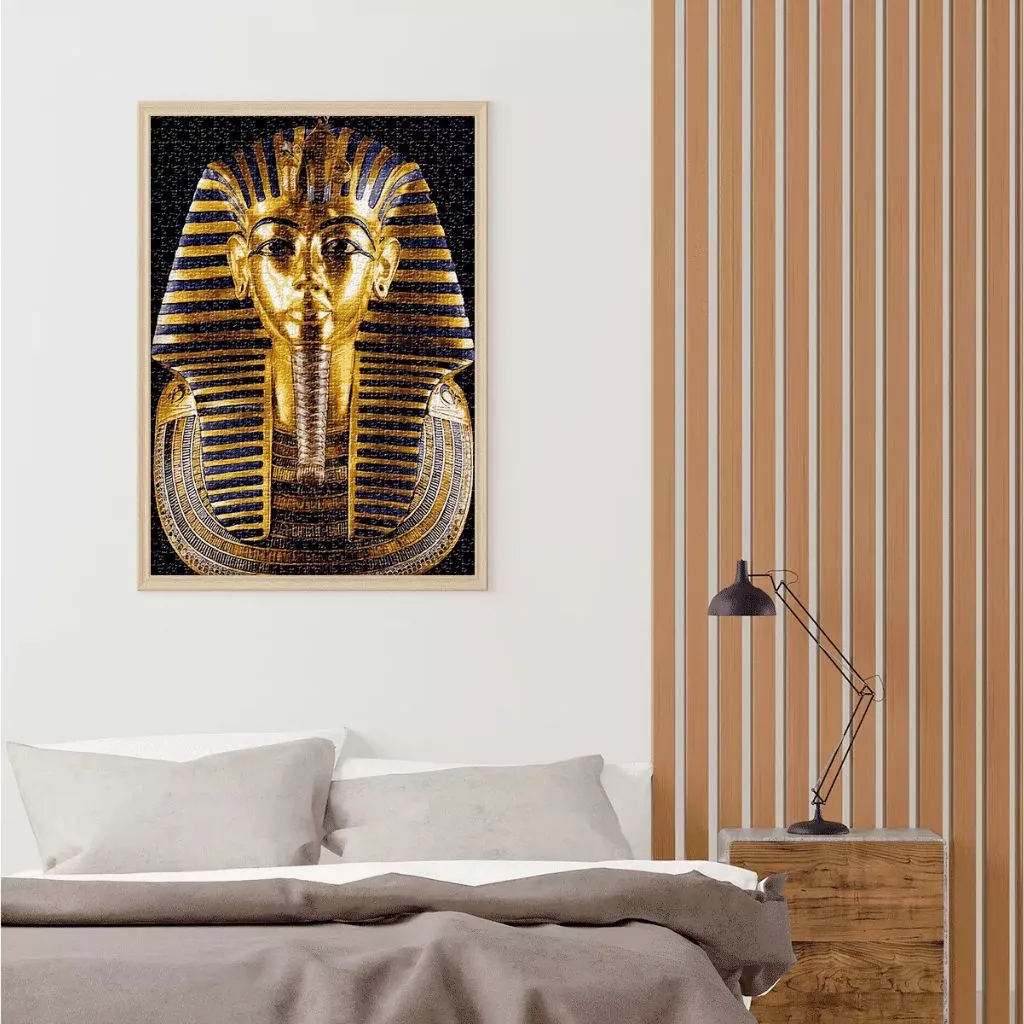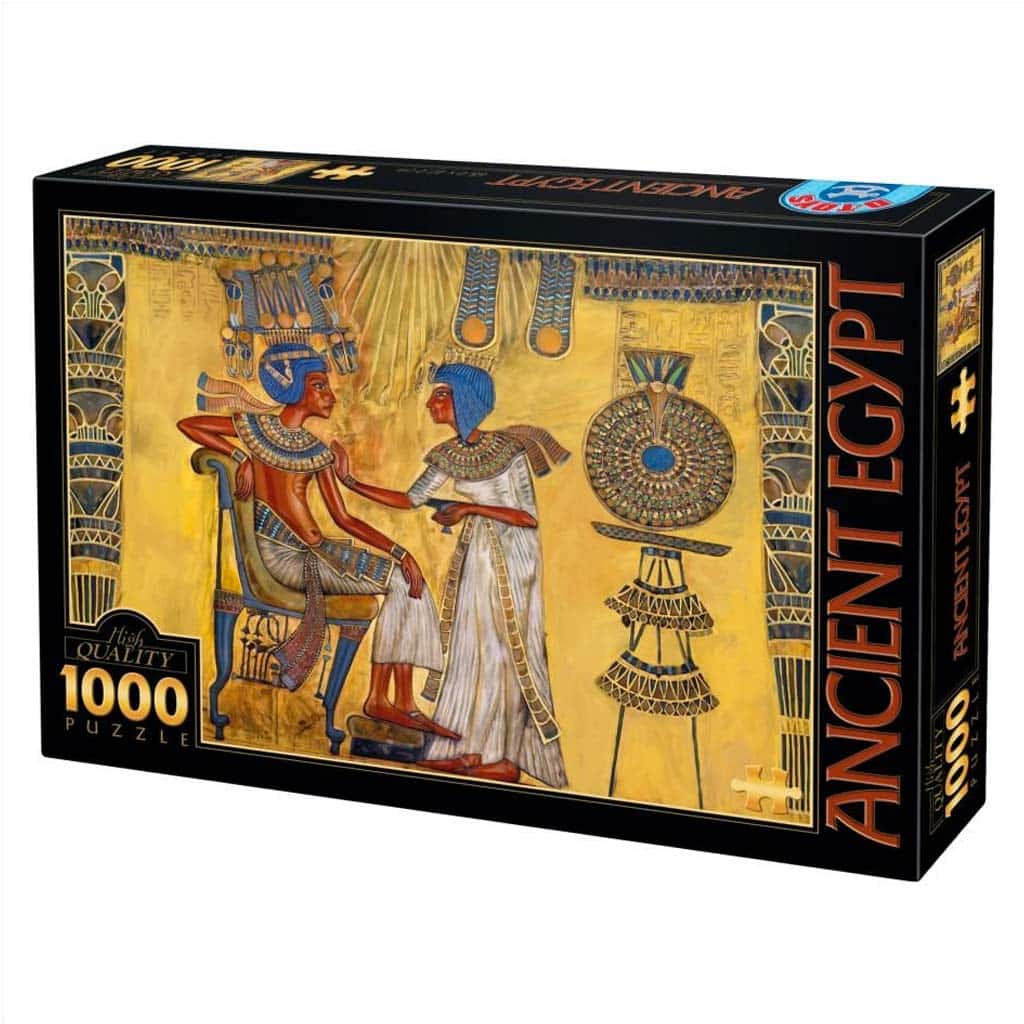


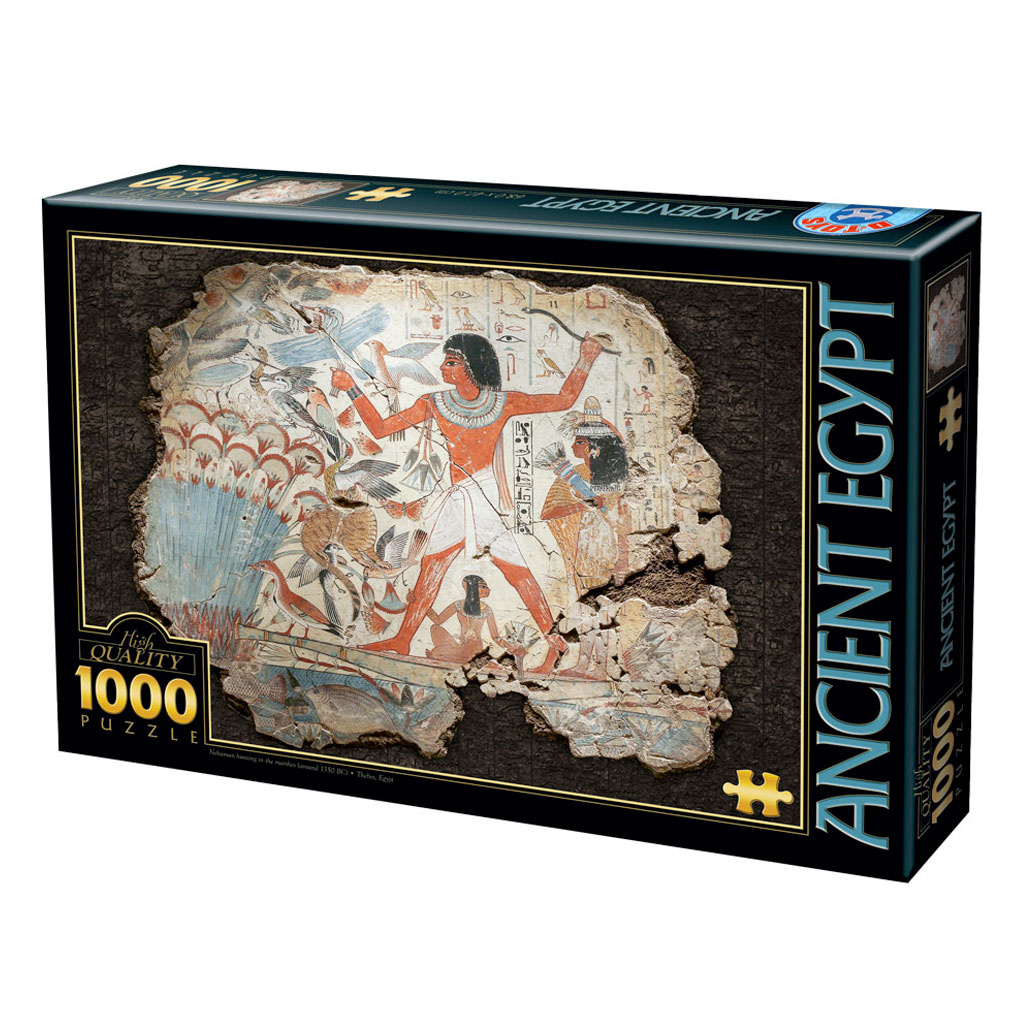
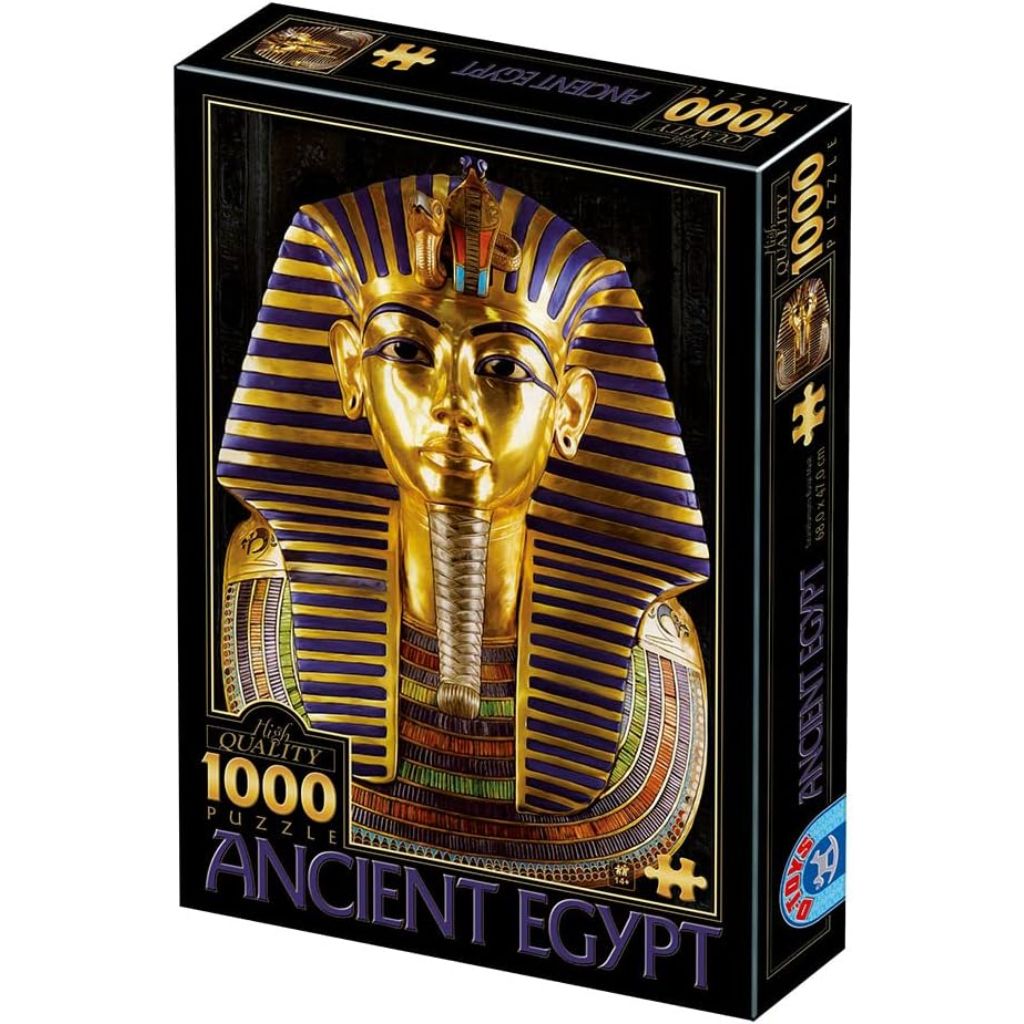
Discover with us our Egypt puzzles and enter the wonderful world of ancient Egyptian art among colors and precious materials.
In fact, through Egypt puzzles you will be able to learn about the world of ancient art through the works of one of the most important peoples in history.
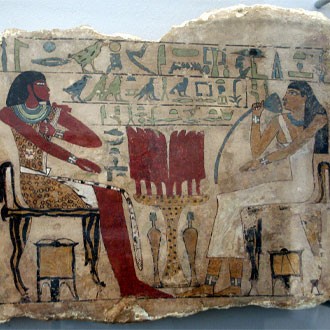
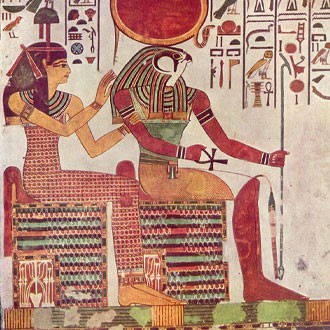
For the Egyptians, painting means filling in, that is, filling with color the outline of a figure previously drawn on a smooth surface. Great value is given to the line and the graphic mark in this majestic and meaningful painting.
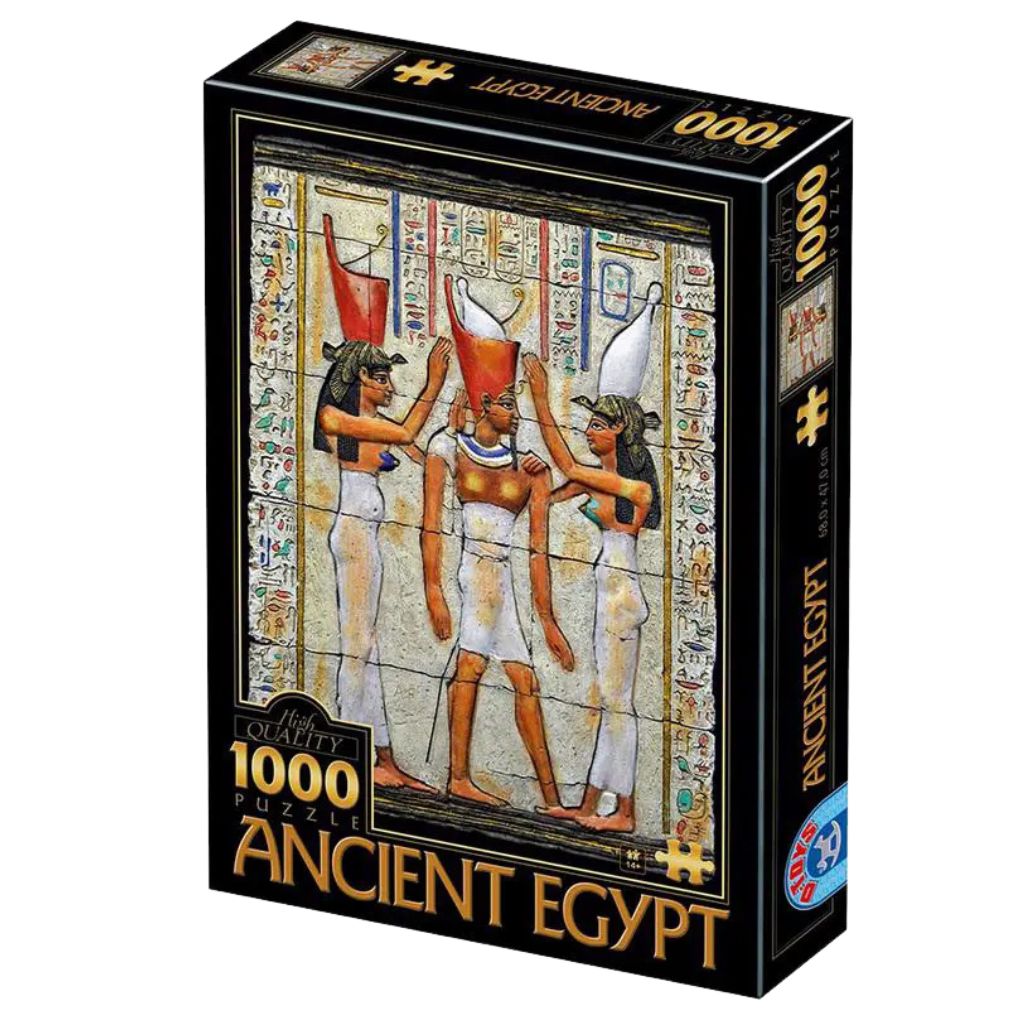
The function of Egyptian reliefs and paintings is not decorative, but religious. In fact, they are created mostly on sarcophagi, in burial chambers and inside temples, therefore sheltered from possible indiscreet eyes.
Their use, moreover, was reserved exclusively for the deceased, who in their afterlife could be comforted by these representations. Generally the depicted subjects therefore refer to the peaceful life of the fields (sowing, grape harvest, reaping, livestock breeding) and to other working activities of the time: from metalworking to cattle slaughtering, from fishing on the Nile to hunting marsh birds from baking bread to brewing beer.
Finally, there are also ceremonies and banquets with dancers and musicians and scenes of domestic life .
The Egyptian painting technique consists of mixing pigments obtained from grinding various colored earths with a binder, a sticky substance based on water, rubber latex and egg white.
The color thus obtained has a semi-liquid consistency and is applied using brushes made from palm fibers.
This type of painting is usually defined as tempera and, since it can dissolve with water, it must necessarily be used only on perfectly dry surfaces and protected from possible rain.
As in all pictorial representations of Mesopotamian peoples, among the Egyptians as well human figures must follow a precise symbolism that remained essentially unchanged for more than three millennia.
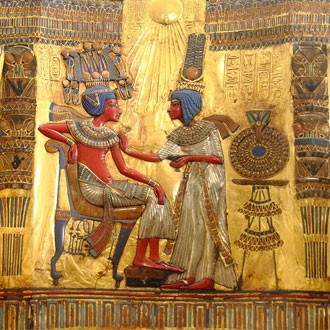
#gallery-2 { margin: auto; } #gallery-2 .gallery-item { float: left; margin-top: 10px; text-align: center; width: 33%; } #gallery-2 img { border: 2px solid #cfcfcf; } #gallery-2 .gallery-caption { margin-left: 0; } /* see gallery_shortcode() in wp-includes/media.php */Reality is not represented as it appears to the eye, but in the most elementary and intuitive way possible. To better explain a human figure, for example, it is painted simultaneously highlighting its essential and most significant physical characteristics.
Thus the face and the head are constantly represented in profile, since this point of view clearly highlights their outline. The eye, however, is represented from the front, because only this view fully describes its shape and expression. For the same reason the torso is also represented from the front, in order to emphasize its symmetry.
However in women, at least one of the breasts is represented from the side, which defines its shape in a more understandable way than an exclusively frontal view.
The skin color is another symbolic element that helps make the characters easier to identify. In fact men always appear red-brown in color, while women are lighter in color.
Egyptian paintings and reliefs, despite the substantial repetition of subjects and forms, retain a liveliness and immediacy absolutely unknown in any previous figurative manifestation.
For example, the fragment of the so-called Frieze of the Geese, found in the mastaba of Itet at Meidum, south of Memphis.
The painting, executed on a smooth plaster background finished with gypsum, dates back to about 2630 BC and depicts marsh ducks. The precision of the drawing, the refinement of the colors, the exact reproduction of proportions and the balance of the composition make this painting one of the highest examples of the technical skill and artistic sensitivity achieved by the Egyptians already forty-eight centuries ago.