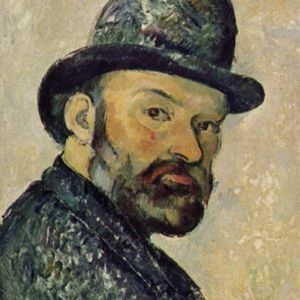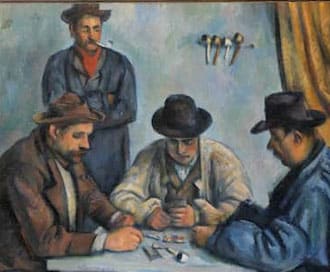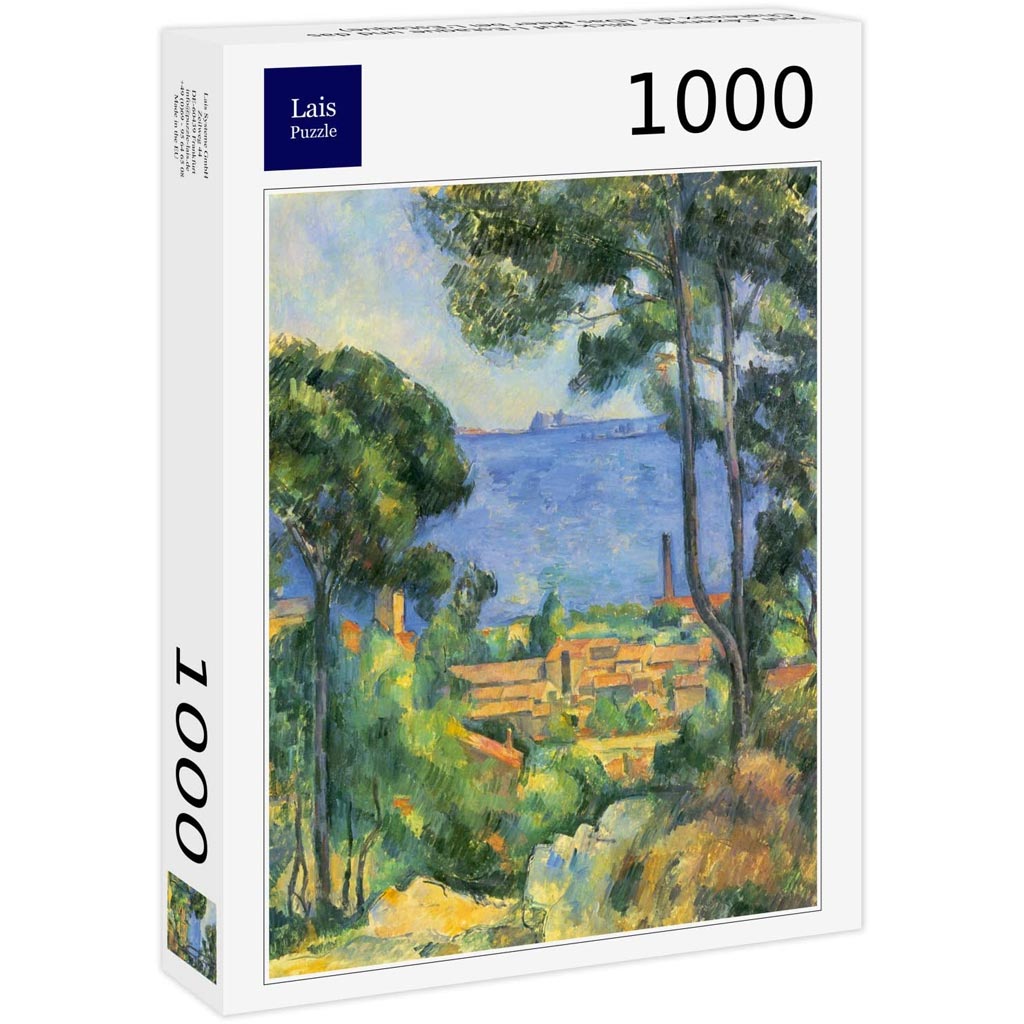


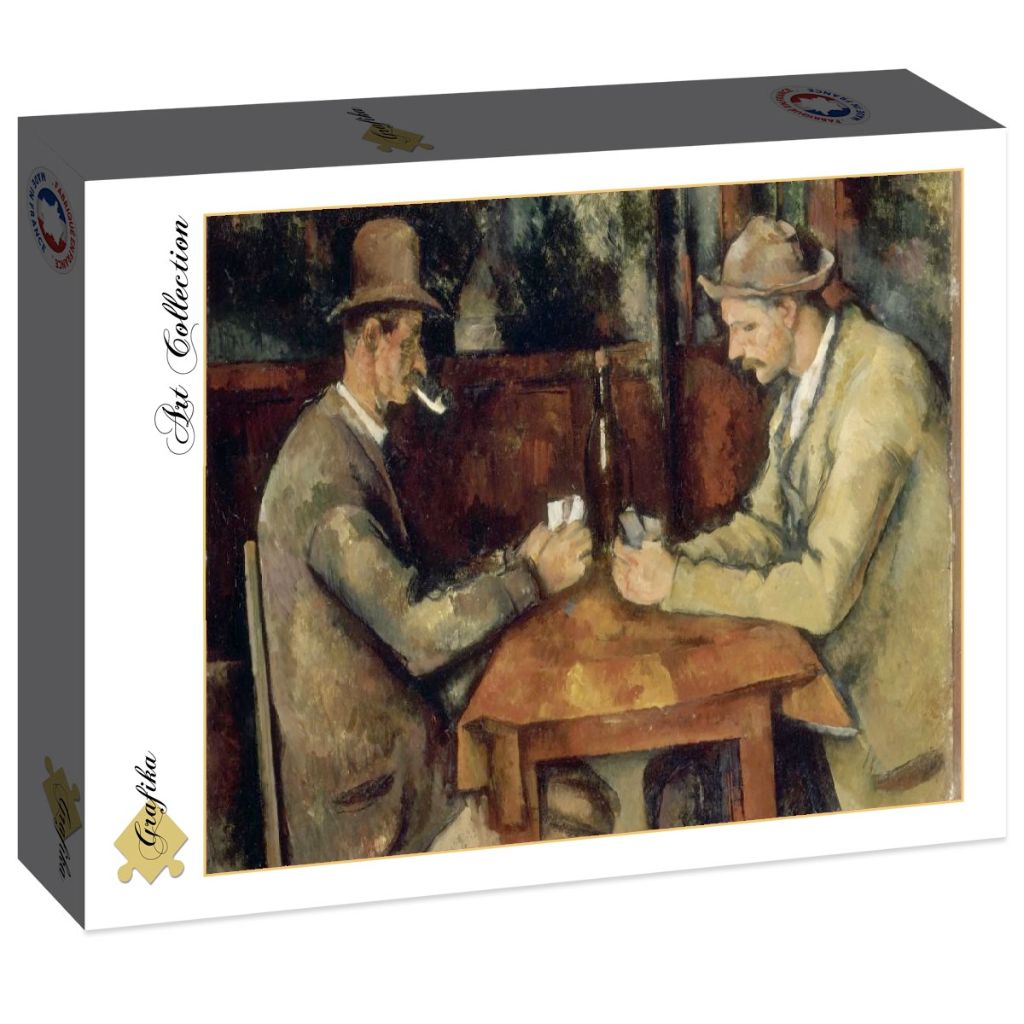
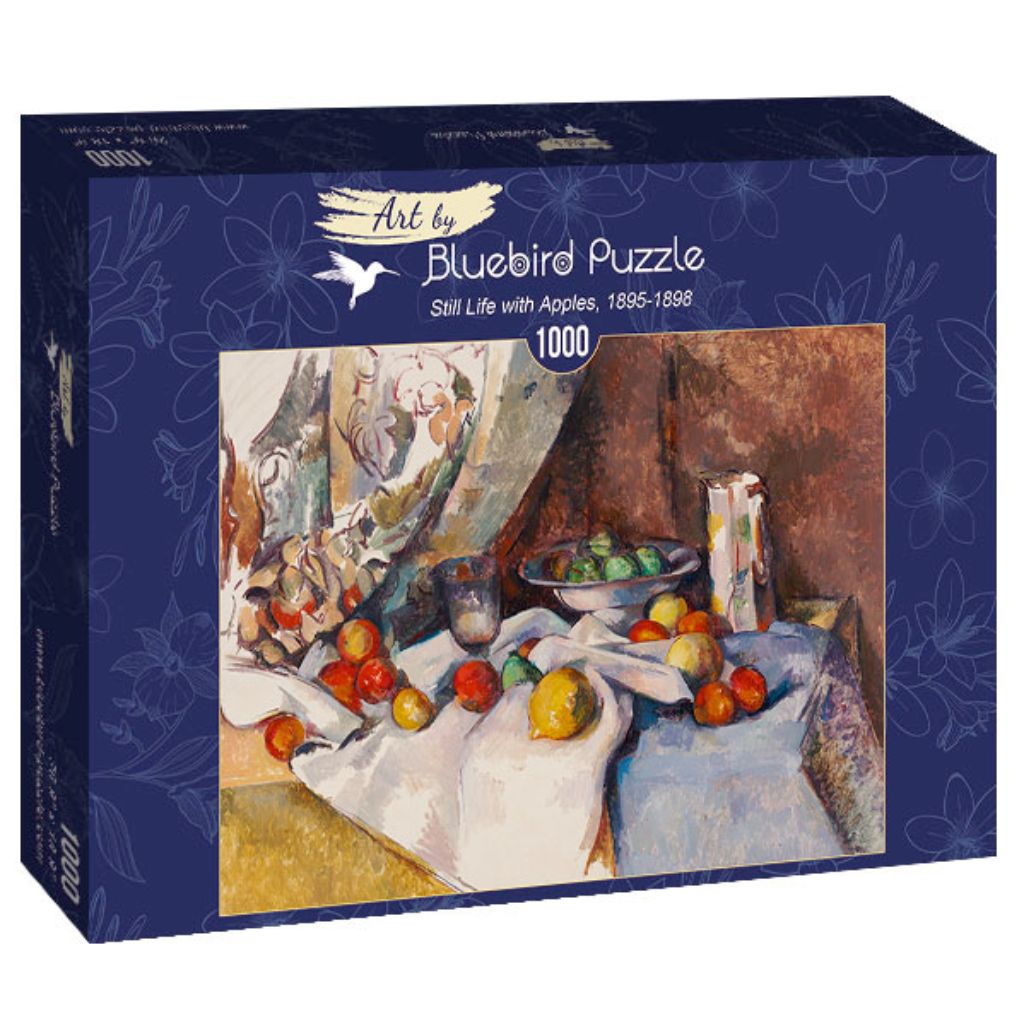
Cézanne was born in Provence and spent most of his life there. He never tired of painting its sunny landscape. Cézanne moved to Paris at the beginning of the 1860s and associated with advanced artists such as Edouard Manet and young impressionists.
His early works, however, were very different from theirs. His pigments were dark and heavy, applied with emphatic brushstrokes or with a palette knife; his subjects were “difficult”, sometimes violent and erotic, deeply personal.
In the early 1870s his style changed. Working alongside Camille Pissarro outdoors, Cézanne turned to landscapes and adopted the broken brushstrokes and brighter colors of the impressionists. He exhibited with them in 1874 and in 1877.
In his later paintings, those made after about 1895, these harmonies of colors become more resonant, autumnal.
Paul Cézanne (1839-1906) was one of the most important painters of the 19th century. His human and artistic story crossed the path of the impressionists, to whom he is usually associated.
In truth, Cézanne was never a true impressionist. We can say that in the history of this movement two figures can be identified that are in some ways anomalous:
His art does not aim to represent the personal impression in perpetual transformation, but the eternal and unchanging reality of the world around him.
The representation of objects in Cézanne puzzles avoids any geometric rule, giving color a fundamental importance and thus giving life to works that stand out for the richness and multiplicity of shades.
In fact, according to Cézanne, it is color that gives shape to figures:
Color and drawing are not distinct at all. In reality one draws by coloring. The more harmonious the arrangement of color, the clearer and more precise the drawing. […] Contrasts and tonal relationships are in reality the secret of drawing and modeling.
With the use of the technique of drawing with color, the artist opens up new and surprising horizons for painting.
Furthermore, according to Cézanne what we perceive is confused and he believed it was a fundamental task of the artist to try to bring order to the vague universe of sensations through that continuous research that characterizes his life as a solitary artist of immense stature and who, like all great artists, does not limit himself to reproducing but to reinterpreting the world.
From 1885 Cézanne decided to abandon himself to the sensations experienced when we quickly observe objects, allowing the deception of the senses to prevail over the brain. He began with still lifes and continued with other representations, particularly of landscapes.
Recognition and consecration for Cézanne first arrived in 1895, with his solo exhibition which was a real success and then in 1904, with the great exhibition at the Salon d’Automne.
Suffering from diabetes, Paul spent the last years of his life focusing on his favorite subjects, “Les grandes baigneuses”.
He died suddenly on October 22, 1906 following pneumonia contracted a few days earlier during a painting session en plein air.