

 Hot
Hot
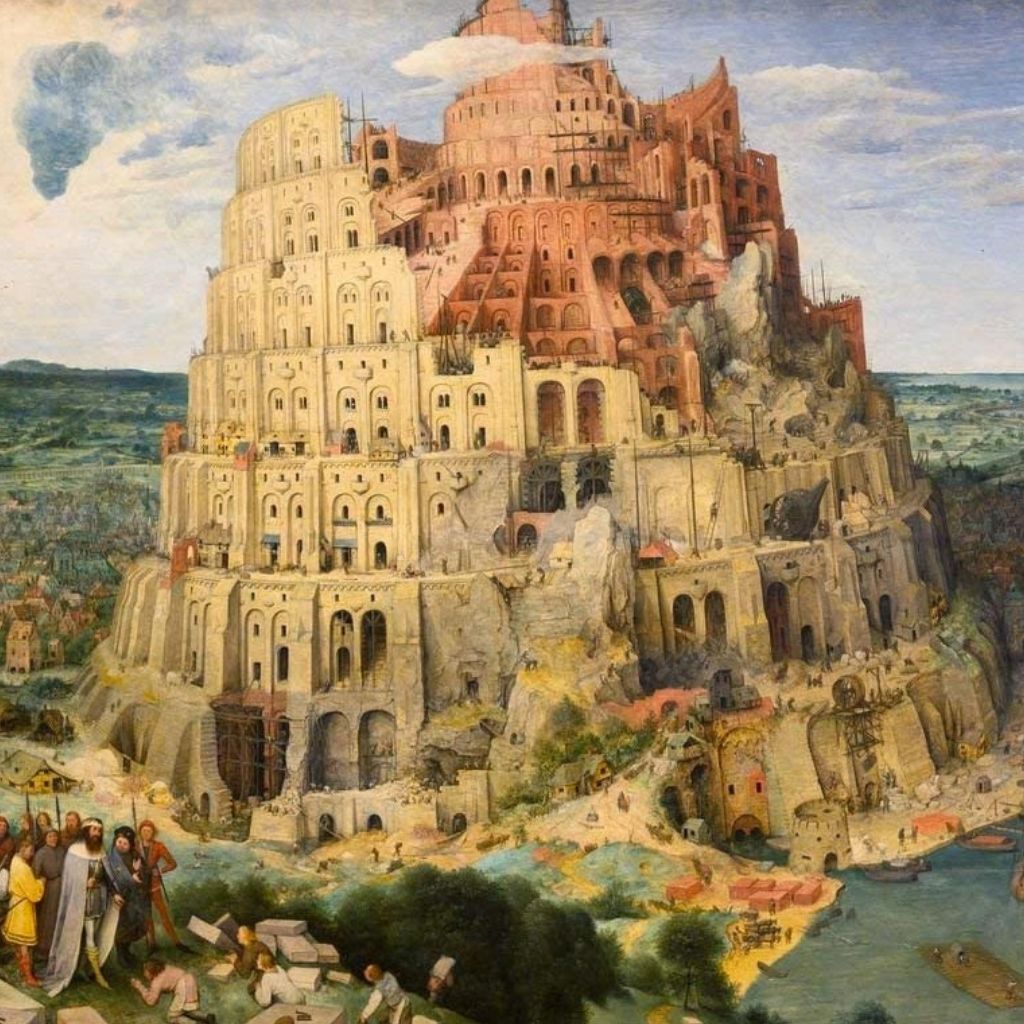
Bruegel’s Tower of Babel Puzzle
Price range: 25,00€ through 45,00€
Select options
This product has multiple variants. The options may be chosen on the product page
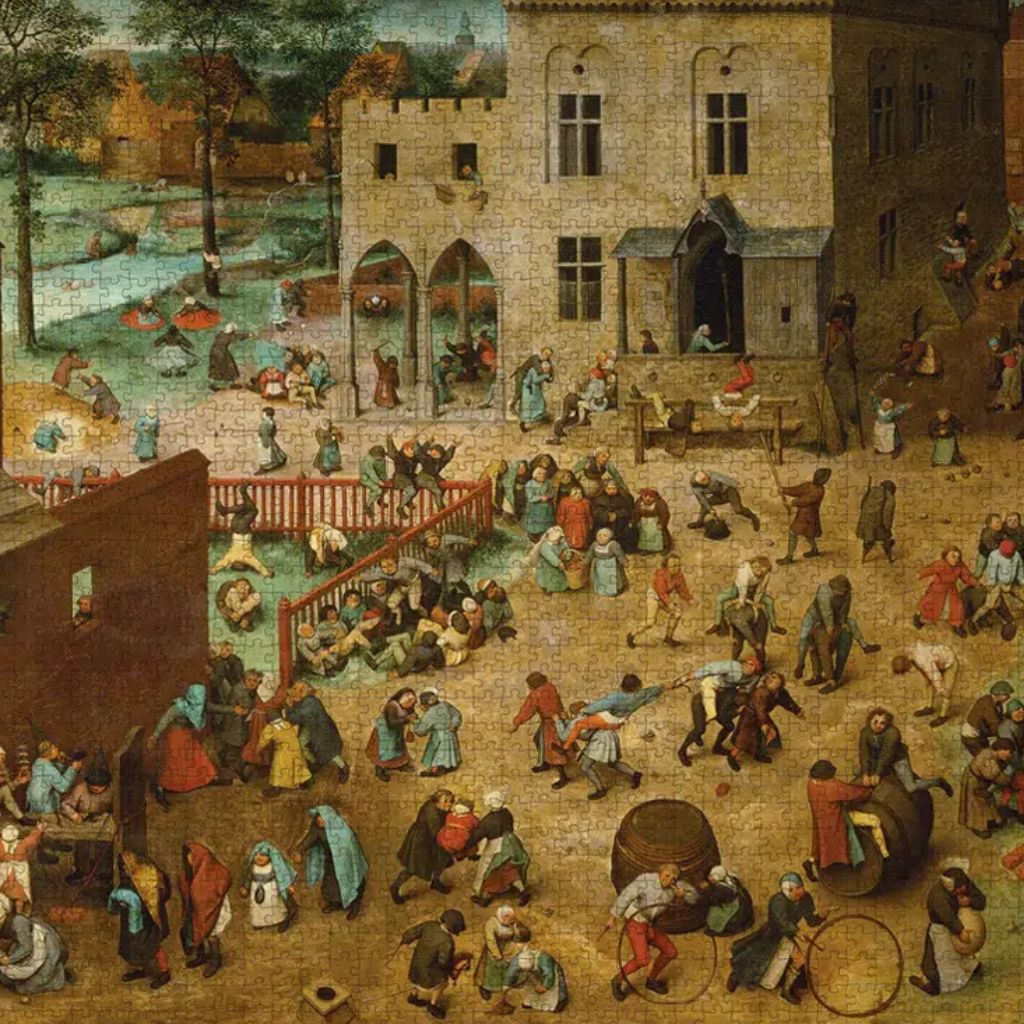
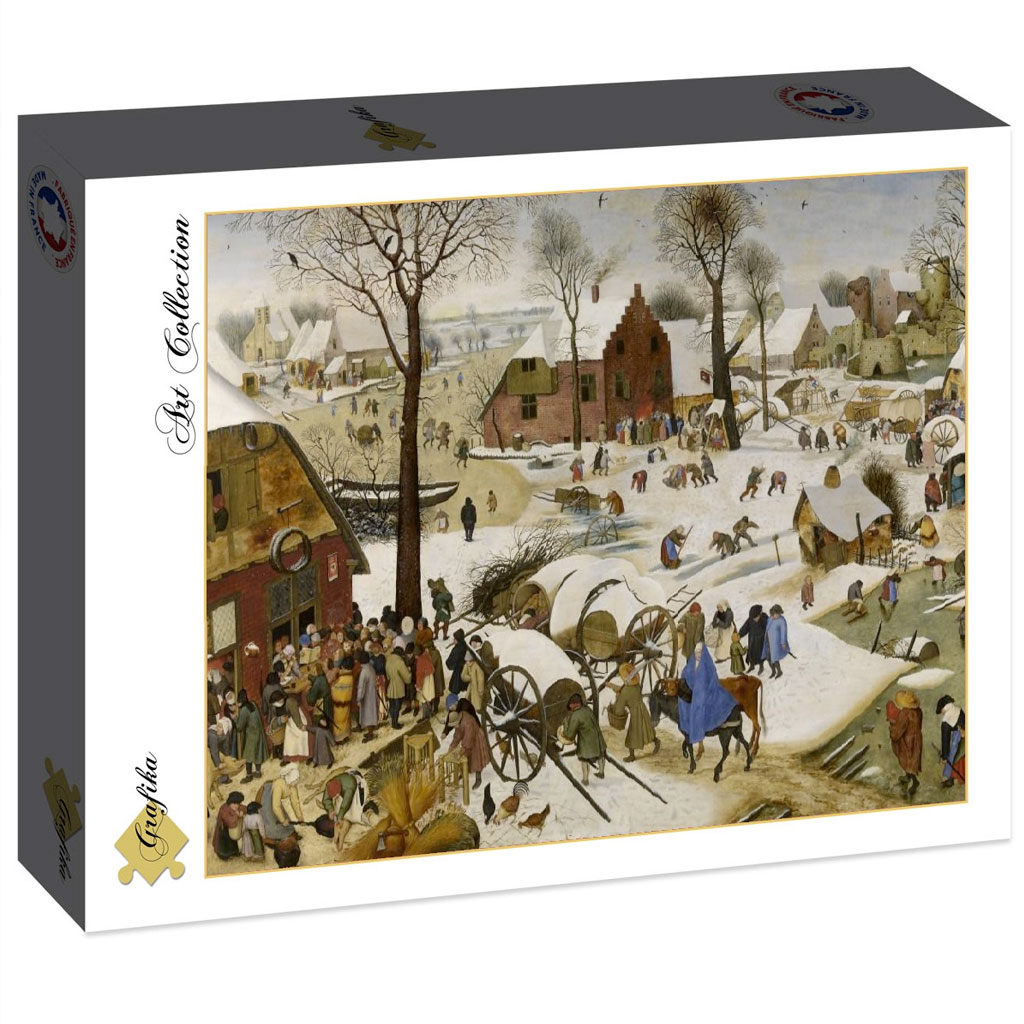
Pieter Brueghel the Elder was a painter, draftsman, and engraver, the greatest artist of the early sixteenth century in Northern Europe.
However, documentation regarding his career is rather scarce.
What is known about Bruegel the Elder comes from the extremely laudatory biography by Karel Van Mander, published in 1604.
Bruegel, or Brueghel, was born in Breda around 1525 and died on September 5, 1569, in Brussels.
He is generally referred to as the Elder to distinguish him from his firstborn son, Pieter Bruegel the Younger. His second son, Jan Bruegel the Elder, also followed in his footsteps, as did his grandson Jan Bruegel the Younger.
Pieter learned to paint at the school of painters Pieter Coecke van Aelst and Jérôme Cock in Antwerp.
From Van Mander’s writings, it can be inferred that Brueghel was a print dealer and that in 1552 he undertook a journey to France and Italy, stayed in Rome, and even traveled to Sicily.
In 1553, during his stay in Italy—a compulsory stop for painters from Northern Europe—he worked in the studio of miniature painter Giulio Clovio in Rome.
“It was said that he had swallowed all the mountains and rocks when he was in the Alps, to spit them out in the form of a painted panel.”
Thus wrote Karel van Mander, the first biographer of Pieter Bruegel the Elder, the great Flemish painter who, better than anyone else, gave voice to the traditions and pastimes of popular culture, to shivering hunters in the snow, to the beauty of natural landscapes, giving us the chronicle of humanity painted with the colors of the earth, sometimes depicted in its basest instincts, with lenticular precision and free from any idealization.

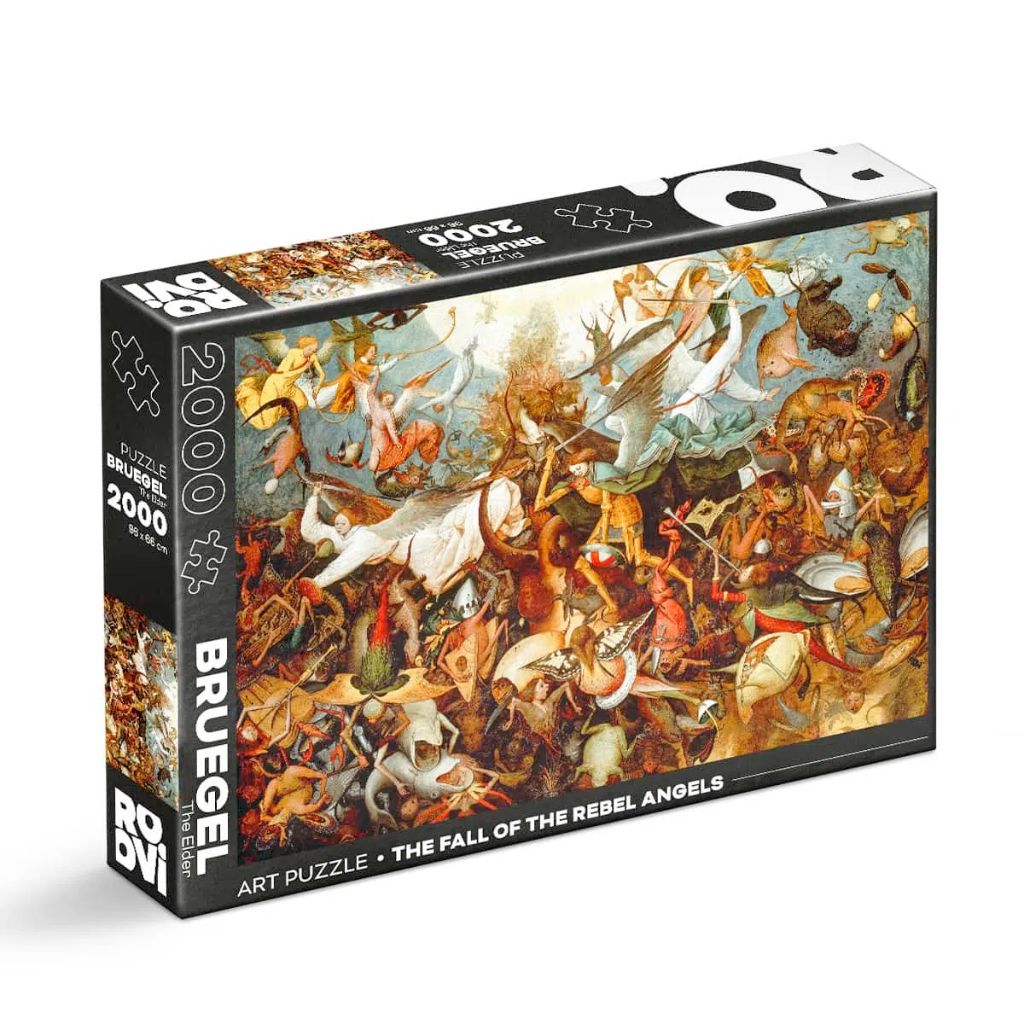
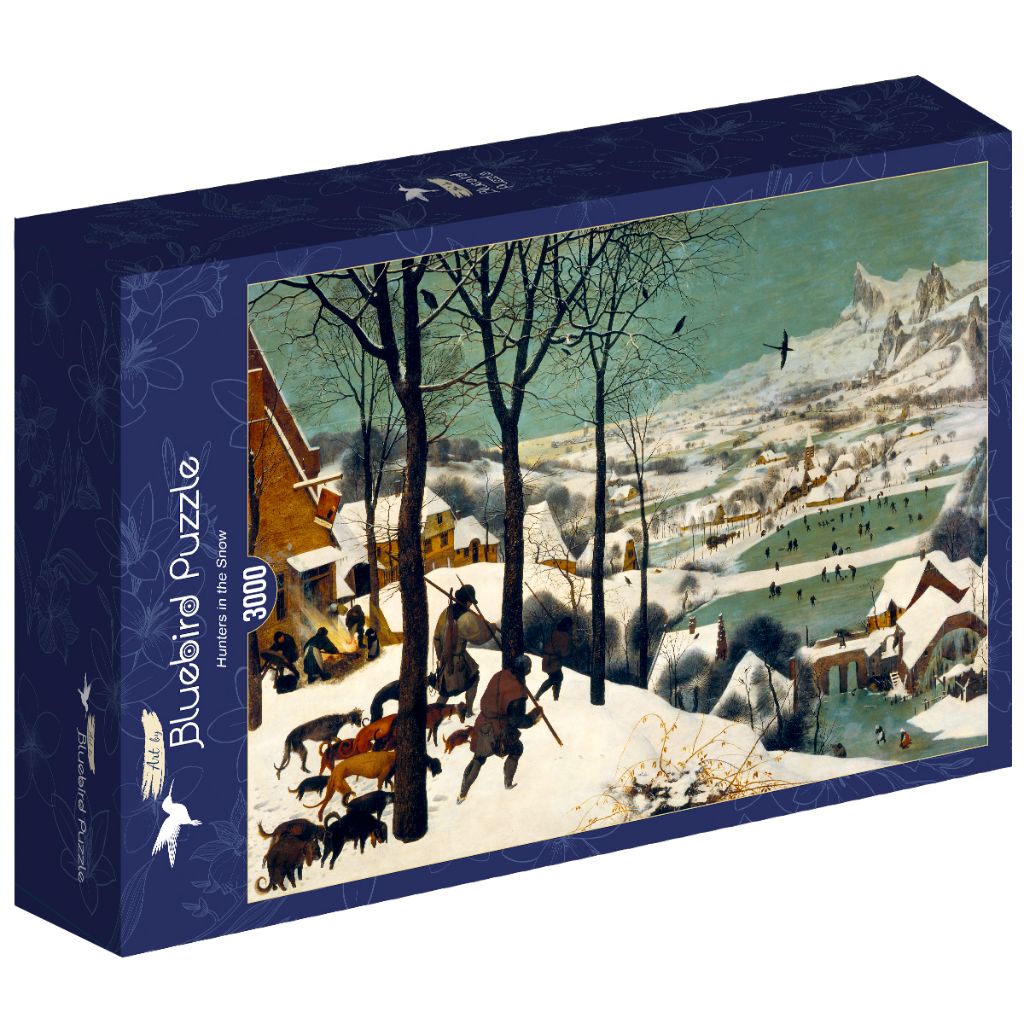
In 1563, he left Antwerp to move to Brussels, where he died on September 5, 1569. He remained active until his death, when his children Jan and Pieter continued his legacy. After beginning his career by copying Jérôme Bosch, Brueghel developed his own personal style.
In fact, he painted the life of peasants, the simplicity of their way of living immersed in nature. The precision of details allows a realistic view of life at the time.
“Nature was wonderfully fortunate in her choice when, in a dark village in Brabant, she chose the talented and witty Pieter Breughel to paint her and her peasants, and to contribute to the eternal fame of painting in the Netherlands.”
The works of Bruegel the Elder are full of details and movements that are at times frantic, at times barely hinted. Bruegel’s paintings identify drawing as a valid tool for developing visually striking solutions, thanks to careful study, even from life.
Just think of the sketches made during his return from his trip to Italy, in the heart of the Alpine landscapes of the natural world, later reinterpreted into forms mixing real and imaginary features.
It was this versatility, skillfully handled, that allowed him to create the roughly forty surviving works, from the mighty Tower of Babel to the Massacre of the Innocents and the Peasant Wedding.
Bruegel died in Brussels in 1569 and was buried in the church of Notre-Dame de la Chapelle, where his wedding had been celebrated, leaving the world a long legacy of painters.