

Home / What makes a work of art classic? Reflections on beauty, time, and meaning
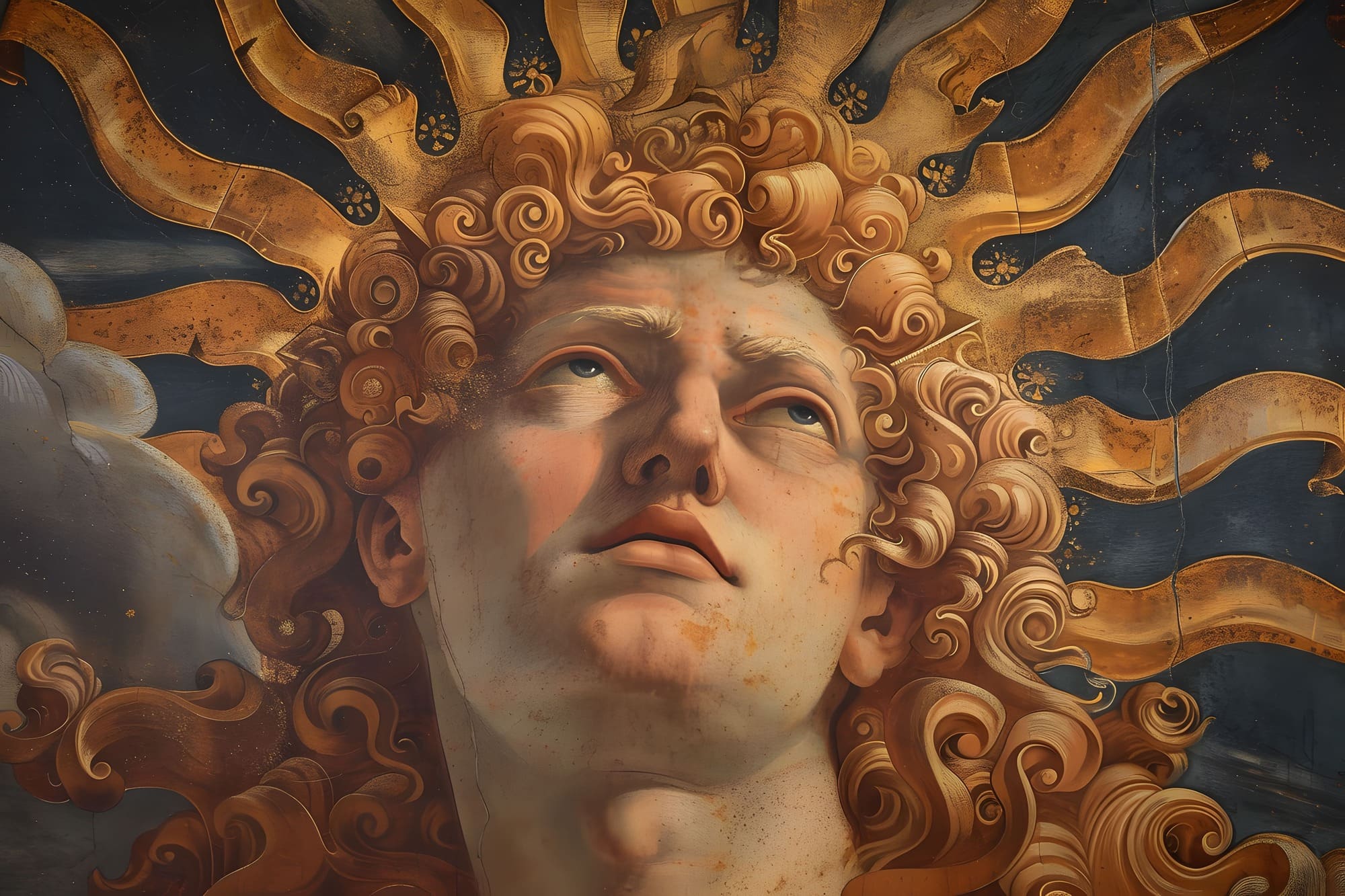
There are images that span the centuries without losing their power, works that still speak to us today, despite having been created in distant times, with tools and sensibilities different from ours.
But what really defines a classic work of art ? What are the elements that make it timeless, recognizable, and universally appreciated?
The answer is not unequivocal, but there are recurring characteristics that transform a simple masterpiece into a staple of visual culture.
A work of art becomes classic when it manages to convey meanings that remain valid beyond the era in which it was created . Human emotions, such as love, grief, wonder, or faith, are translated into images with such expressive power that they remain comprehensible even centuries later.
Michelangelo ‘s Creation of Adam , for example, continues to impress with its perfect composition and the emotional intensity captured in the gesture of two fingers almost touching. It’s a powerful symbol that continues to inspire, reinterpret, and reference.
Another characteristic of classical artwork is technical mastery. Painters like Leonardo da Vinci and Raphael achieved levels of refinement that are still studied and admired today.
Beauty, in these cases, arises from the artist’s ability to transform matter into emotion , through harmonious proportions, plays of light, balanced compositions.
It’s not just about manual skill, but a visual intelligence that guides the eye and creates an aesthetic experience that leaves its mark.
Many classical works of art have become cultural icons . You don’t have to read the title to recognize La Gioconda , The School of Athens , or The Birth of Venus .
These are images that exist outside the museum, present in books, advertisements, and everyday cultural references. Their strength lies precisely in their ability to take root in everyone’s memory , even those who have never studied art history.
A classic is also something that generates new beauty . Classic works of art have inspired centuries of artists, writers, filmmakers, musicians, and creative minds.
The dialogue between past and present, between the original and its reinterpretations, demonstrates how these masterpieces are still alive. A work is a classic when it continues to generate questions, emotions, and new visions .
On our site you can find a curated selection of puzzles inspired by the most beloved classical works of art : from Michelangelo to Leonardo, from Botticelli to Raphael.
Reassembling one of these masterpieces is a way to come into direct contact with great art, combining the pleasure of play with aesthetic contemplation.
Each puzzle is printed with attention to detail, on durable and tactile materials. It’s designed for those who love to slow down, observe, and piece together. Piece by piece, the image comes to life and becomes a tangible experience.
Why does a classic still speak to us today?
Perhaps because it reminds us who we are, where we’ve been, and what we seek. Perhaps because it offers us a refuge in beauty, in the enduring, in the essential.
Or maybe it’s because a classic work of art simply has the ability to surprise us, even when we think we already know it.
Whether to be observed in a museum or reconstructed on your own table, a classic is an encounter that never ends .