

Novità!
The development of a child’s coordinative, motor and relational abilities takes place through play.
It is precisely through play that we learn, have fun and develop passions.
At Puzzle Arte we want to give adults and children the opportunity to become passionate about art precisely through the creation of artistic puzzles of great value.
We will now describe the various types of puzzles for children.
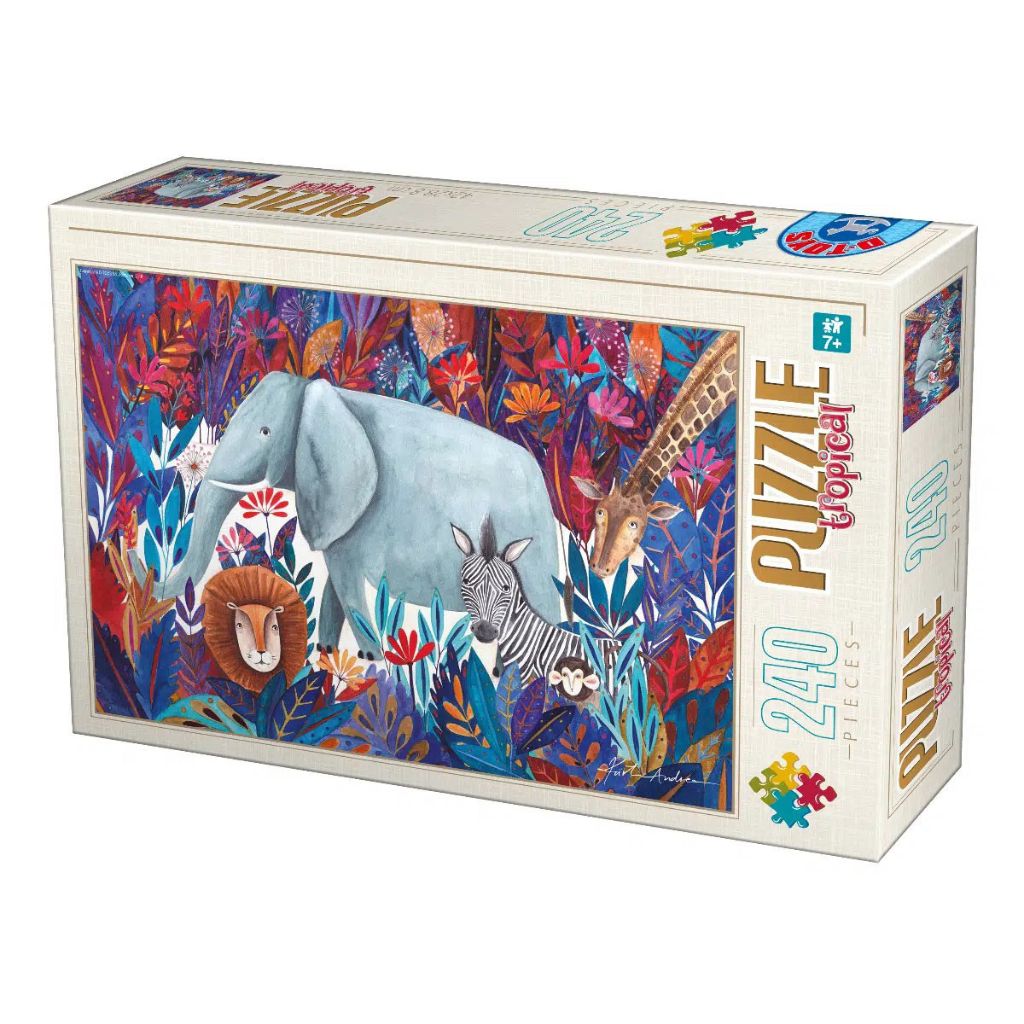
There are various types of puzzles for children available on the market, with few pieces but of large size, to facilitate identification and handling.
Depending on the age or ability of the child, easy puzzles with cheerful images and the right level of difficulty are chosen.
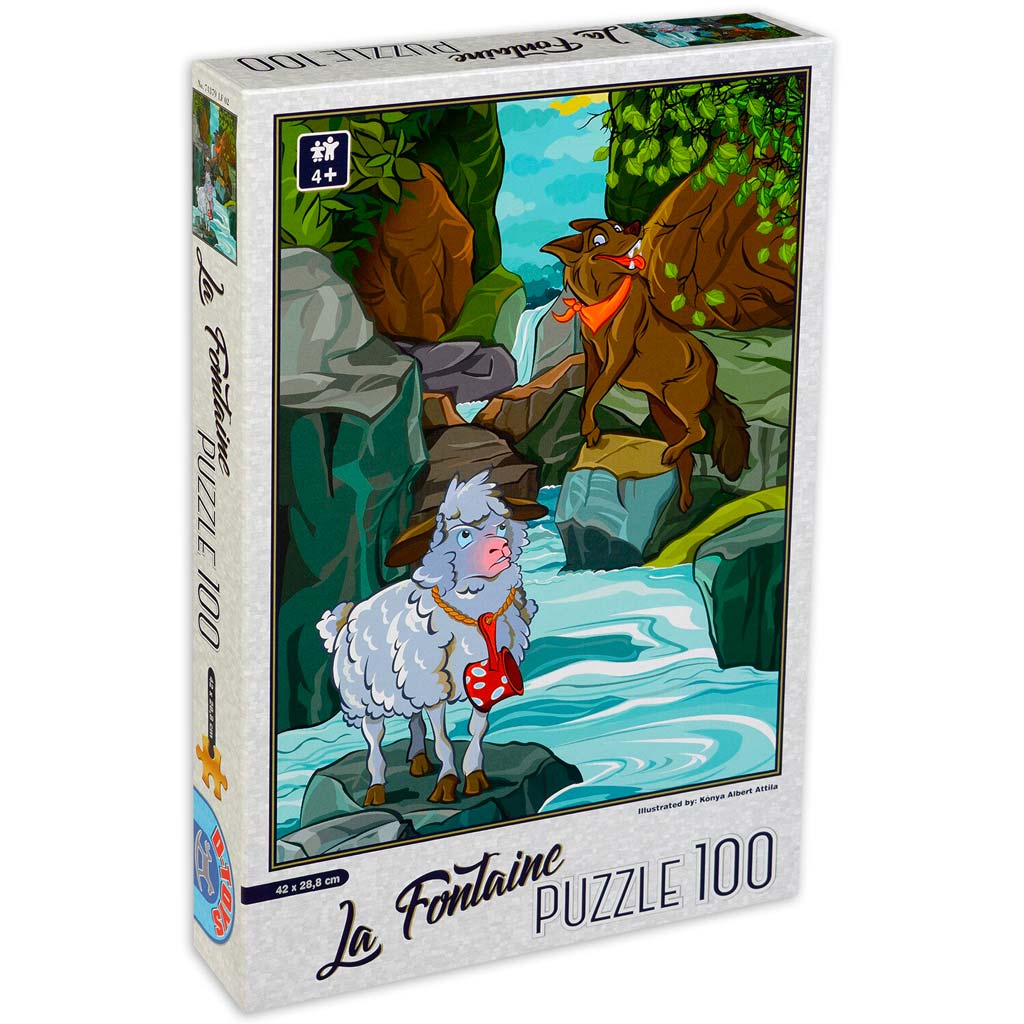
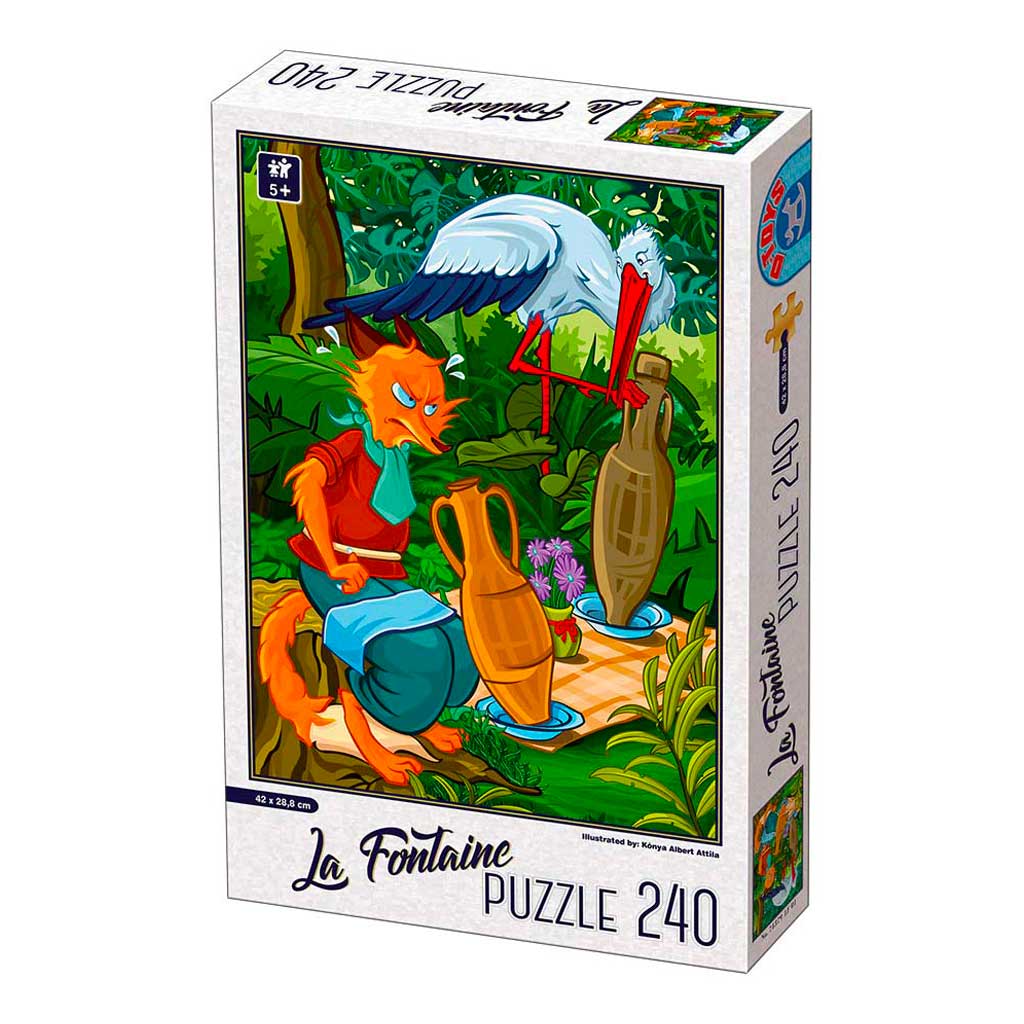
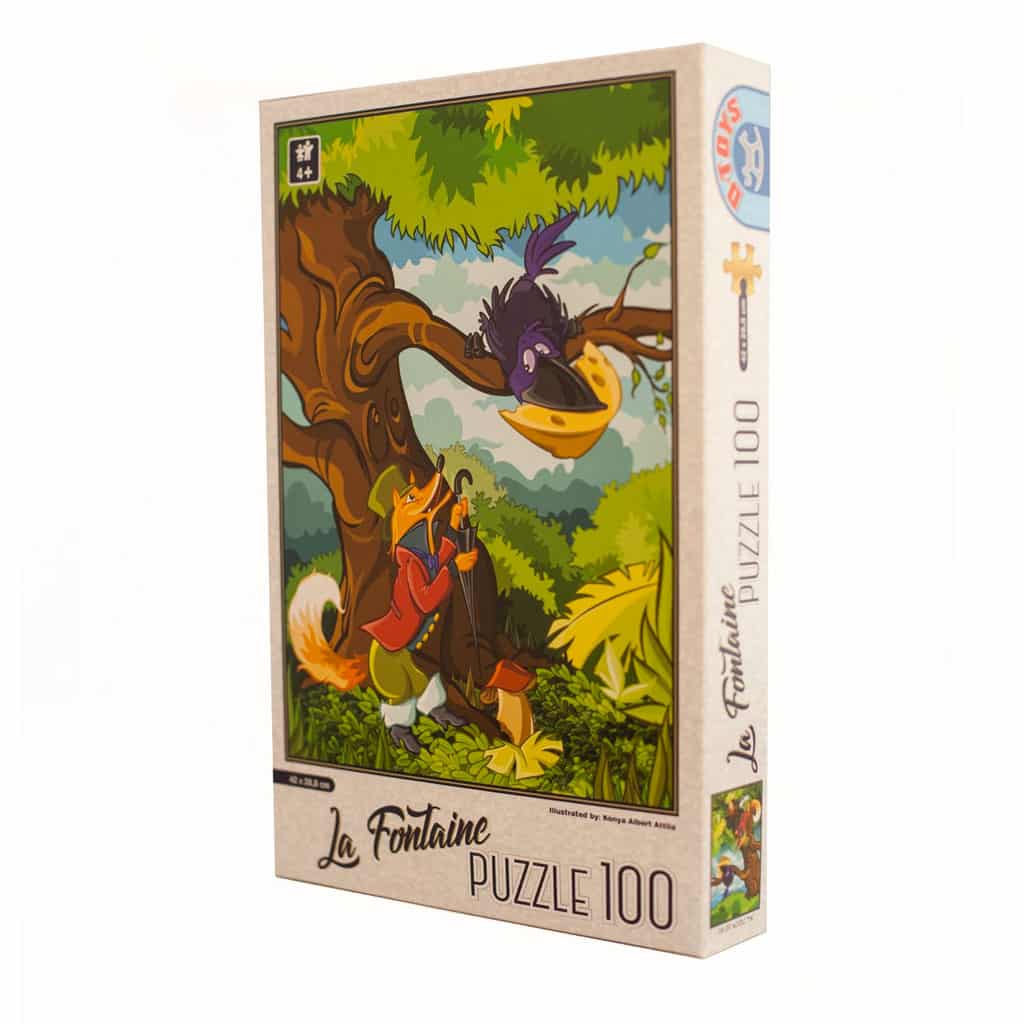
The art puzzles for children that we offer on our website are 100 pieces and 240 pieces, suitable for children aged 4 and 5.
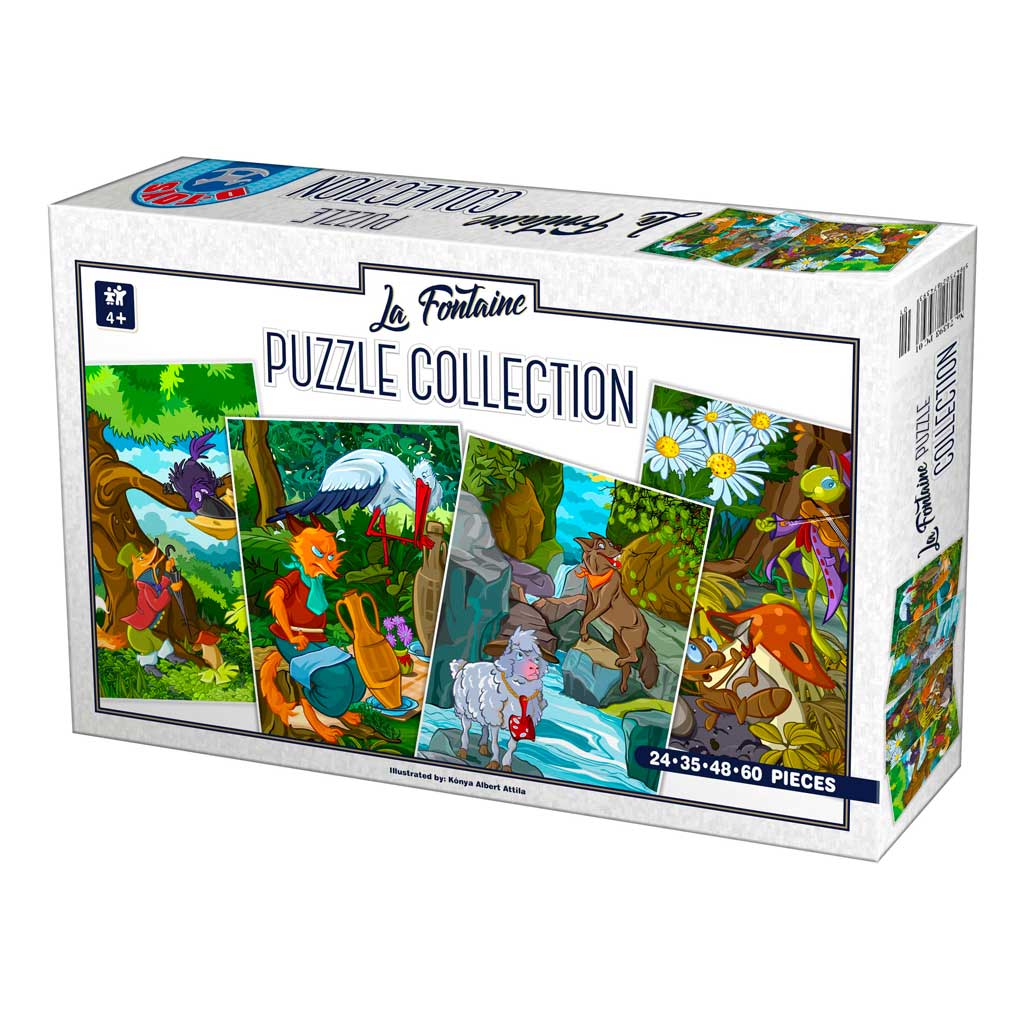
In addition, the puzzle collection version is also available, containing 4 puzzles with 24, 35, 48 and 60 pieces.
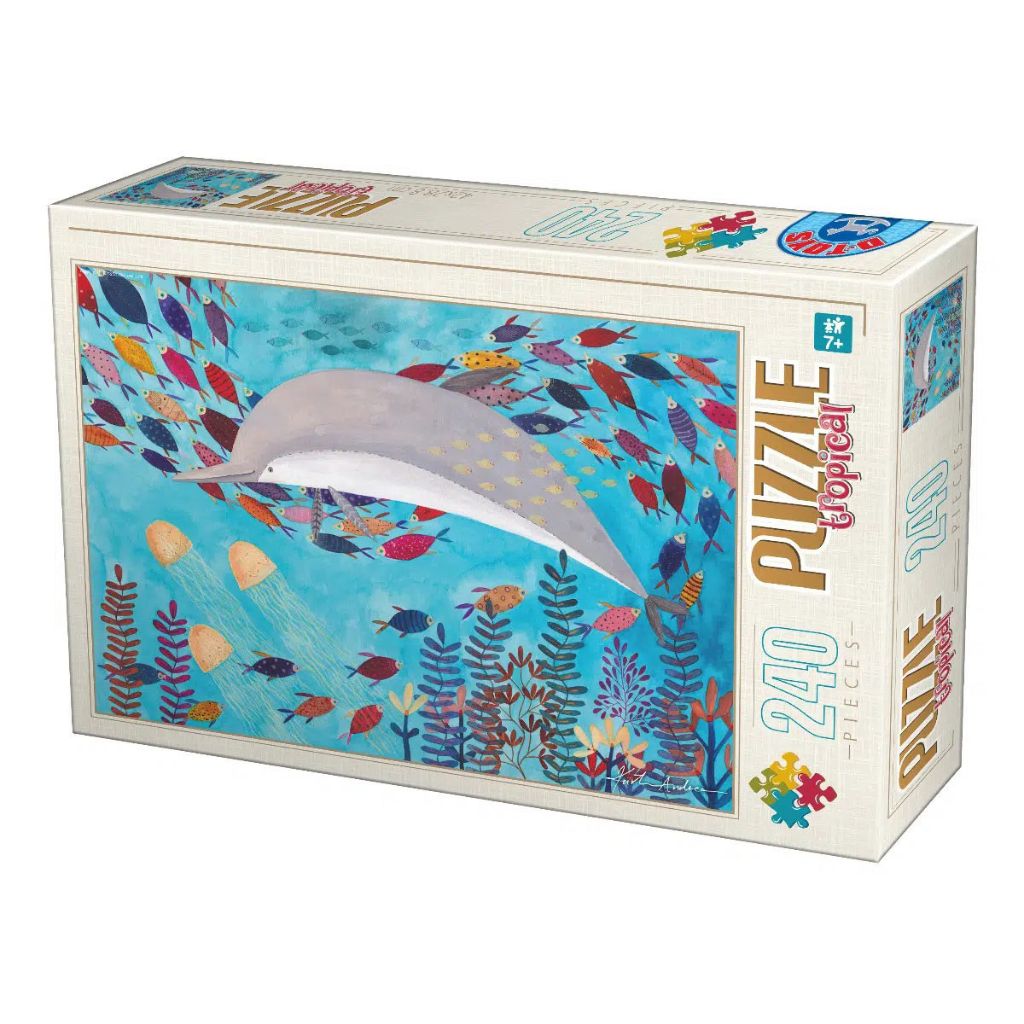
We could have offered many types of puzzles suitable for children, but our aim is to introduce art into play and make it an integral part of the beauties of life.
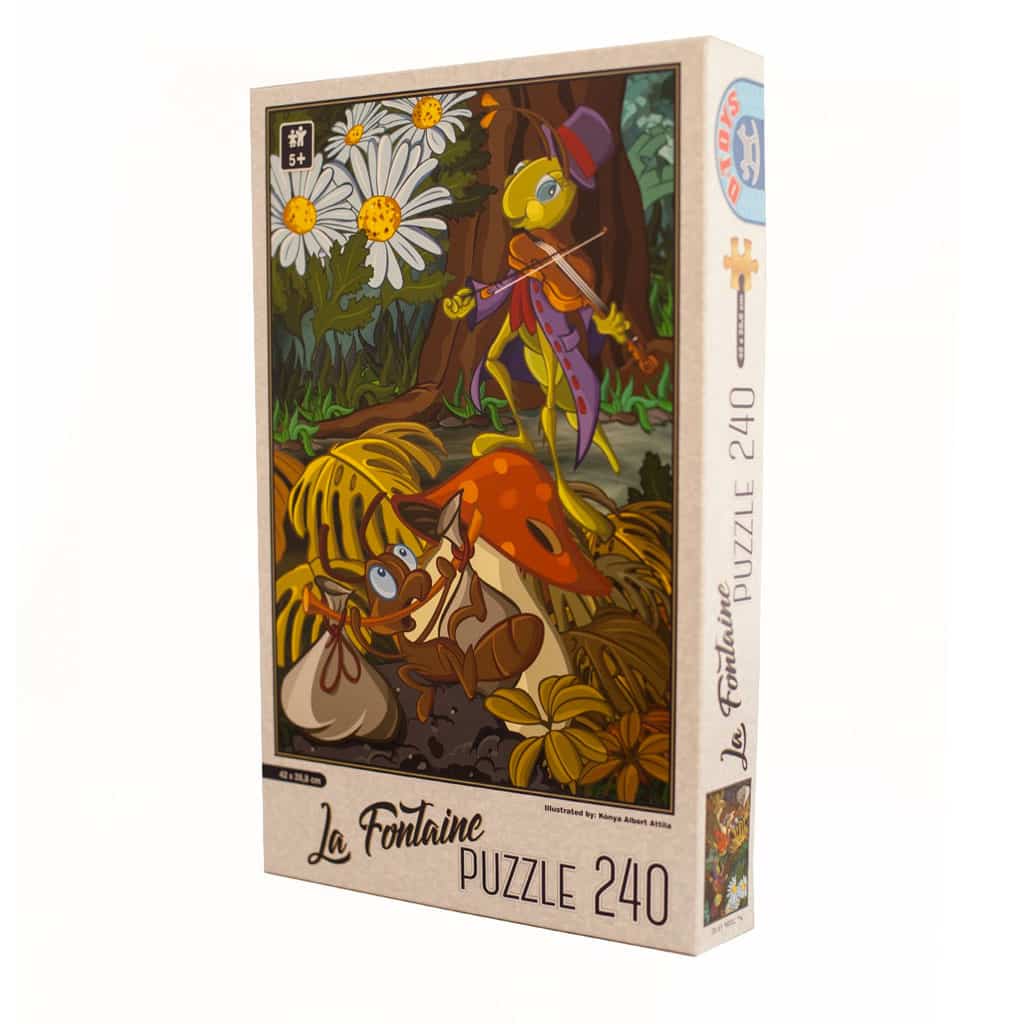
The puzzles for children we have selected, belonging to the Romanian brand D-Toys, a producer of puzzles and educational games, depict some scenes from the fables of the writer and poet Jean de La Fontaine.
The Fox and the Stork, The Cicada and the Ant, The Crow and the Fox, The Wolf and the Lamb are the famous fables of the French storyteller featured in the puzzles.
La Fontaine’s Fables feature animals as protagonists, symbolizing the defects, vices and virtues of humanity.
For example, the turtle represents slowness and wisdom, the hare speed and superficiality, the fox cunning, the lamb weakness, while the wolf represents danger, and so on.
It is therefore the human comedy that La Fontaine wanted to represent through these small ironic scenes.
While building the puzzle, you can tell the child the entire fable and leave the little one free to identify and appreciate the scene they have created.
The puzzle game is one of the oldest and most enduring games, allowing collaboration between several people, especially between parent and child.
Moreover, we are talking about a type of game that allows children to develop many cognitive abilities. Visual memory, hand-eye coordination and manipulation are the first activities that come into play when starting to play.
Then attention and concentration come into play. Finally, as the puzzle gradually takes shape, emotions full of self-esteem and excitement arise, useful for stimulating children.
Would you ever have said that, in addition to the benefits mentioned above, doing puzzles also develops curiosity, logical thinking and descriptive language in children?
Indeed it does.
When a child completes puzzles with scenes from well-known fairy tales, they activate their visual memory by recognizing the sequence of the story. In fact, they then tend to tell the story from beginning to end with great enthusiasm.
Furthermore, according to a study by the University of Chicago, by completing a puzzle the child has the opportunity to develop scientific thinking and to tackle demanding and school-related activities, such as mathematics exercises.
Play is the main tool through which a child expresses their identity and develops their knowledge, even the most complex.
In fact, during play children carry out a very serious activity, which can be compared to the activity of an adult passionate about what they are doing.
It is therefore important to offer children types of play that stimulate their intellectual abilities, as well as their curiosity and their desire to learn new things every day.