

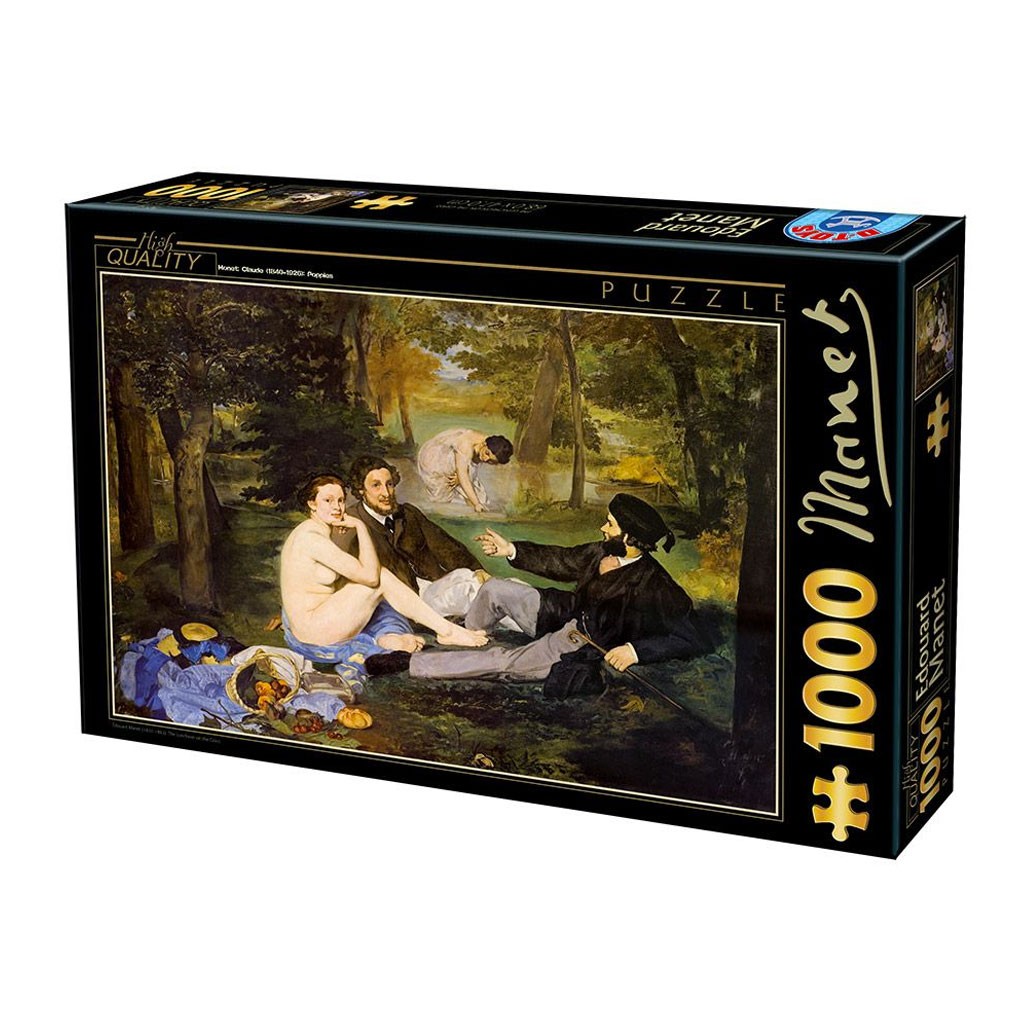
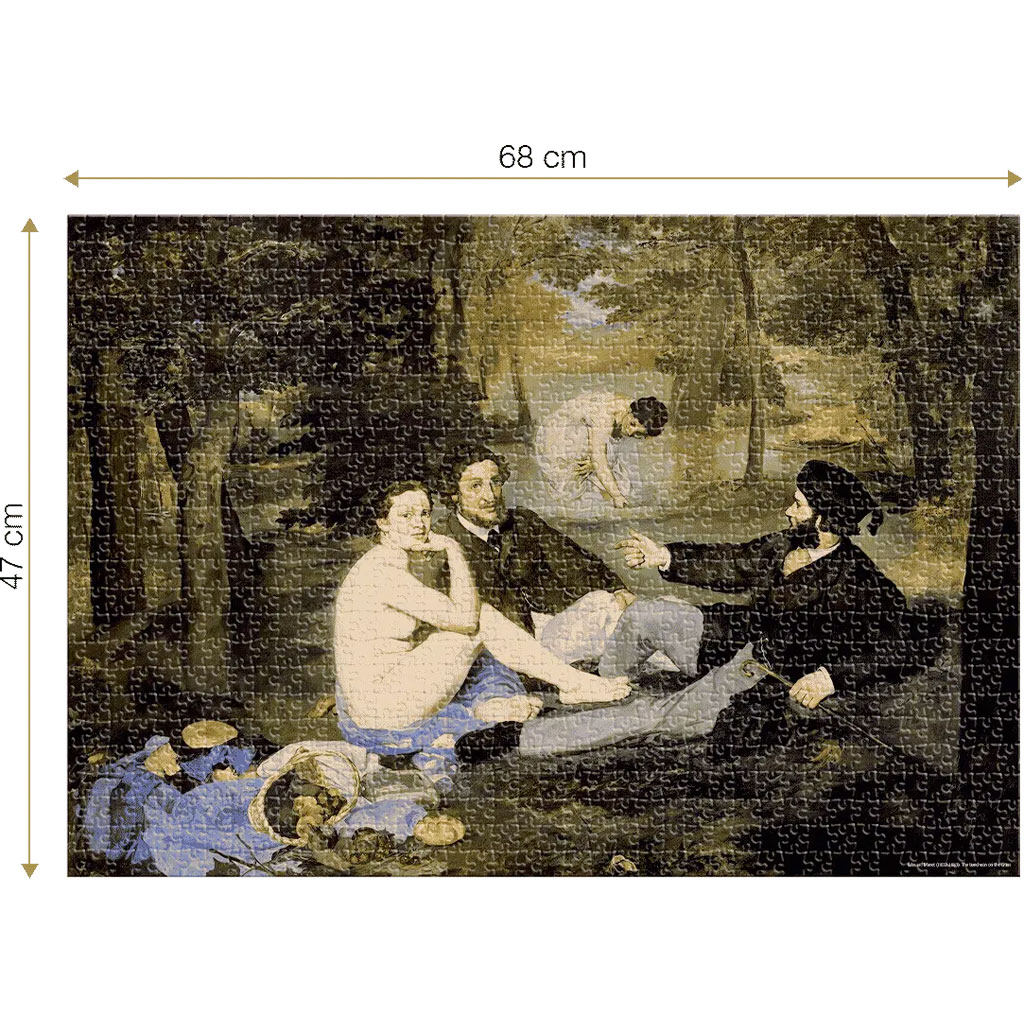









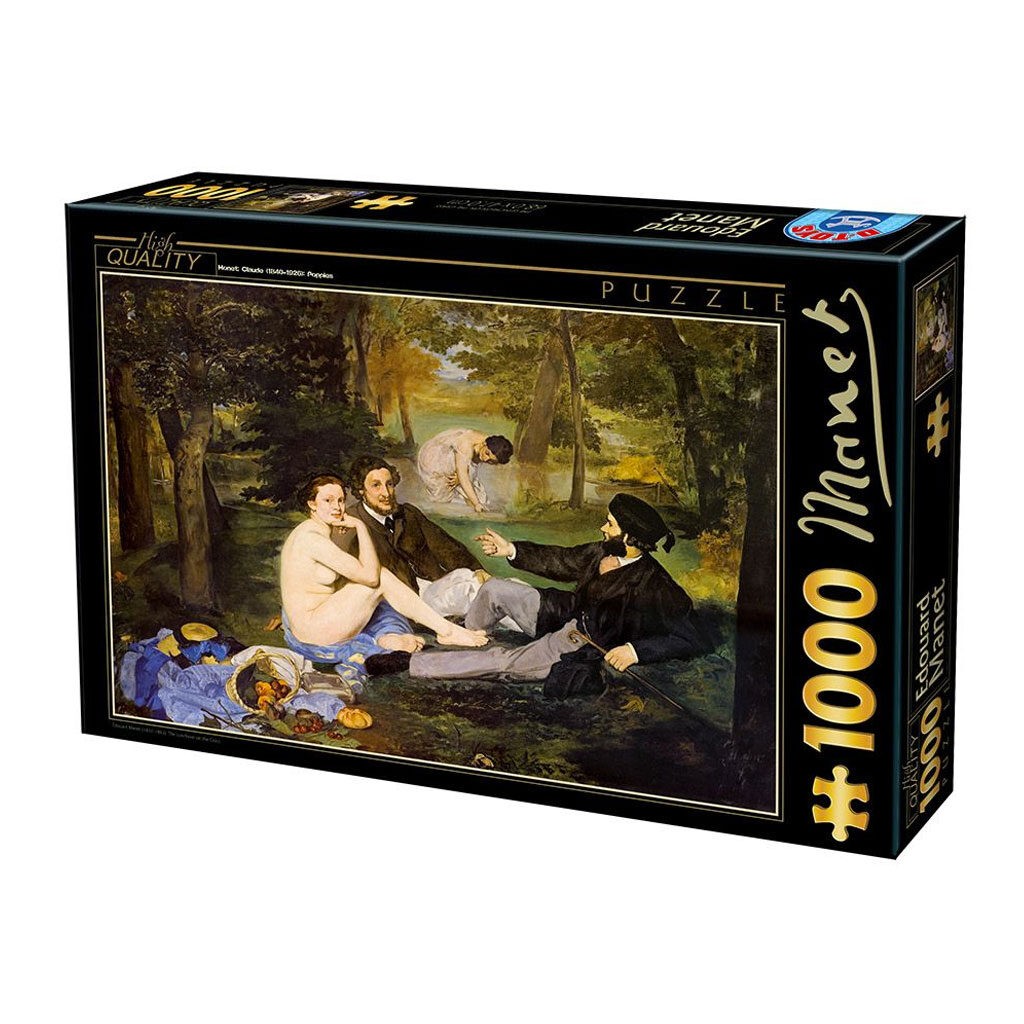
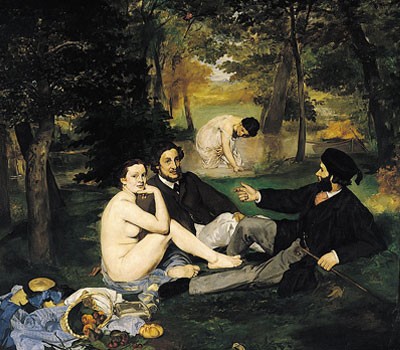
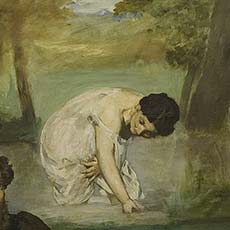
The criticism, however, was not limited to the subject matter, but extended to Manet’s painting technique, which was accused of failing to master either perspective or chiaroscuro, which were considered the painter’s two main tools. Eugène Delacroix himself, the undisputed patriarch of Romantic painting, stated that in The Luncheon on the Grass
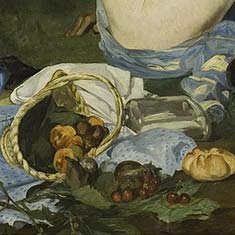
the harsh color penetrates the eyes like a steel saw and the fact that the characters stand out all in one piece with a crudeness that no compromise can soften has all the harshness of those fruits that will never ripen.
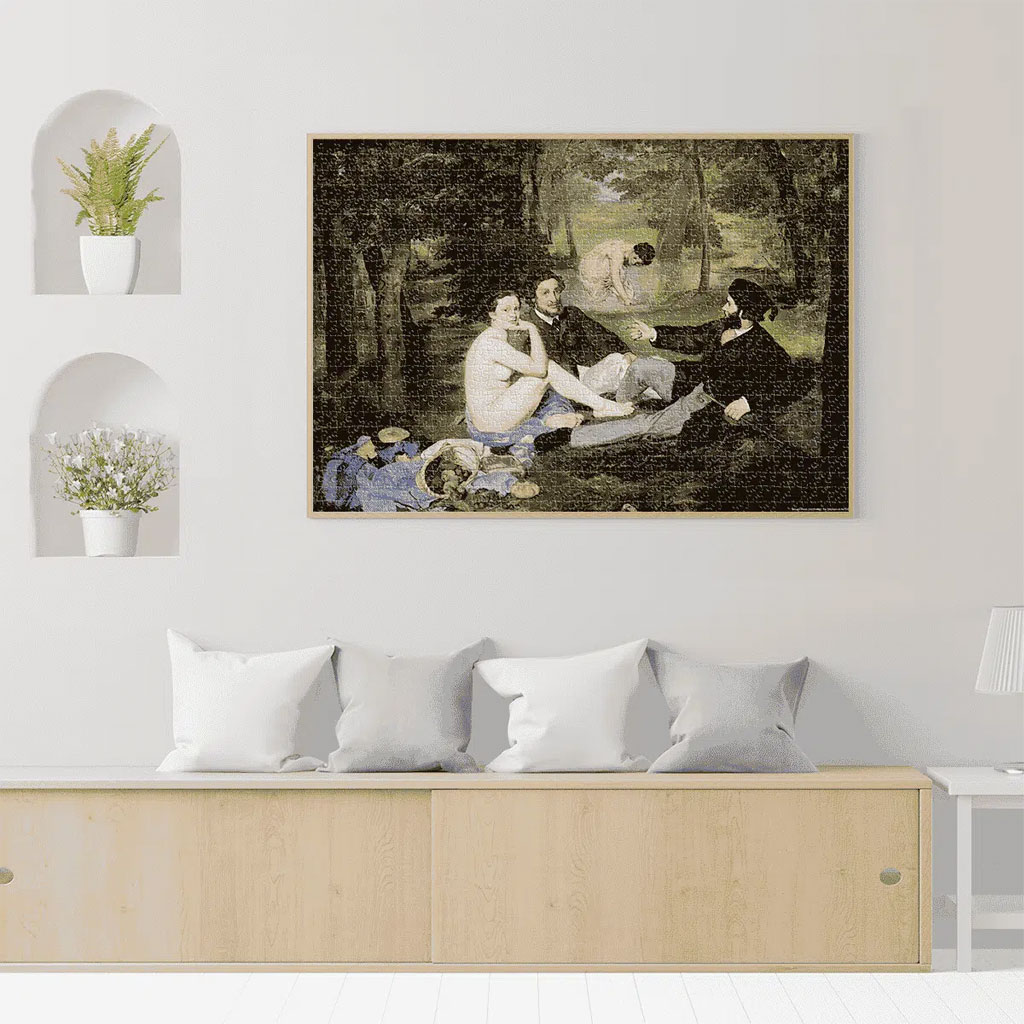
Observing the painting, we see how the characters and the background are treated differently, almost as if the former were cut out and pasted onto the latter, as if they were figures devoid of their own volume and consistency. The sense of perspective depth, moreover, is not provided by the drawing, but by the successive planes of trees and foliage, placed one above the other like a theatrical backdrop, creating areas of light and shadow more through superimposition than through the use of chiaroscuro.
Finally, the colors are applied with quick brushstrokes, juxtaposing warm and cold tones to create that simultaneous contrast that makes them mutually more lively and bright.
The atmosphere of the painting is therefore fresh and luminous. With it, Manet proclaims himself a painter of sensations, no longer of characters or allegories, and this earns him, in addition to the expected criticism from official art circles, the admiration of those who will become the artists of the new generation, who from then on will consider him the true inspiration of Impressionism.
 Hot
Hot


Reviews
There are no reviews yet.