







 Hot
Hot
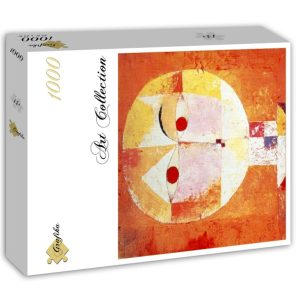
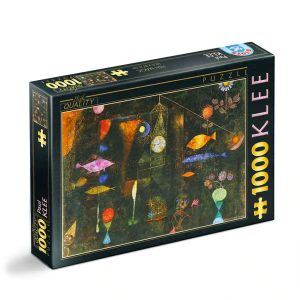


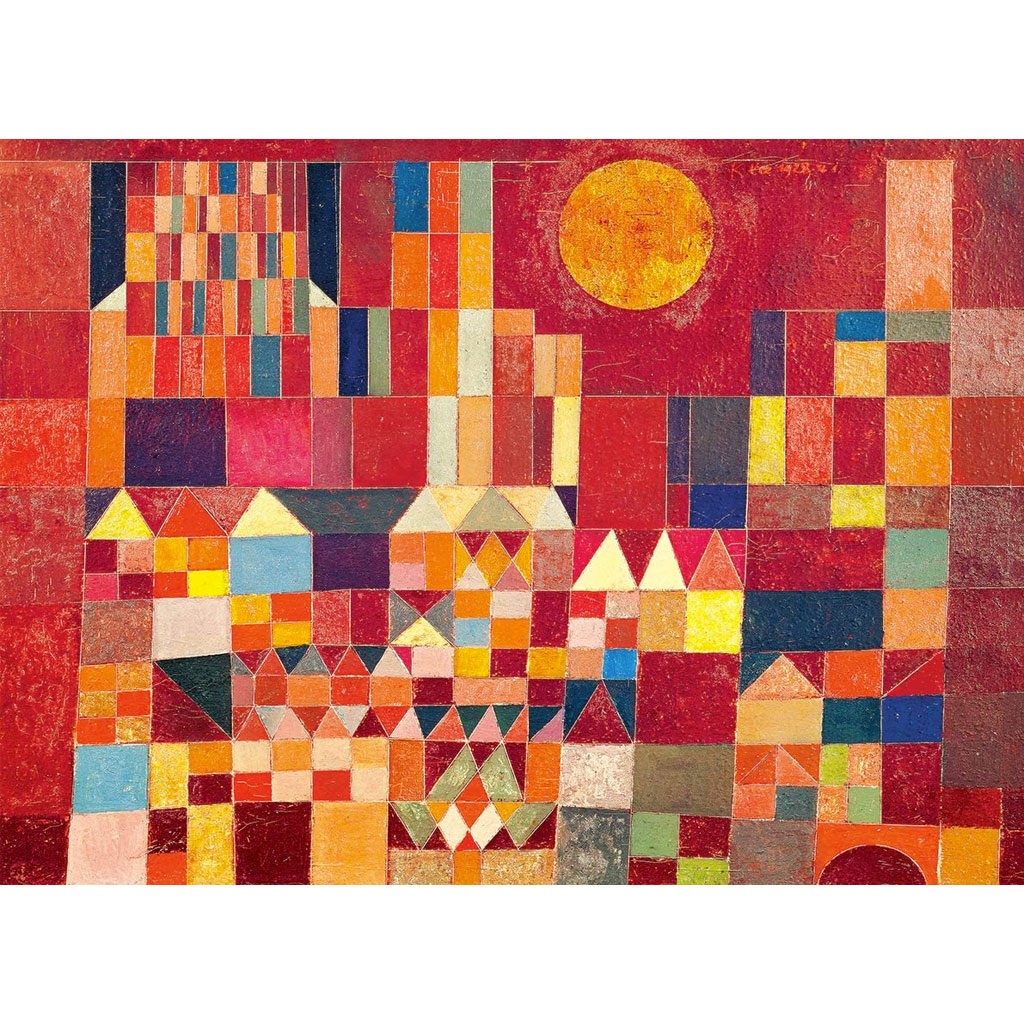
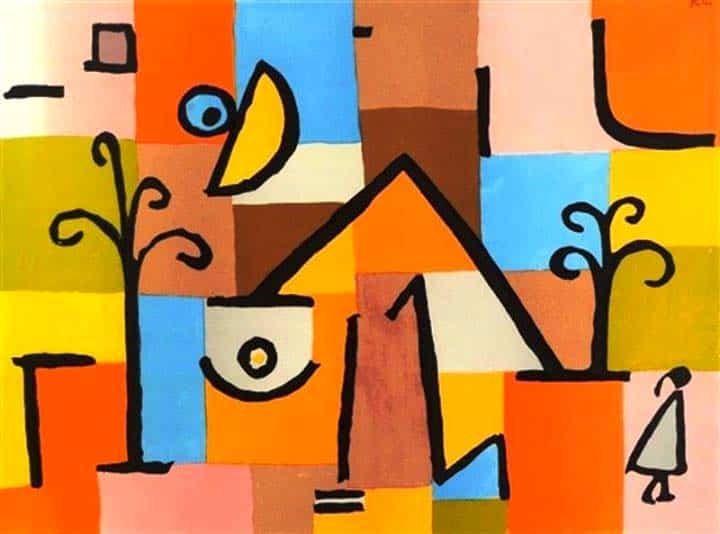
In 1929 Klee put on paper the memories of his trip to Egypt, which he made between 1928 and 1929 , creating a homogeneous series of paintings with similar characteristics.
Egypt is a land where the layout of canals and fields, as well as the structure of ancient monuments, are strictly dependent on geometry . Klee, therefore, adopts a rigidly geometric composition, covering the canvas with horizontal bands of color.
Klee’s Oriental Sweetness
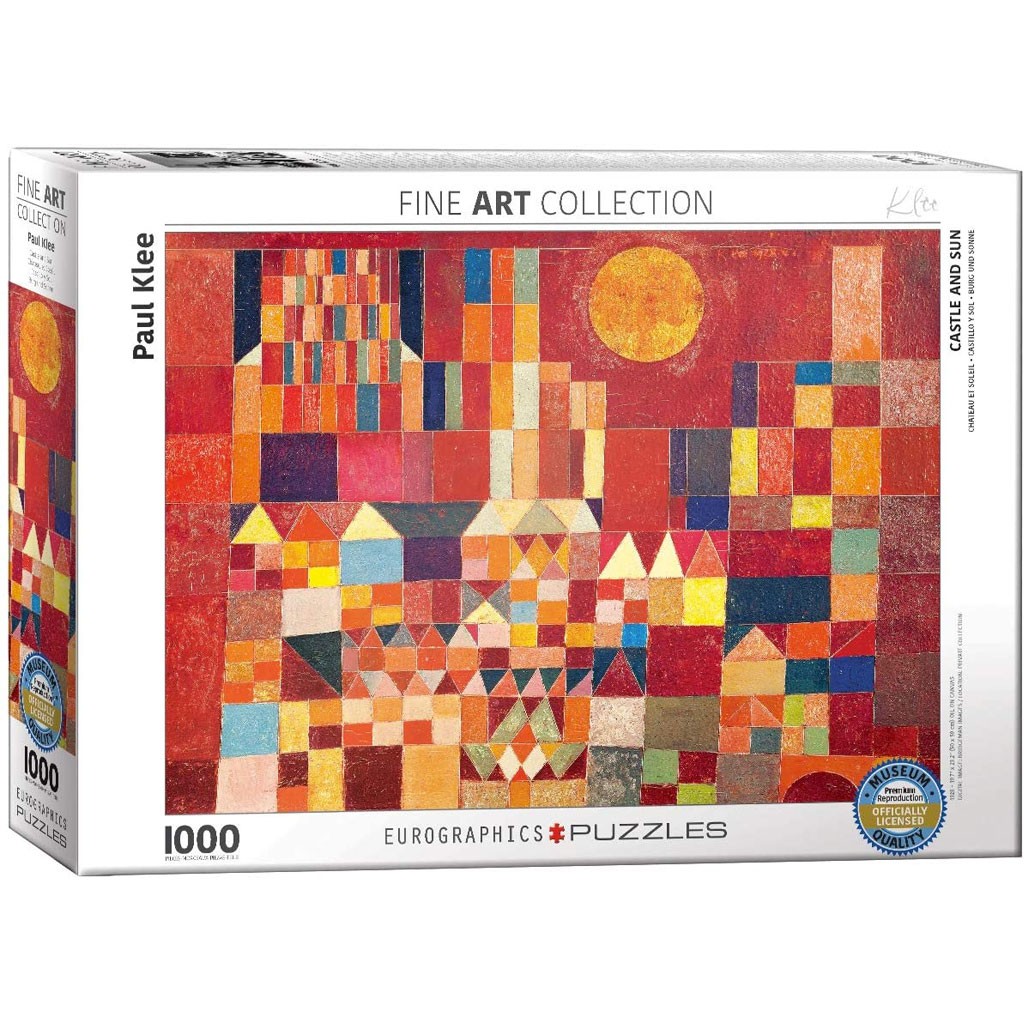
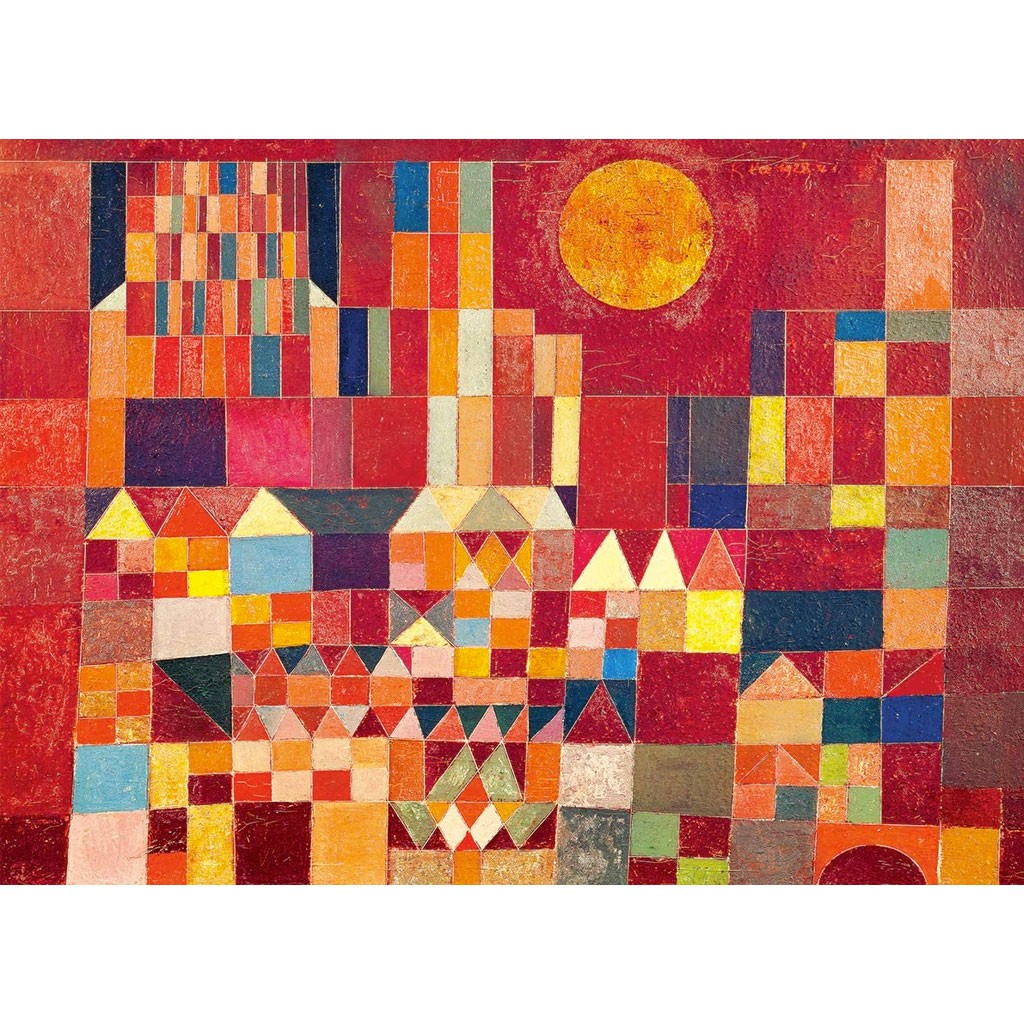
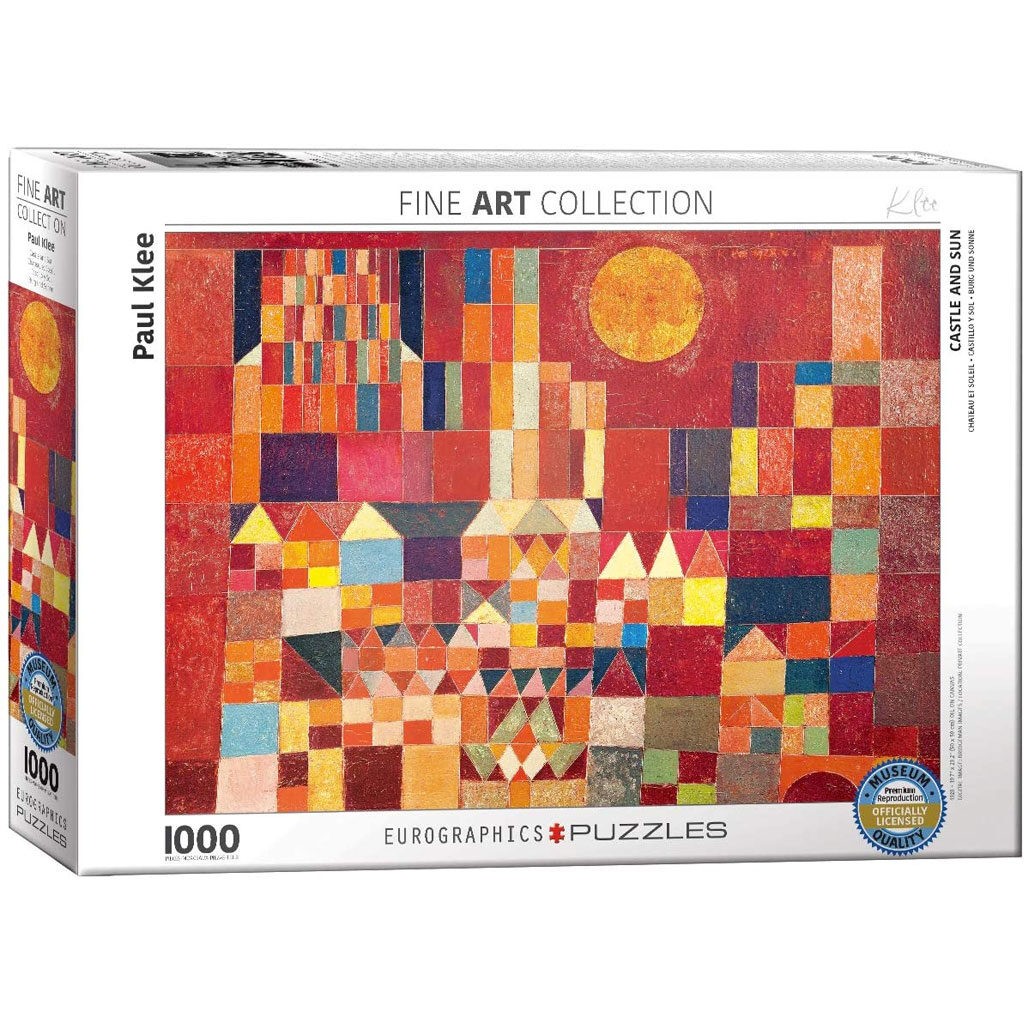
In Fire in the Evening (as in Paul Klee’s Castle and Sun), the fulcrum is the red rectangle slightly to the right of the painting’s vertical axis and close to the center. The horizontal stripes around this figure become increasingly denser or broader.
colored which, read from right to left, suggest respectively the immense desolate space of the desert and the dunes , the great monuments that contrast their advance, and finally the plots of fertile land , irrigated by canals.
If in this work the link with reality is weak and the rendering is completely abstract, in Monuments to G. , another painting of the series, the great pyramids of El Giza (the “G” in the title stands for Giza), easily recognisable, are identified by wedges which interrupt the monotonous repetition of the
horizontal bands and establish a staggered rhythm.