
Novità!
Home / Prado Museum, Madrid
The Prado Museum was founded and opened in 1819. On November 19 it had its first opening as the Royal Museum of Painting and Sculpture.
In fact, the museum celebrated its bicentenary in 2019.
In addition to looking at the past, it was already oriented toward major projects and a future linked to ancient art and its enhancement and protection of artworks.
Their mission for the third century is to attract social groups that are traditionally not drawn to the collections.
In fact, today the museum positions itself as a tool to encourage research studies on gender and minorities or the challenges caused by overcrowding. This function of the museum as a social connector links almost all museums in the world. For this reason, they become not only places of ancient culture, but emblems of social birth and transformation.
For this reason, people have begun to think about campuses and parallel realities, such as the Prado Campus, with the addition of the latest building, the old Buen Retiro Palace.
The great building that houses the National Prado Museum was designed by the architect Juan de Villanueva in 1785.
Its original function was to house the Cabinet of Natural History, by order of King Charles III.
However, the final purpose of the building as the new Royal Museum of paintings and sculptures was the decision of the monarch’s grandson, King Ferdinand VII.
The Museum, soon renamed the National Museum and later the Prado Museum, was opened to the public for the first time in November 1819.
The Prado Museum is known worldwide for housing some of the
most famous masterpieces in the history of art. Among these stand out
Las Meninas by Velázquez, one of the most studied and admired works in the world,
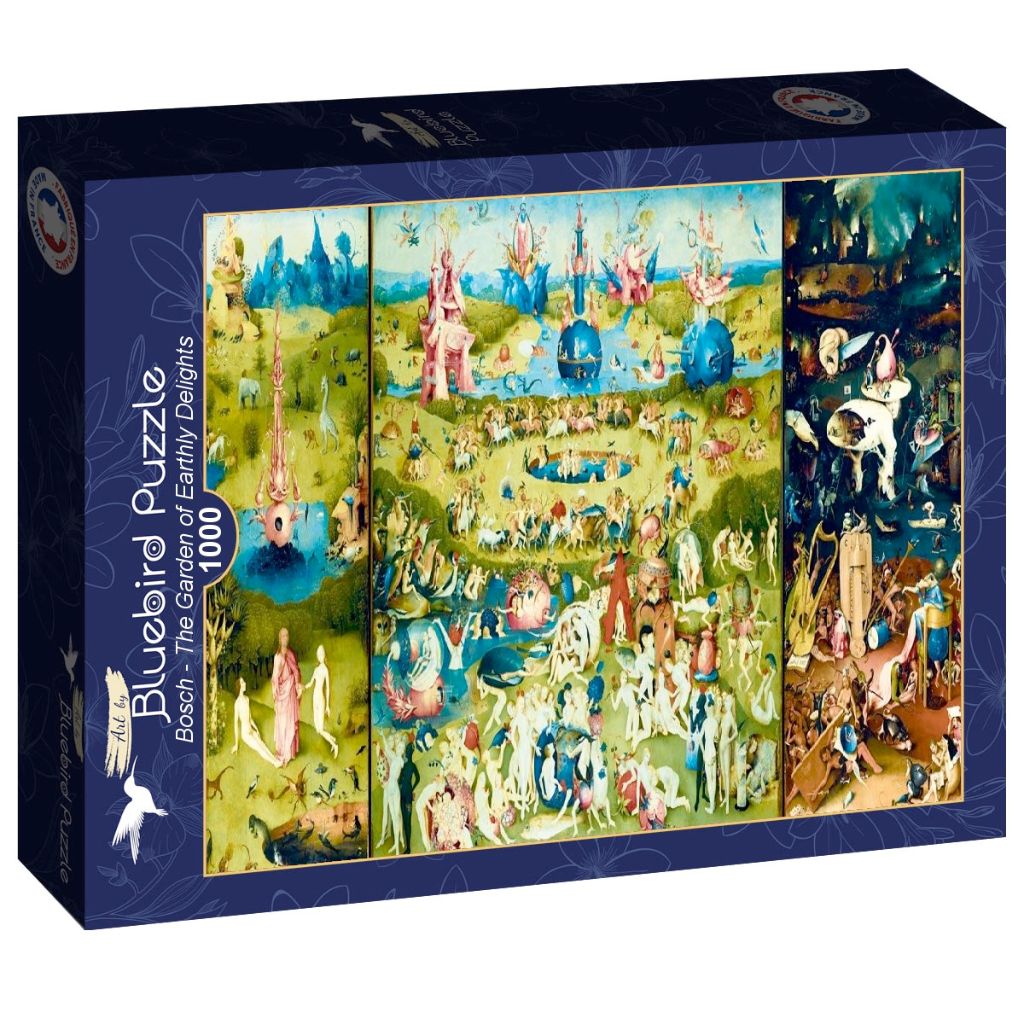
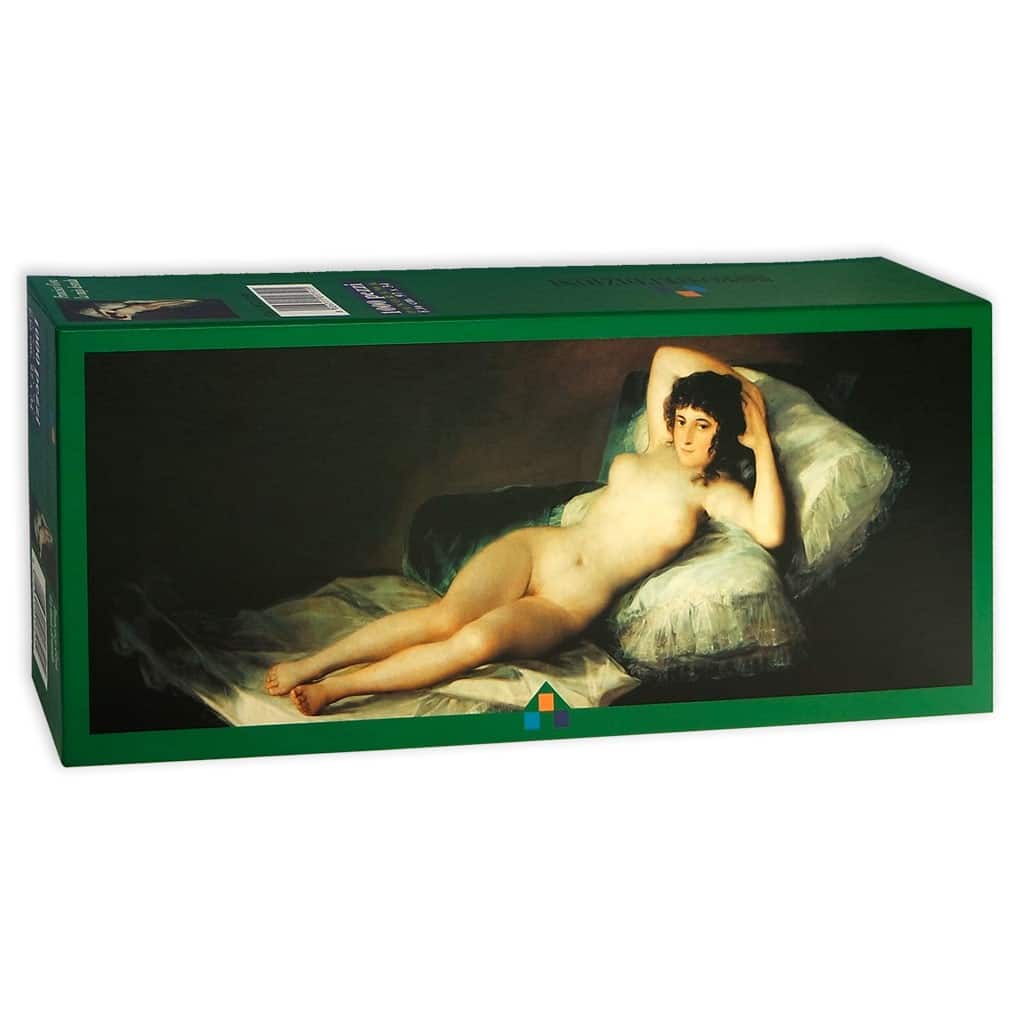
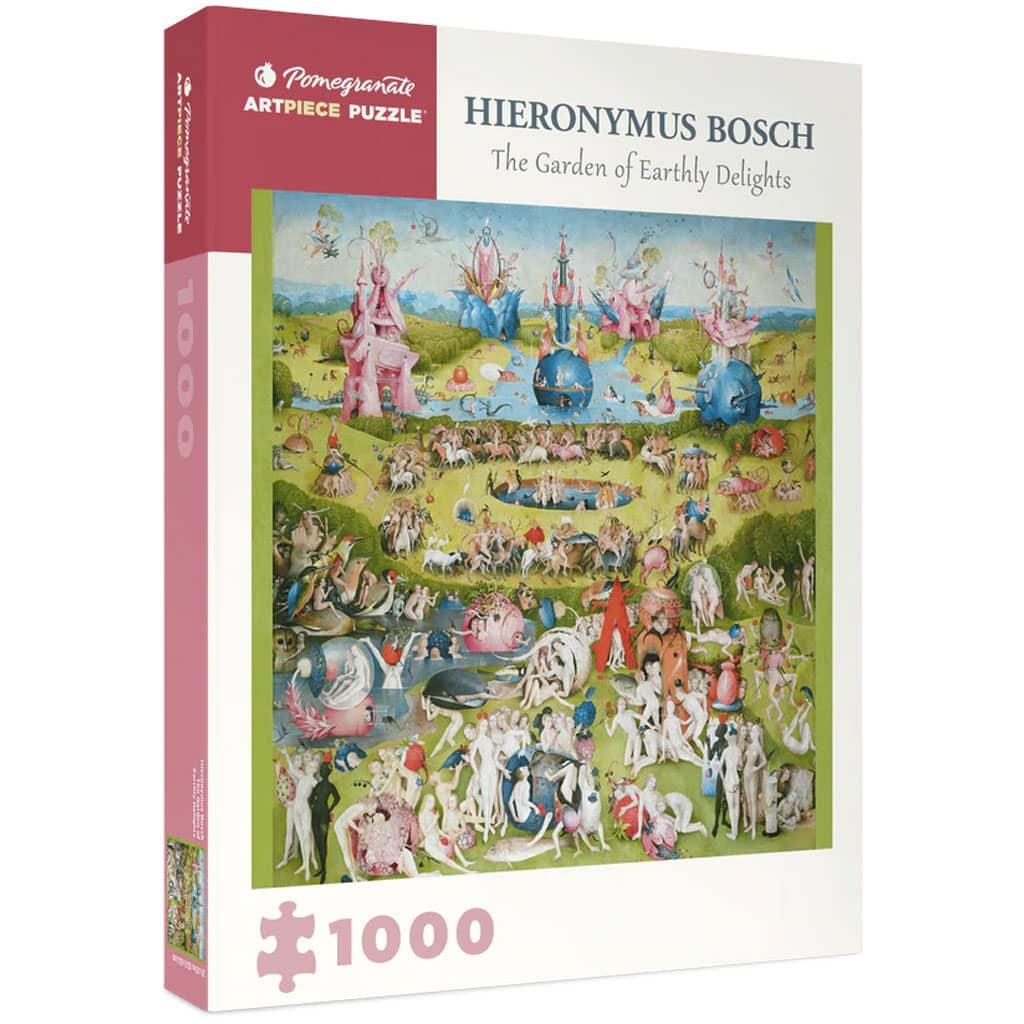
the Majas by Francisco Goya and the magnificent Garden of Earthly Delights by Hieronymus Bosch.
These paintings, together with hundreds of other works, make the Prado a unique museum,
capable of attracting millions of visitors every year.
Visiting the Prado means immersing yourself in over seven centuries of art history,
from medieval works to masterpieces of the 19th century.
The permanent collection includes not only Spanish paintings, but also Italian and Flemish masters such as
Titian, Raphael, Rubens and Van Dyck. This variety transforms the museum into a true
cultural bridge between European art, capable of telling the artistic and social evolution of entire eras.
Thanks to puzzles inspired by the works of the Prado Museum in Madrid you can bring home
a piece of this extraordinary collection.
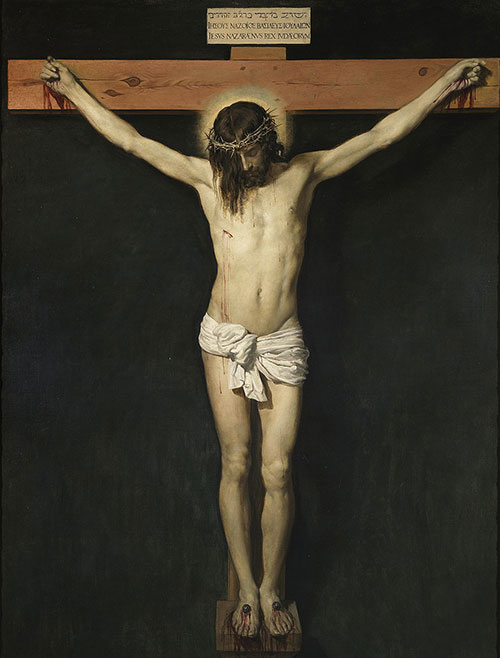
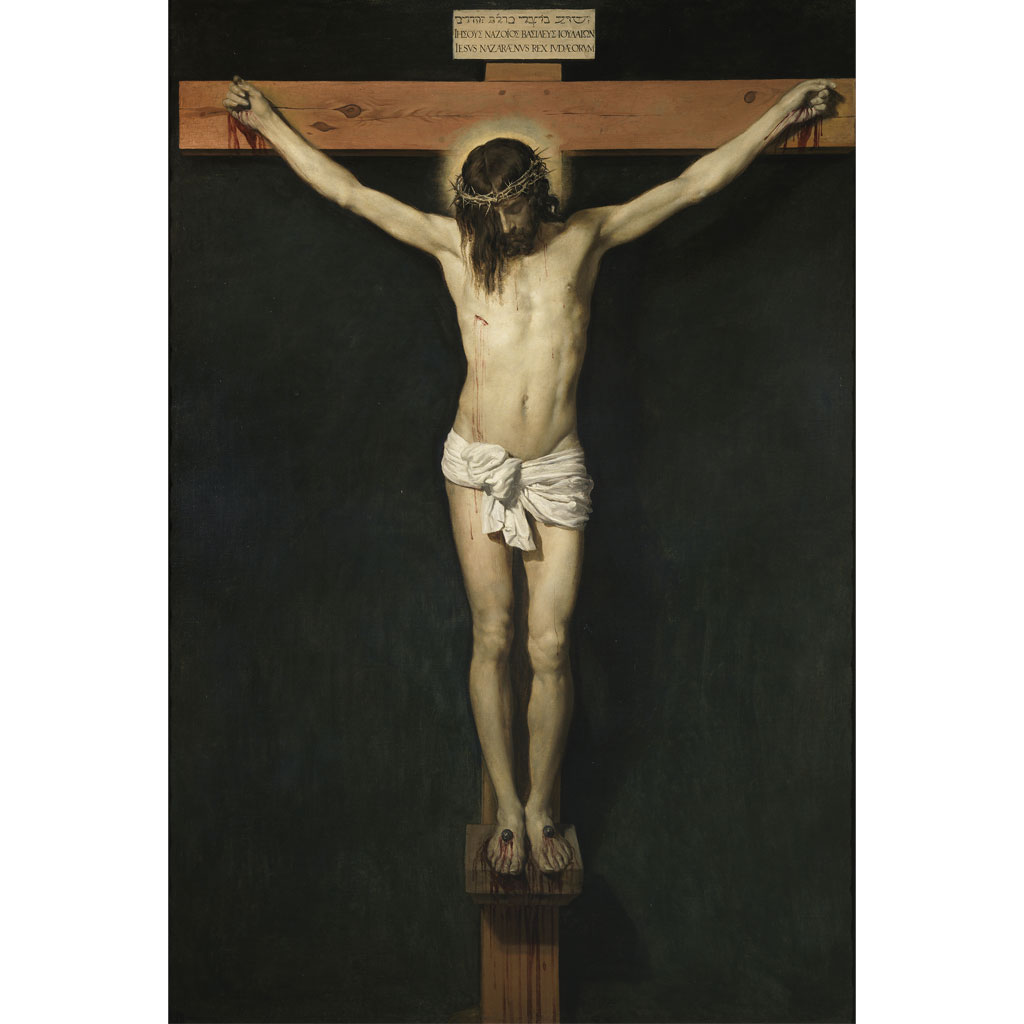
Reconstructing the Garden of Earthly Delights by Bosch, the Crucifix by Velázquez
or the famous Maja desnuda by Goya becomes a unique experience that combines
the passion for art with the pleasure of play and craftsmanship.
Each puzzle thus becomes not only a pastime, but a way to enter into direct dialogue
with the magnificence of the Prado collections.