
Novità!
 Hot
Hot
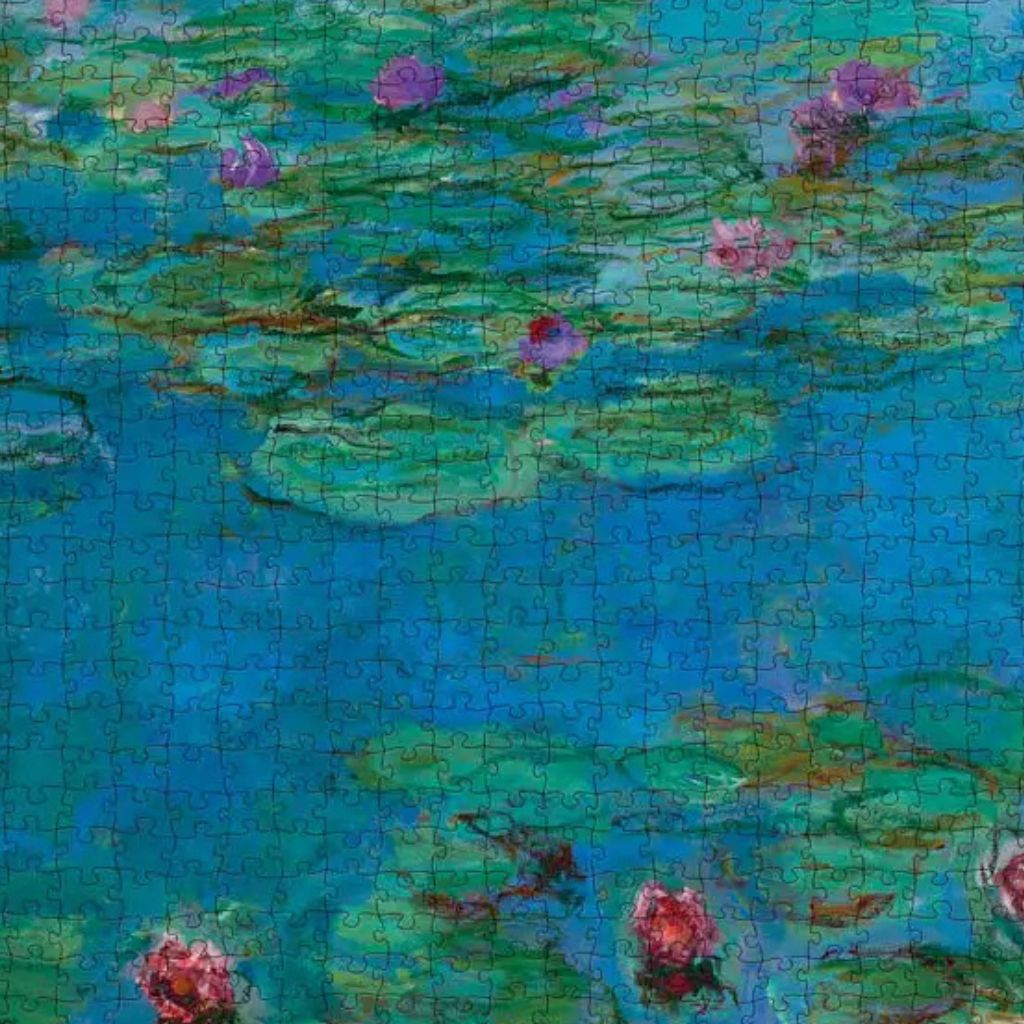
Monet Water Lilies Puzzle
Price range: 19,99€ through 25,00€
Select options
This product has multiple variants. The options may be chosen on the product page
Home / Musée Marmottan Monet, Paris
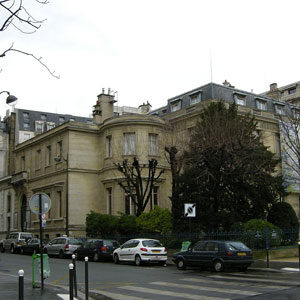
In 1882, the art collector Jules Marmottan purchased his hunting residence.
Upon Marmottan’s death, the elegant palace was inherited by his son Paul.
A lover of art, he collected throughout his life a large number of paintings, prints, drawings, books, sculptures, and furniture of artistic value.
It was he who donated the residence to the Academy of Fine Arts so that a museum bearing his name could be opened: the Marmottan Museum.
After his death, in 1934, the institution was ready to open to the public from all over the world, relying on numerous other artistic donations.
Today it is considered the most complete art exhibition in the world regarding Impressionism, housing numerous masterpieces by Monet.
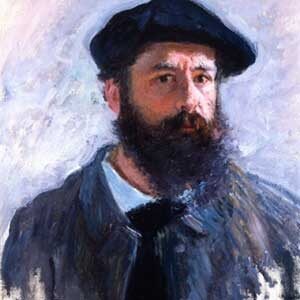
By visiting the house-museum it is possible to admire Empire-style furniture, decorative elements from the Napoleonic era, and 66 works by the artist Claude Monet, considered one of the founding fathers of Impressionism.
The museum complex also hosts works by Renoir, Paul Gauguin, Camille Pissarro, Eugène Boudin, Alfred Sisley and several works by Berthe Morisot, the wife of Manet.
Here it is possible to admire Monet Reading from 1872 by Pierre-Auguste Renoir, and Impression, Sunrise by Claude Monet.
It is at the end of the 1990s that the art center definitively changes its name, when the Impressionist works inside it become one of the most beloved attractions for the public, and it takes on its current name of Musée Marmottan Monet.