

Novità!
Home / MAK, Vienna
The MAK Vienna was founded in 1863 as a museum for art and industry. Indeed, as was common in the nineteenth century, in 1867, next to the museum building, the School of Crafts was established.
For this reason, theoretical and practical training was unified.
In 1993, the museum was restored and expanded; each hall was modernized and designed according to concepts by different artists.
The museum houses furniture and furnishings (artifacts in glass, porcelain, textiles, wood, and precious metals) created from the Middle Ages to the contemporary era. It also possesses scale models of buildings designed by contemporary architects.
The MAK collections are mainly divided into two categories:
The exhibition collection consists of handcrafted works arranged chronologically and according to their geographical origins.
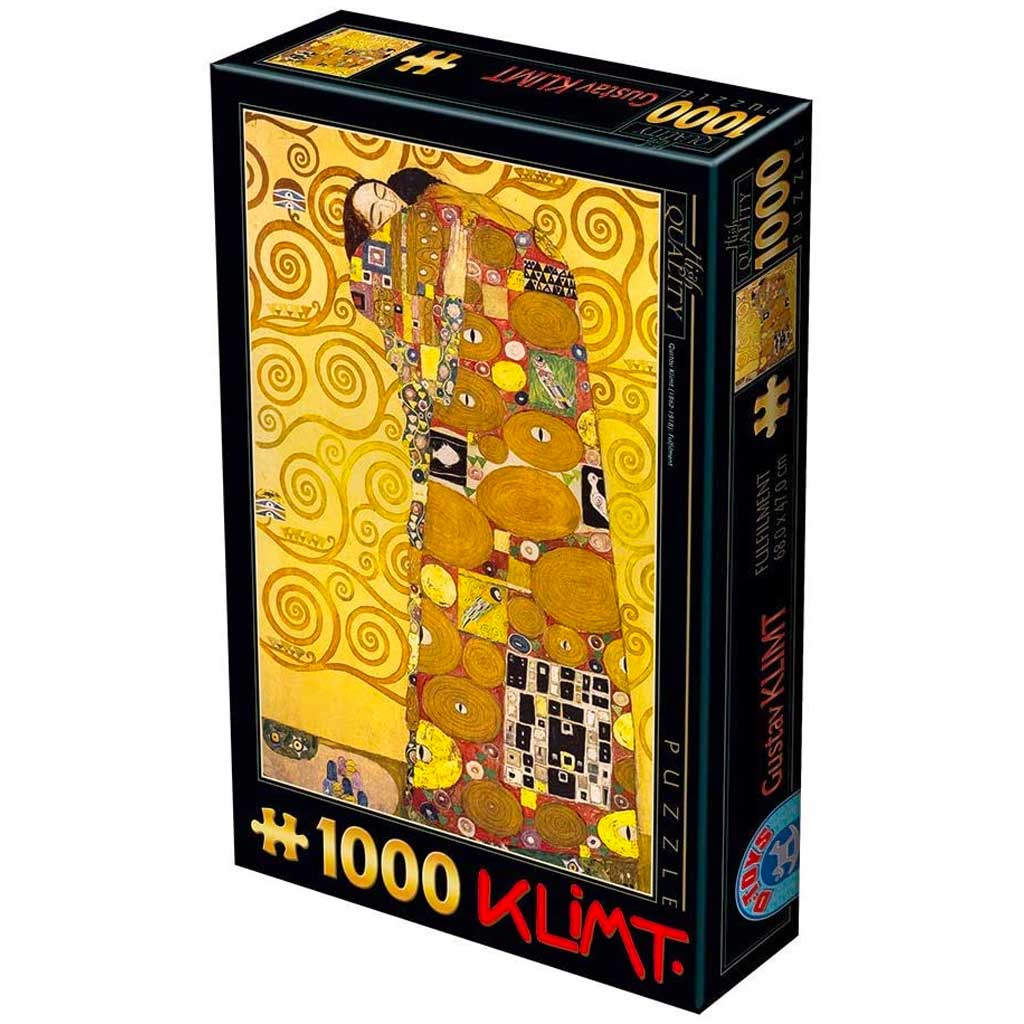
In this section, we find the marvelous furnishings of the Wiener Werkstätte, chairs from Thonet and Kohn companies. We can also admire the magnificent designs by the great master of the Vienna Secession, Gustav Klimt, of a mosaic frieze for the Stoclet Palace in Brussels.
In the same collection, one can see the porcelain room of the Dubsky Palace in Brno created by Claudius Innocentius du Paquier, Venetian glass, porcelain, carpets, and goldsmith works.
The study collection, on the other hand, is composed of handcrafted artifacts specifically arranged according to their material and typological and functional relationships.
The most important artifacts in this collection are Japanese art prints and the revolutionary design studies of Margarete Schütte-Lihotzky.
Finally, the library of the MAK contains literature on applied arts from the 16th century to the present and manages a collection of manuscripts, prints, photographs, and watercolors from the 15th century to today.