

Home / Albright-Knox Art Gallery, Buffalo, New York
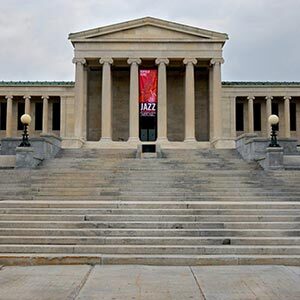
The Albright-Knox Art Gallery is a world-renowned and prestigious museum located in the United States, in the city of Buffalo, specifically at 1285 Elmwood Avenue.
Its philosophy and reputation allow it to display a large number of works, offering special tours and workshops for visitors.
Indeed, the collection includes artworks from ancient, modern, and contemporary periods.
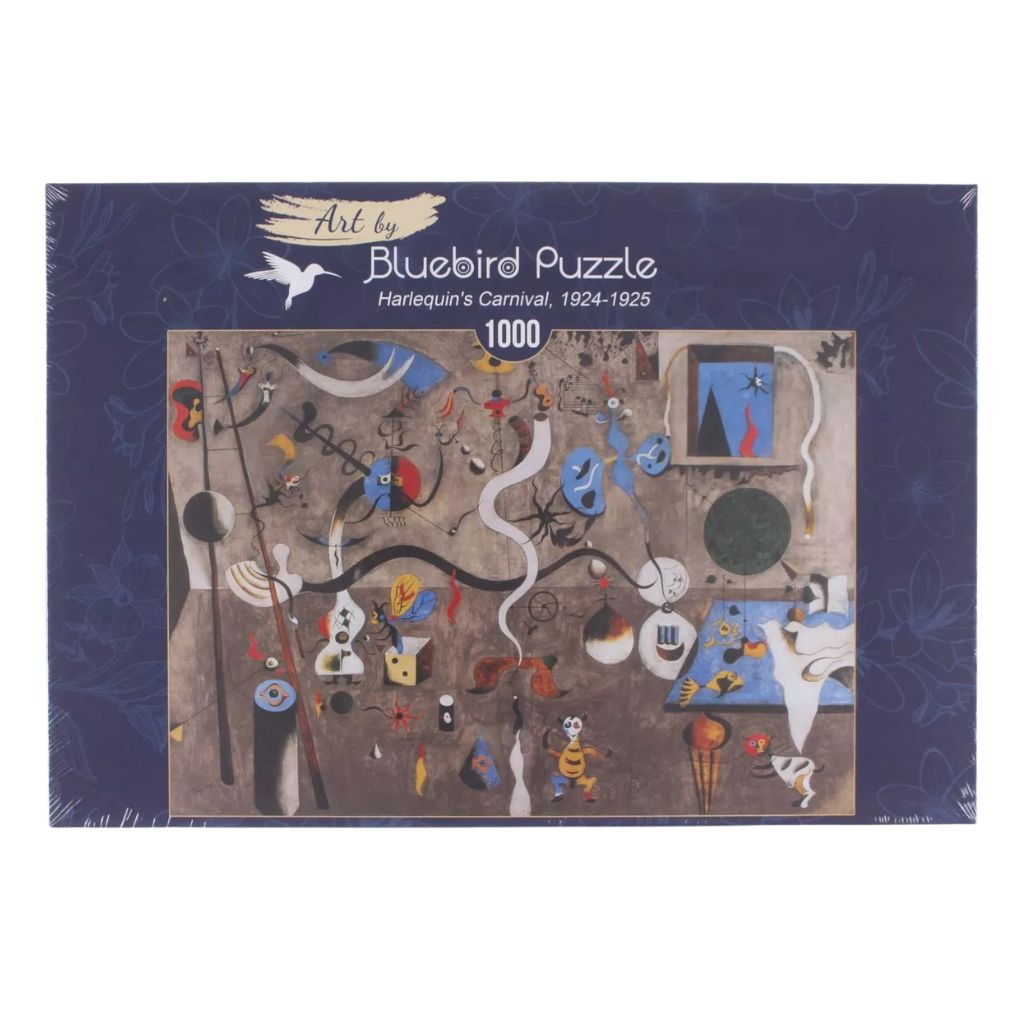
The museum exhibits works by the Italian Futurist Giacomo Balla, the leading Fauvist Henri Matisse, the Surrealist Joan Miró
The Impressionist master Claude Monet, the undisputed icon of twentieth-century painting Pablo Picasso, and many other artists whose work has shaped this museum and contemporary artistic thought.
The Albright-Knox Art Gallery is an extension of the Buffalo Fine Arts Academy, founded in 1862. It is one of the oldest public art institutions in the United States.
In 1890, entrepreneur and philanthropist John J. Albright, a wealthy industrialist from Buffalo, initiated the construction of the Albright Art Gallery to donate it to the Academy.
Originally, the intention was to use the Fine Arts Pavilion for the 1901 Pan-American Exposition, but due to construction delays it remained unfinished until 1905.
Thus, this building has more than 100 years of history and was among the first American efforts to engage with modern art.
Additionally, in 1962, the museum underwent a significant expansion, at which point it was renamed the “Albright-Knox Art Gallery.”
Inside the museum, visitors can find priceless works such as the famous Futurist painting Dynamism of a Dog on a Leash by Giacomo Balla.
This painting immediately conveys the Futurist philosophy of the modernist approach. The choice of an urban scene and the intent to capture movement and becoming were key elements for the Futurists in understanding a work of art.
Furthermore, the museum houses The Acrobat by Chagall, an oil on canvas from 1914. This painting evokes a powerful emotion. In late 19th-century Russia, the circus represented an essential world: fantasy made real, myth becoming history, and a moment of escape from the harshness of everyday social life.