
 Hot
Hot
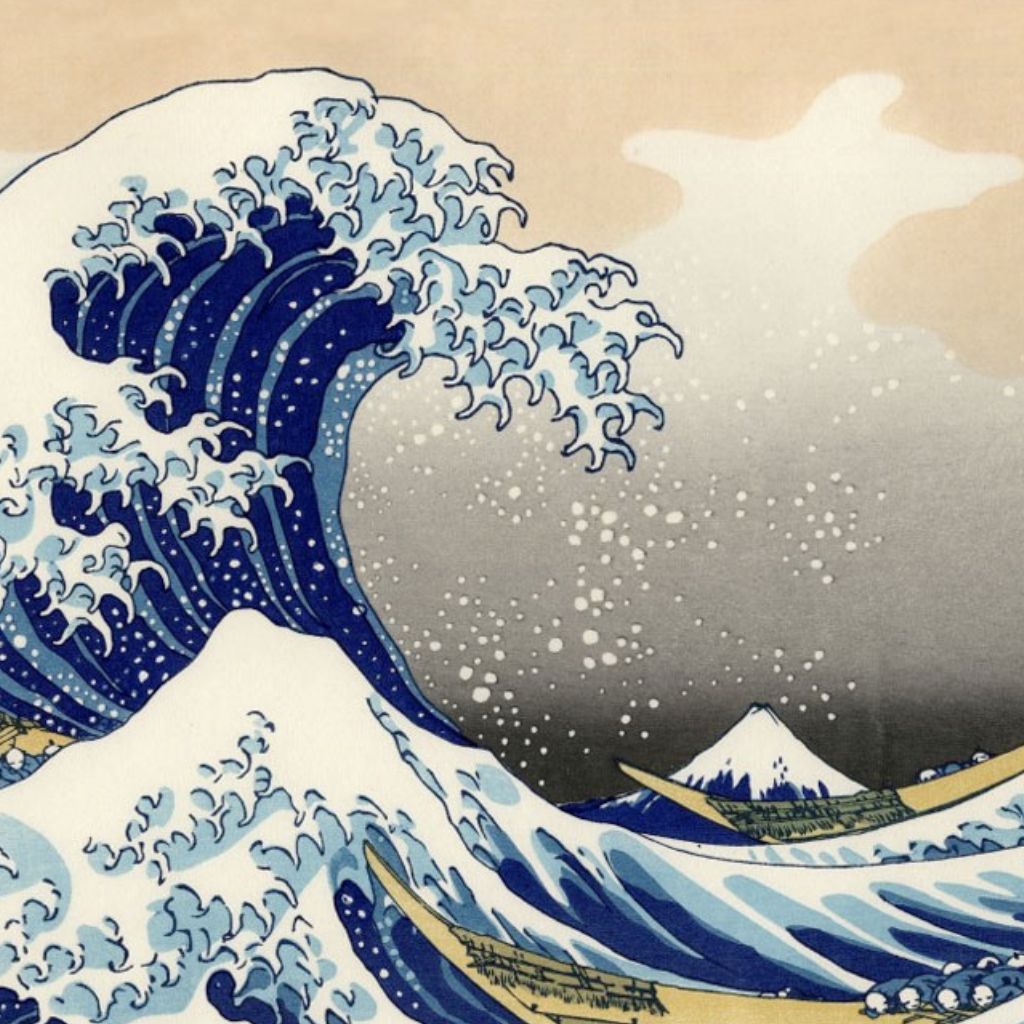
Hokusai Wave Puzzle
Price range: 23,90€ through 25,00€
Select options
This product has multiple variants. The options may be chosen on the product page
Home / Japonism
The term Japonism refers to the influence that Japanese art, particularly ukiyo-e prints, had on Western artists. After Japan opened to international trade in 1854, Japanese artworks began circulating in Europe, capturing the attention of painters, illustrators, and designers.
Eastern art stands out for:
Japanese prints, such as those by Hokusai and Hiroshige, depict landscapes, flowers, birds, and scenes of everyday life with a delicacy that fascinated artists such as Monet, Van Gogh and Degas.
Beyond their aesthetic beauty, Eastern art also carries a strong symbolic meaning. In fact, every depicted element has a deep significance connected to nature, spirituality, and Eastern philosophy.
Puzzles inspired by Eastern art allow you to experience a moment of relaxation and concentration, just like when contemplating a Japanese artwork. Reassembling landscapes, flowers, and traditional scenes is a way to slow down the pace and immerse yourself in the timeless beauty of the Far East.
At Puzzle Arte you can find puzzles dedicated to Eastern art and Japonism, designed for those who love the minimalist beauty and symbolic depth of Japanese prints. Discover our collection and let yourself be transported on a journey through nature, art, and culture.