

Home / German Museums: Puzzle Arte’s Favorites
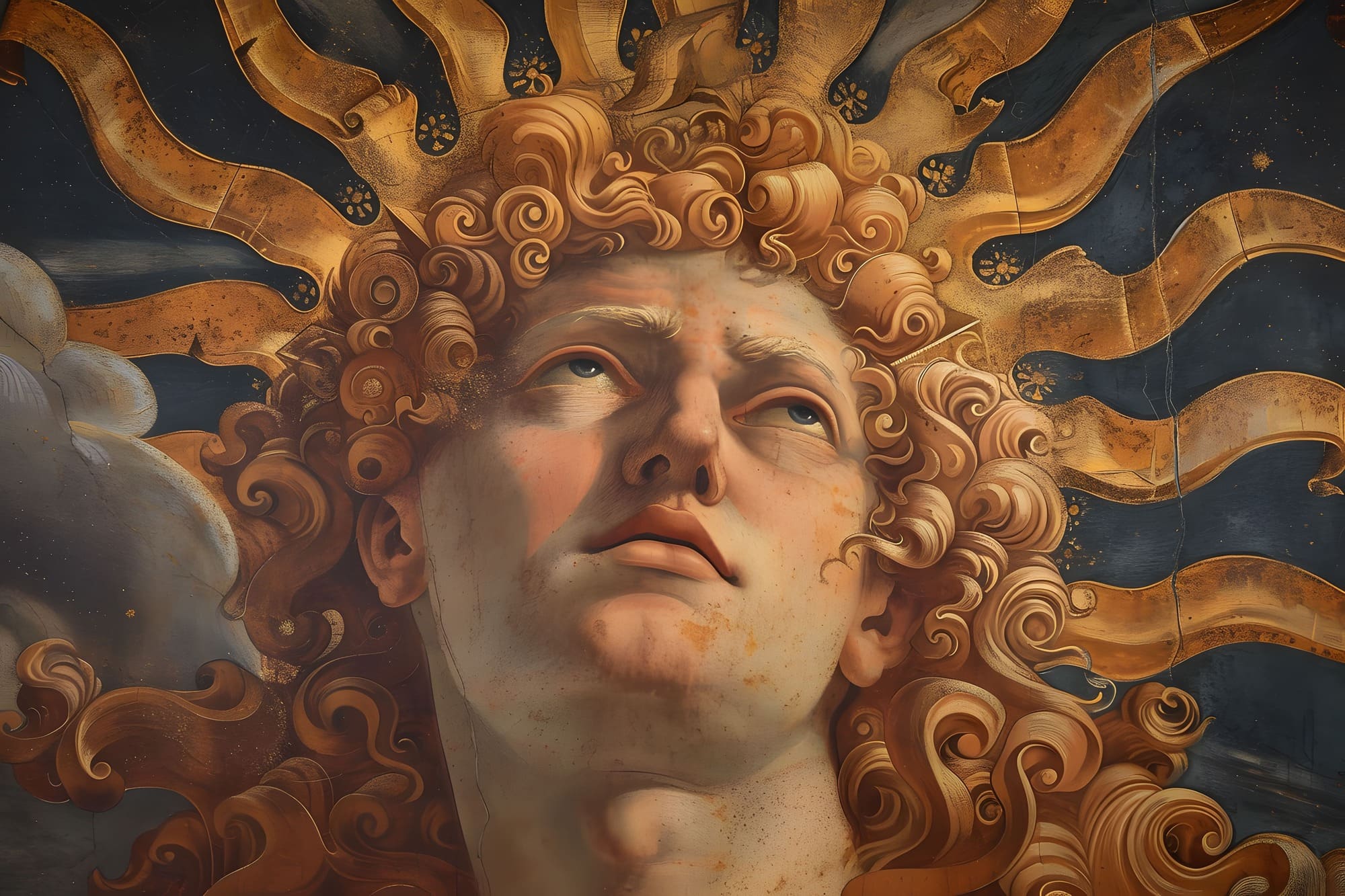
German museums exhibit more than just pictorial and literary art. In fact, Germany has established itself primarily as an economic and commercial power. Before mentioning important rulers, poets, and artists, its role as a superpower emerges. From art in the strict sense to automotive design, including technology, German museums, their history, and their exhibitions are the fruit of a richly significant history.
Among the most famous German museums is the Pergamon Museum . One of the most famous in Berlin and the world. With an archaeological focus, the museum exhibits buildings from ancient history. In fact, it takes its name from the ancient city of Pergamon in Anatolia. It displays testimonies of classical Hellenistic, Islamic, and Eastern culture. An example of this is the Pergamon Altar dedicated to Zeus. The central staircase and the lateral marble friezes depict the Battle of the Giants.
Next up is the Neus Museum , the world-class Egyptian museum. The building that houses it is the most majestic on Museum Island. A rounded neo-Baroque basilica emerges from the Spree River. It is characterized by the rare artifacts housed and displayed. The Bust of Nefertiti stands out, rivaling the Egyptian collection at the Louvre in Paris. The section dedicated to Prehistory and Ancient History is also important, as is the “Time Machine,” which recounts the evolution of Europe through civilizations. The Bode Museum, meanwhile, is dedicated to numismatics, Byzantine art, and sculpture from the Middle Ages to the 18th century. It displays works by Donatello, Bernini, and artifacts from the Western Roman Empire. It also houses a collection of mosaic icons, typical of Levantine art.
The most popular German museums are those on Museum Island , which encompasses five museums. The colonnade of the main façade is striking, housing important Roman and Hellenic art. Greek art is the undisputed star. The sculpture of the “Praying Boy” is particularly famous. Then there are the Etruscan and Roman collections. In addition to the Coin Cabinet, there is an archive of over 1,000 coins from the Greco-Roman period.
The National Gallery showcases 19th-century German art. The main works here are those of Adolph Menzel, a precursor of French Impressionism. There are also rooms dedicated to Edgar Degas , Pierre-Auguste Renoir , Claude Monet , Paul Cézanne , and other French Impressionists. The equestrian statue of Frederick William IV stands out in the center of the entrance staircase.
The Gemäldegalerie is Berlin’s art gallery. Located in the heart of the Kulturforum, it is the cultural and artistic hub of West Berlin. It houses 1,500 paintings. Among them are Caravaggio’s “Amor Vincit Omnia” and Jan Vermeer’s “Woman with a Pearl Necklace.” It also features works by Giotto and other artists of the Italian Baroque and Dutch Golden Age. It also houses German medievalists.
Among Germany’s most artistically significant museums is the Jewish Museum in Berlin . The largest and most important in Europe, it is inspired by a Star of David. Inside, the story of one of the darkest chapters of humanity and of the Jews in Germany is told.
The DDR Museum is also a Berlin institution. It illustrates German history and the Berlin east of the wall. It offers an interactive journey into the past, including homes, schools, workplaces, sports facilities, and even entertainment.
Another must-see for learning about twentieth-century German history is the ” Topography of Terror ” museum. It recounts the horrors of Nazi history, from its rise to its decline, through photos and biographies of Nazi leaders. Before reaching the entrance, you can admire a section of the wall and the remains of a Gestapo headquarters.
In addition to art in the strict sense , German museums also include those dedicated to other fields. Such as the Video Game Museum in the Friedrichshain district, and the Ramones Museum, dedicated to the musical group. Particularly popular are the Wall Museum and the Tränenpalast (Palace of Tears), dedicated to the Berlin of the Wall. At the Kulturforum, we find the Musical Instrument Museum , the Museum of Graphic Arts , and the Museum of Decorative Arts .
Contemporary art lovers will appreciate the Hamburger Bahnhof Museum , a former train station that has been used as an exhibition hall since the 1960s. Andy Warhol’s famous Mao statue stands out here. Meanwhile, at Potsdamer Platz is the Dalí Museum , featuring works by the celebrated Spanish artist. Finally, we find the Currywurst Museum .
Contemporary German museums are embracing new technologies. Among them is the Munich Museum of Science and Technology . It is the largest exhibition hall in the world, inaugurated in 1925, and boasts numerous objects and rarities. Next up is the Aquazoo and Lobbecke Museum in Düsseldorf, with numerous animal species. It is also considered a zoo because animals are bred there. Its main attraction is an aquarium, and it is popular with families.
The Dresden Diamond Museum is also famous among German museums. Founded in 1723, it was only recently renovated. It houses works from the Baroque to Classical periods, and the objects are divided into nine rooms. Of particular note are the statue of the Moor with an emerald plate and the Dresden Green Diamond. The Porsche Museum in Stuttgart is a destination for automotive enthusiasts. It houses over 80 cars, both historic and modern, as well as authentic rarities of the sector.
Another attraction among German museums is the Romano-Germanic Museum in Cologne. This archaeological museum opened in 1974 and houses objects from the Roman period. The current city was built on this site, as the museum was built on the site of an ancient Roman villa. The Hamburg Maritime Museum , also known as Museumshafen Oevelgonne, is located in the old port of Hamburg-Altona.
In Bremen, the Historical, Ethnographic and Natural History Museum is a true attraction. Here, you can observe statistics on the nature, trade, and culture of various continents. Finally, we find the Goethe House in Frankfurt, which celebrates one of the world’s most celebrated German poets, Johann Wolfgang von Goethe. Inside the poet’s house, objects that belonged to him and his family are preserved. This museum was built after World War II, because his home was destroyed.