
Novità!

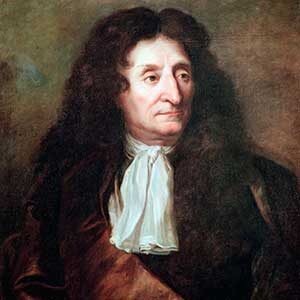
Jean de La Fontaine (1621-1695) was one of the greatest representatives of French classicism. A French writer and poet, author of famous fables featuring animals as protagonists.
His father, superintendent of Château-Thierry, a town east of Paris, wanted a clerical life for his son and therefore enrolled him in the Congregation of the Oratory in 1641.
However La Fontaine developed a love for literature from a young age and in 1654 published his first work based on an adaptation of Eunuchus by Terence.


After his first work and abandoning his ecclesiastical studies he devoted himself to extensive reading and frequented the artistic and literary circles of Reims and Paris, where he settled in 1658.
In the French capital he began to serve the finance minister Fouquet to whom he dedicated the heroic poem Adonis (1658), inspired by Ovid, obtaining a pension in return.
However in 1661 his protector fell from grace, and La Fontaine courageously took his side by writing in his defense L’élégie aux nymphes de vaux: this in turn caused him to fall from favor and into serious financial difficulties.
At the end of 1674 he published Contes et nouvelles en vers, a group of tales and short stories written in verse (Tales and short stories in verse), inspired by Italian models, especially Ariosto and Boccaccio.
The licentious themes (which earned him royal condemnation in 1675) were treated with a certain freshness, although constrained by the regularity of the decasyllable and the octosyllable.
However some stories are remarkable, such as the famous Joconde.
In 1668 the first six books of the “Selected Fables Put into Verse” were published
Along with them came the wonderful illustrations by Chaveau.
Inspired by medieval and Renaissance collections, the poet surpassed all his models reaching peaks of elegant brevity, variety of tones and rhythms.
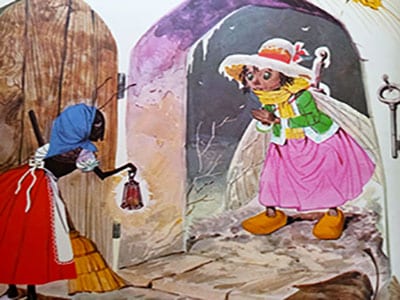
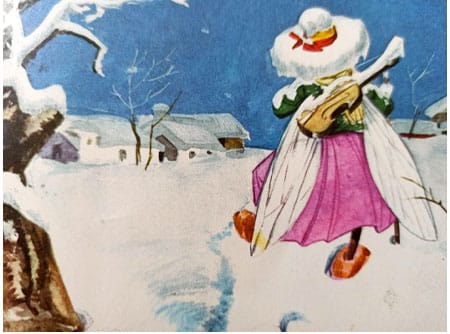
Among the most famous fables he would write in his life we can certainly mention The Rooster and the Fox, The Crow and the Fox, The Cat and the Tiger.
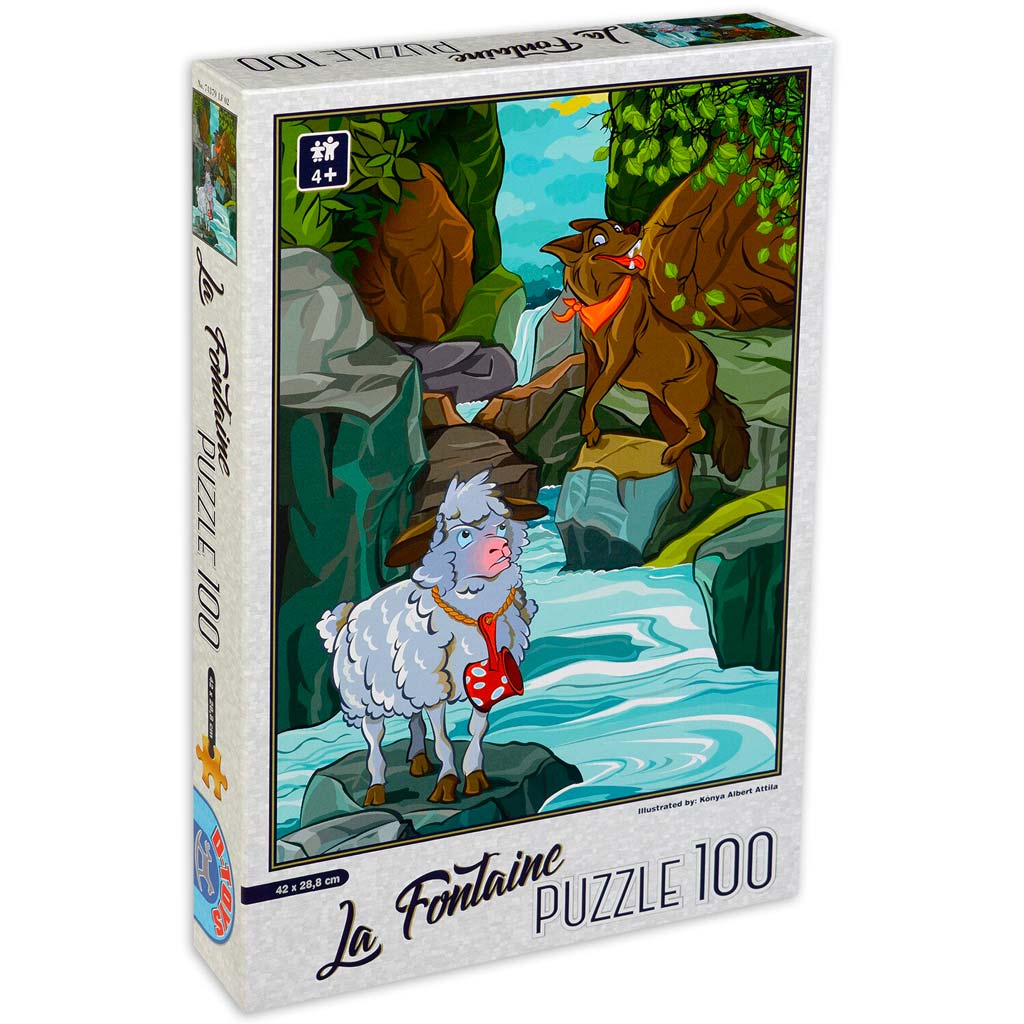
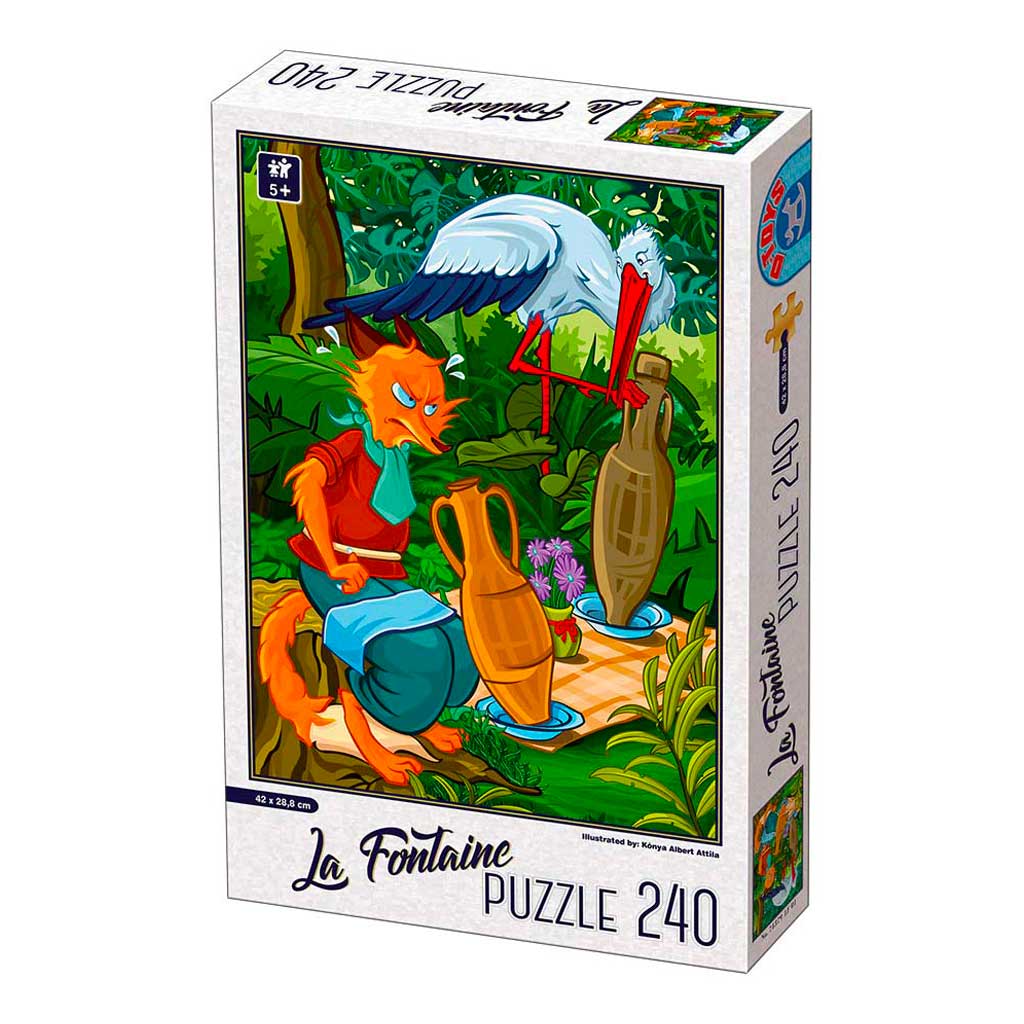
The success of the book of his fables was enormous. Just like the success of the La Fontaine puzzles!
Death is one of the recurring elements in the fables, associated with the right of the strongest, without however neglecting the sense of solidarity and compassion toward the unfortunate.
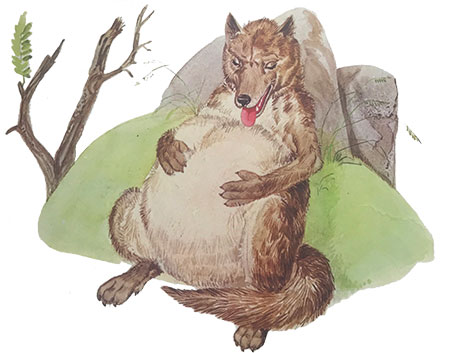
In fact behind La Fontaine’s Fables one of the overall morals is the complete acceptance of human nature: for example La Fontaine certainly does not want to justify the wolf in the very famous fable, yet he admits the impossibility of saving the lamb.