
Novità!
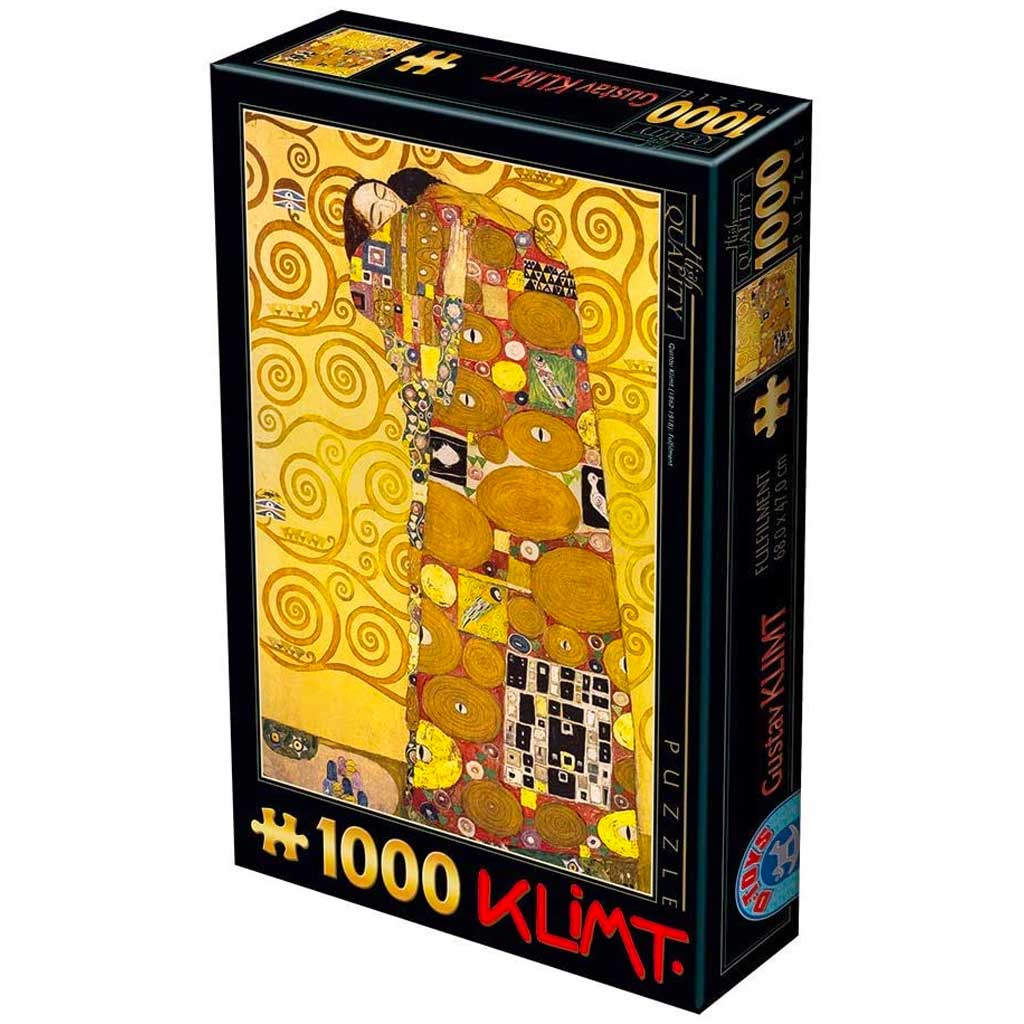
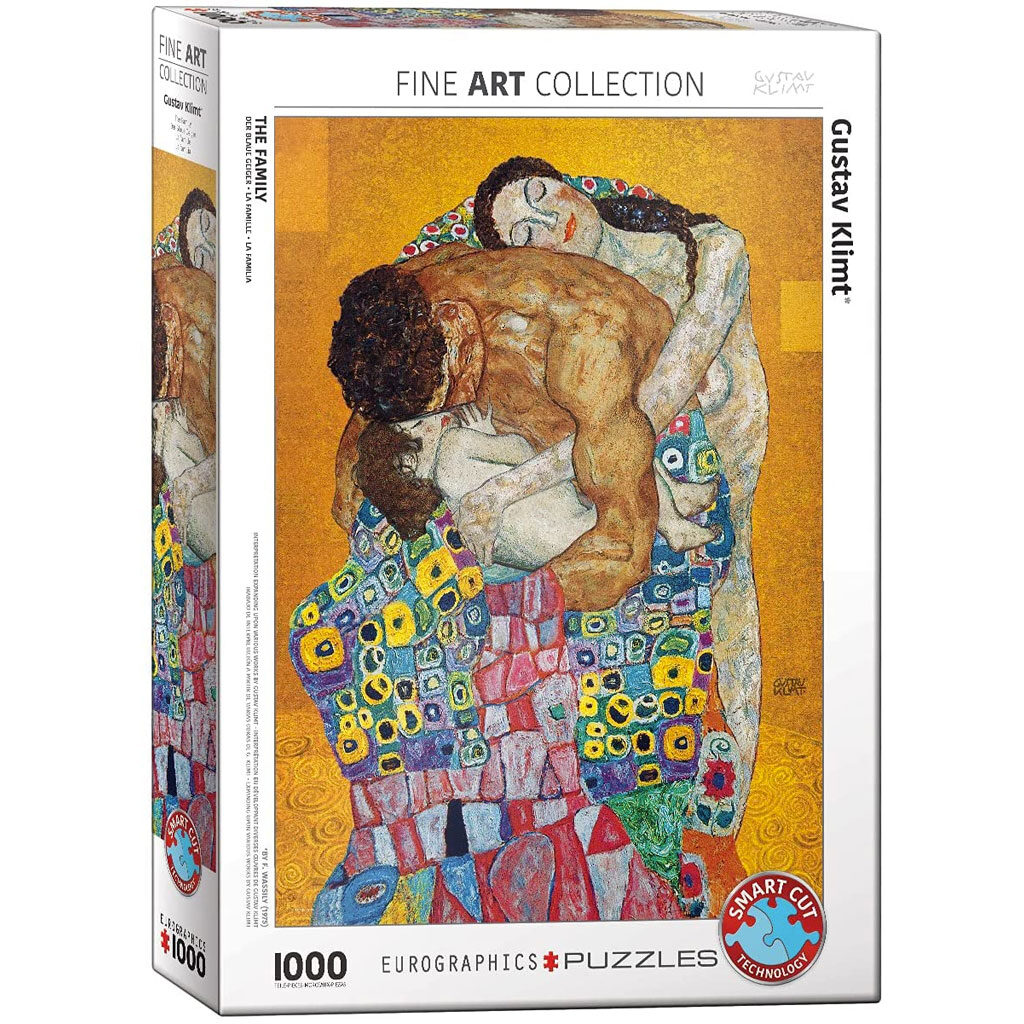
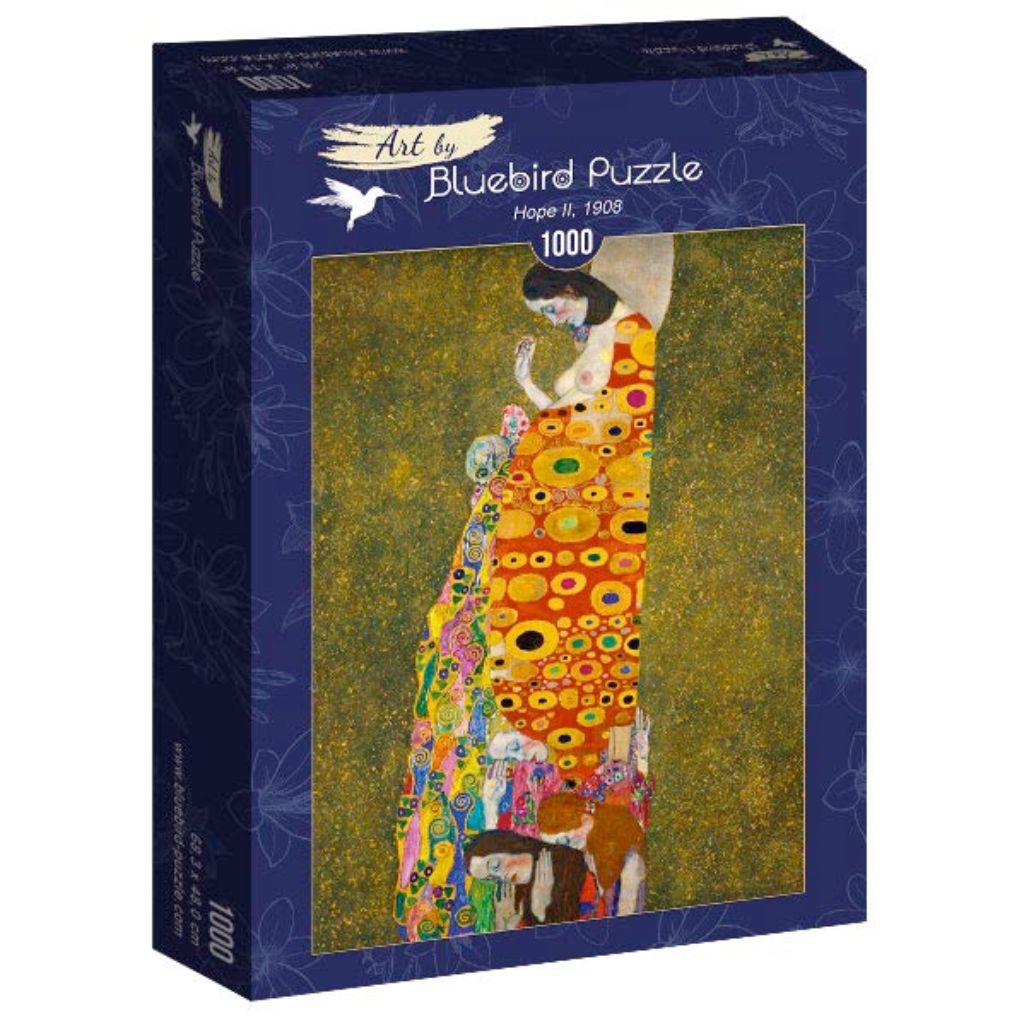
Discover with us our Klimt puzzles and immerse yourself piece by piece in the Great Viennese Secession with Modern Art Puzzles.
The art of Klimt is characterized by the search for beauty and the symbolic imprint of his paintings.
We have chosen Klimt puzzles to allow you to enter, together with Klimt’s beautiful works, a golden world full of emotional intensity.
In fact, what strikes you about Klimt’s paintings is the continuous search to express through art that inner sense of strength through the greatness of symbols and colors. His works are imbued with a mythological aura that makes them stories and pictorial representations of the meaning of life.
We at Puzzle Arte want you to discover these masterpieces through our Klimt puzzles.
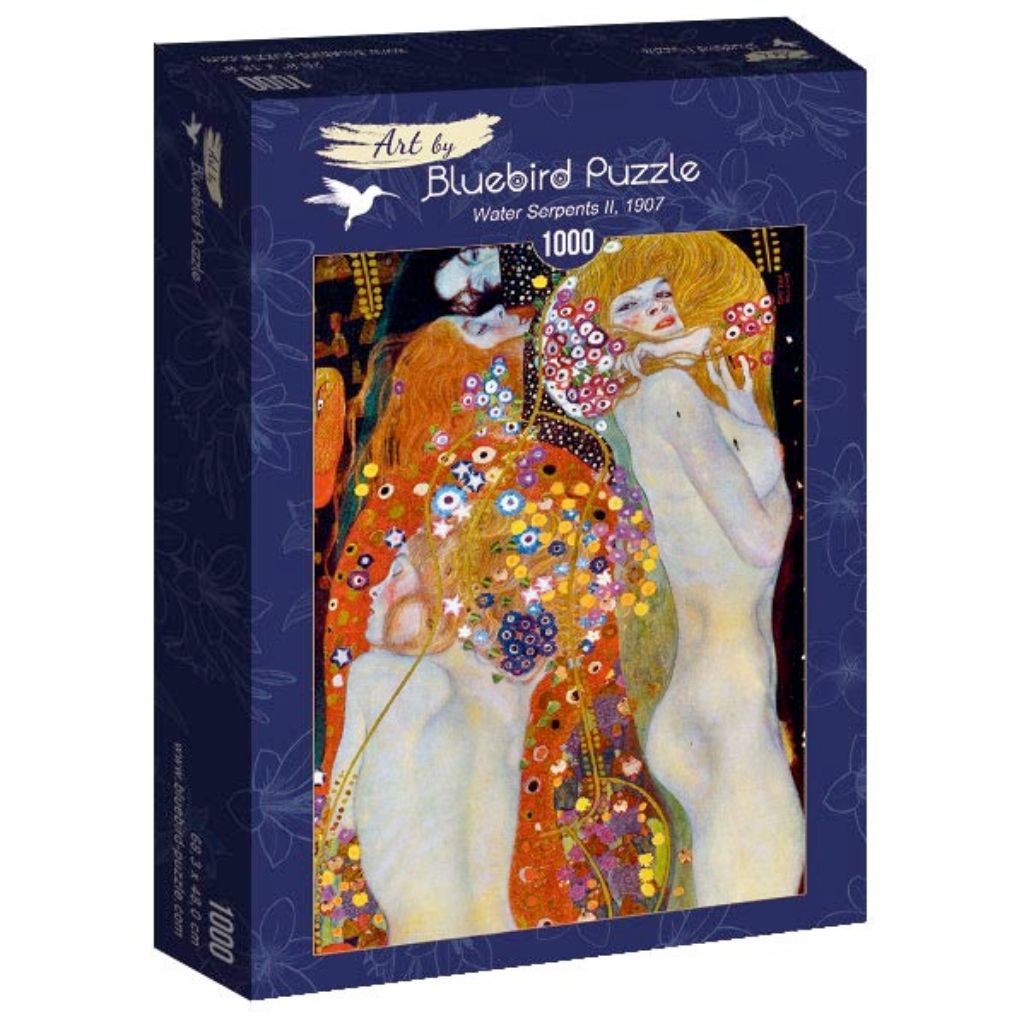
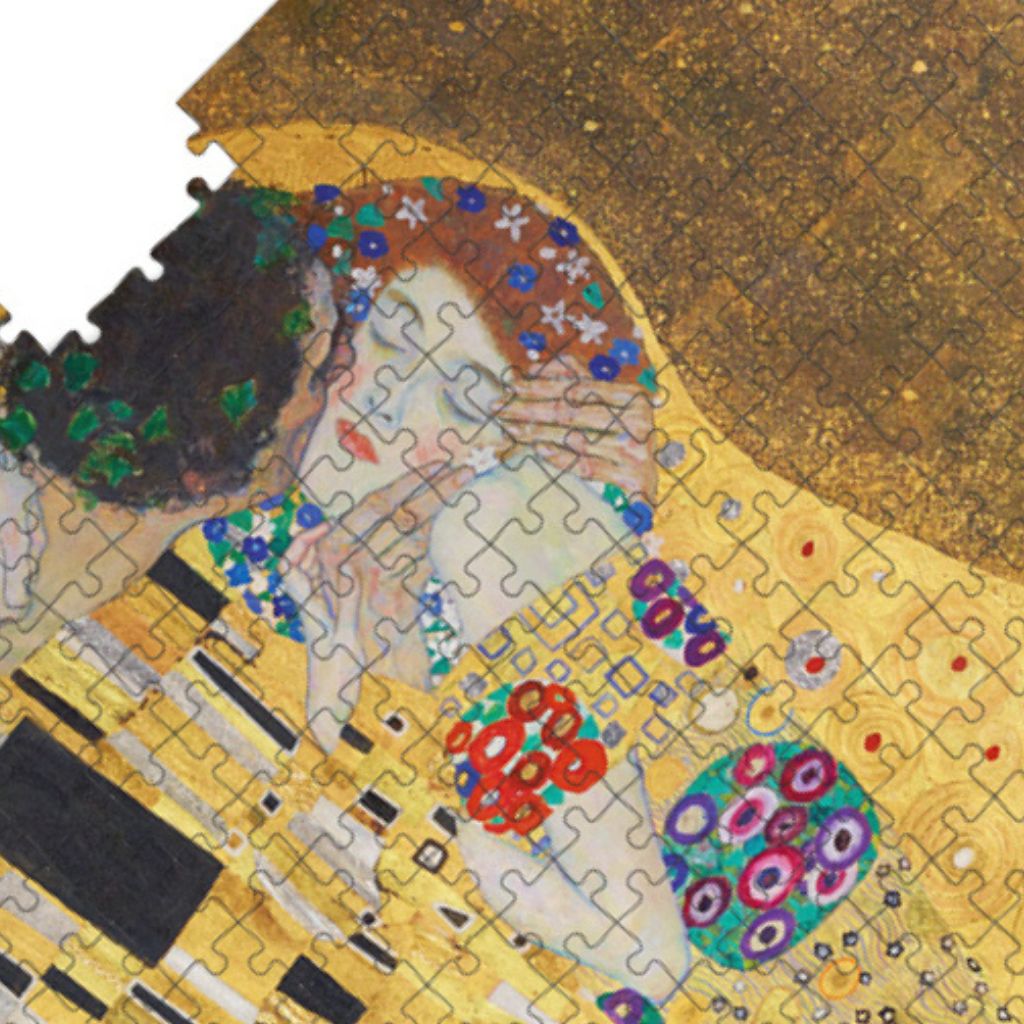
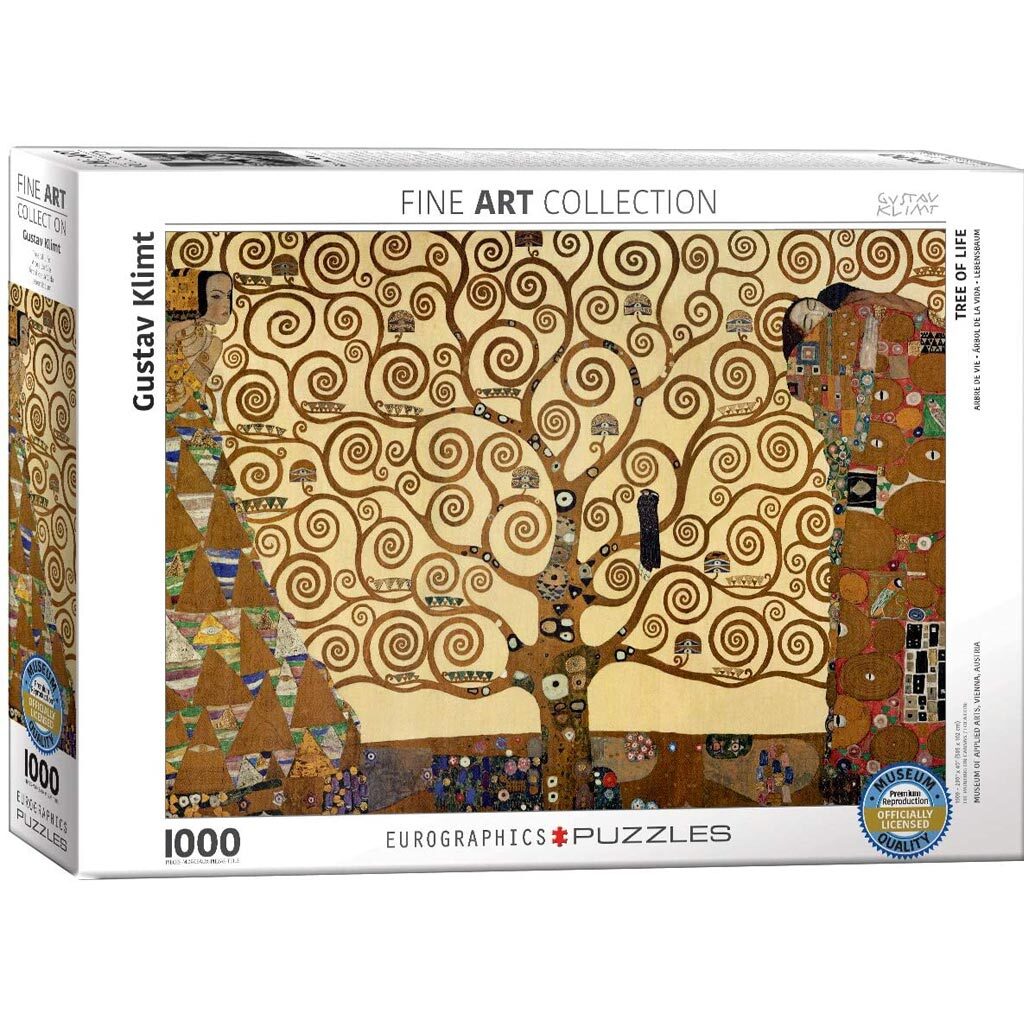
The puzzle is a tool for an intimate relationship between the artwork and you who are building it. By searching for each piece of Klimt’s works you will immerse yourself in his fascinating golden world.
Observing his works in every detail and discovering them piece by piece means embarking on a journey into your emotions.
Gustav Klimt
Among the promoters of the Viennese Secession, Gustav Klimt is undoubtedly the greatest personality of Art Nouveau painting.
Born in Baumgarten, a suburb of Vienna, on July 14, 1862, he studied at the School of Decorative Arts in Vienna from 1876 to 1883 and, together with his brother and a mutual friend, already during his school years created an artistic group that worked on decorations.
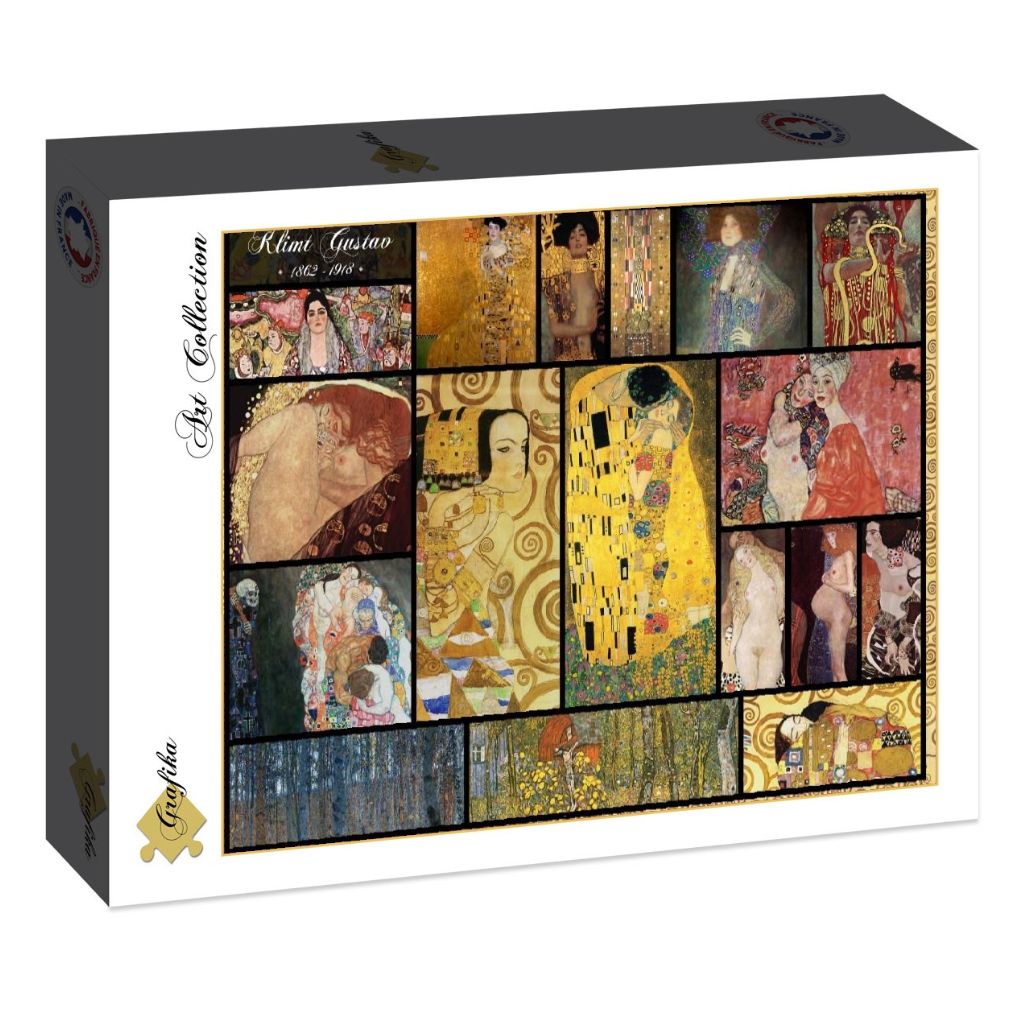
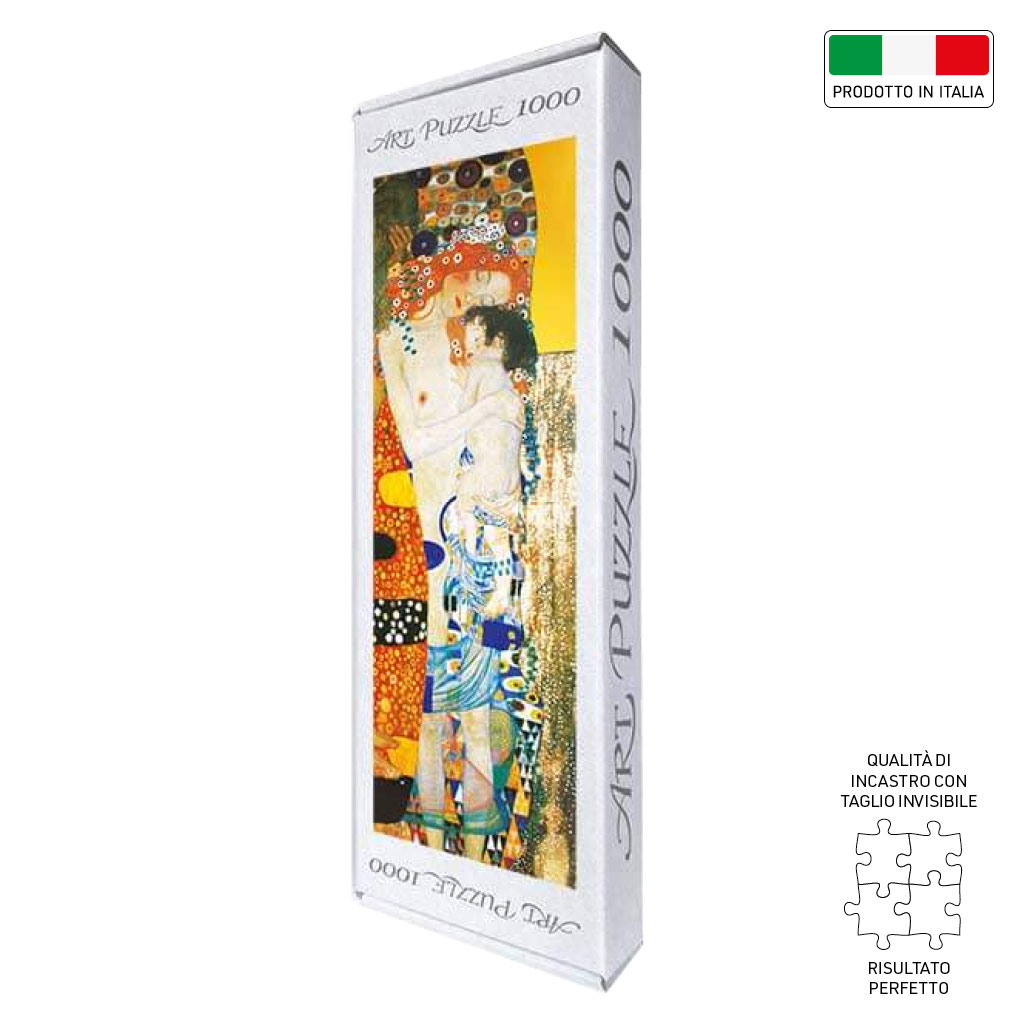
During his studies, in 1903, Klimt visited Ravenna on two different occasions,
bringing back an impression so profound that it had significant repercussions on his style and expressive choices in the immediately following years.
In 1912 Klimt became president of the Austrian Union of Artists.
His final activity coincided with the years of the First World War.
Gustav Klimt, who had embodied the very spirit of the splendor of the Austrian empire, which seemed destined for perpetual prosperity, died on February 6, 1918 as a result of a cerebral stroke that had left him partially paralyzed. He was therefore unable to witness either the unstoppable collapse of the vast Austro-Hungarian empire or the final fall of the Habsburg monarchy.

Not inclined to speak about himself, Gustav Klimt wrote of himself:
- I am good at painting and drawing; I believe it myself and others say it too.
- I am a painter who paints every single day from morning to evening.
- Anyone who wants to know more about me, that is about the artist, the only one worth knowing, should carefully observe my paintings to discover who I am and what I want.
During the years spent at the School of Decorative Arts Klimt received an academic education based essentially on the study of the nude and decorative techniques. His vast graphic production, especially that of his youthful years, reveals the practice and study of the themes of Italian Renaissance art.
In fact, this attitude toward art can be seen in the painting “Youth” a pen drawing with watercolor and highlighted in white and gold, created in 1882 for the collection Allegories and Emblems, a publication intended to provide artists with a collection of subjects among the most varied, drawn from life and human activities, useful as suggestions for every kind of decoration.
The painting is described as follows: within an architectural frame echoing the schemes of complex fifteenth-century sculptural groups, a young man plays a lute and a young woman, holding a child in her arms, listens to him.
The element that characterizes the drawing is the abundant decoration of the bases of the pillars, the arch and the central candelabrum that acts as a column. Cherubs, doves, garlands of flowers and leaves, symbolizing the renewal of the seasons and love, contribute to strengthening the theme of youth embodied by the three main characters of the composition.
Over time Klimt’s drawing changed considerably, arriving, around the first decade of the twentieth century, at an essential linearism with a strong decorative taste that materializes in the use of a soft contour curve.
Reclining Nude Facing Right is a drawing in blue and red pencil dating back to 1913.
The use of the curved line and the sinuosity of the stroke give the work a strong erotic charge. In fact this characteristic, common to much of Klimt’s production, develops in parallel with the psychoanalytic research of Sigmund Freud, in which eros is seen as one of the most powerful driving forces of human existence.
A young woman with her arms pressed against her chest, her left leg extended and her right leg slightly bent, lies on her side. Her body is outlined with a few continuous curving lines and her legs are partially hidden by a cloth whose decoration gracefully repeats the motifs of the circle and the spiral.
However, although the woman’s attitude appears provocative, the only touch of red, the one that draws her lips, draws our attention to her face, serenely abandoned in sleep.
Already in the final years of the nineteenth century and the very early years of the twentieth century the art of Gustav Klimt opened up to a meticulous preciousness: a rigorous and harmonious drawing, a use of color aimed at emphasizing effects of transparency and where the taste for decoration meets bidimensionality.
However, volumetric effects also remain that highlight the figures and faces in the paintings of the Austrian master.
In Judith, a painting from 1901, the biblical subject is decidedly secondary in importance, while the semi-nude body of the heroine is barely covered by a thin blue veil with golden ornamentation.
This is a hymn to female beauty and to the enchanting power of her gaze. Judith is splendidly adorned, standing motionless, with half-closed eyes and slightly parted lips, showing the severed head of Holofernes, which can just be seen at the bottom right.
The young woman’s face, enigmatic and beautiful, is framed by the high Art Nouveau-style necklace and by the large dark mass of curly hair.
Moreover there is no contour line: Judith’s body, as well as her veiled dress, fades gently and almost merges with the background.
To make the painting Judith even more precious than it already is through the skillful use of color and drawing, the gold background intervenes: a revival taken from Gothic panels and Ravenna models.
On the gold, in fact, there is a geometric design with extremely simplified and stylized naturalistic elements and the frame, itself gilded and decorated, becomes an integral part of the painting itself.
Klimt began in these years to use gold leaf: this classical choice is a full revival of the values of splendor of the Roman empire in Ravenna.
Thus, just as the golden tesserae created the illusion of a wealth and power that did not exist in the dying Western empire, in the same way the gold lavishly used in Klimt’s paintings seems to seal, in a precious tomb, the end of an era, marking the final days of the Habsburg empire.