
Novità!
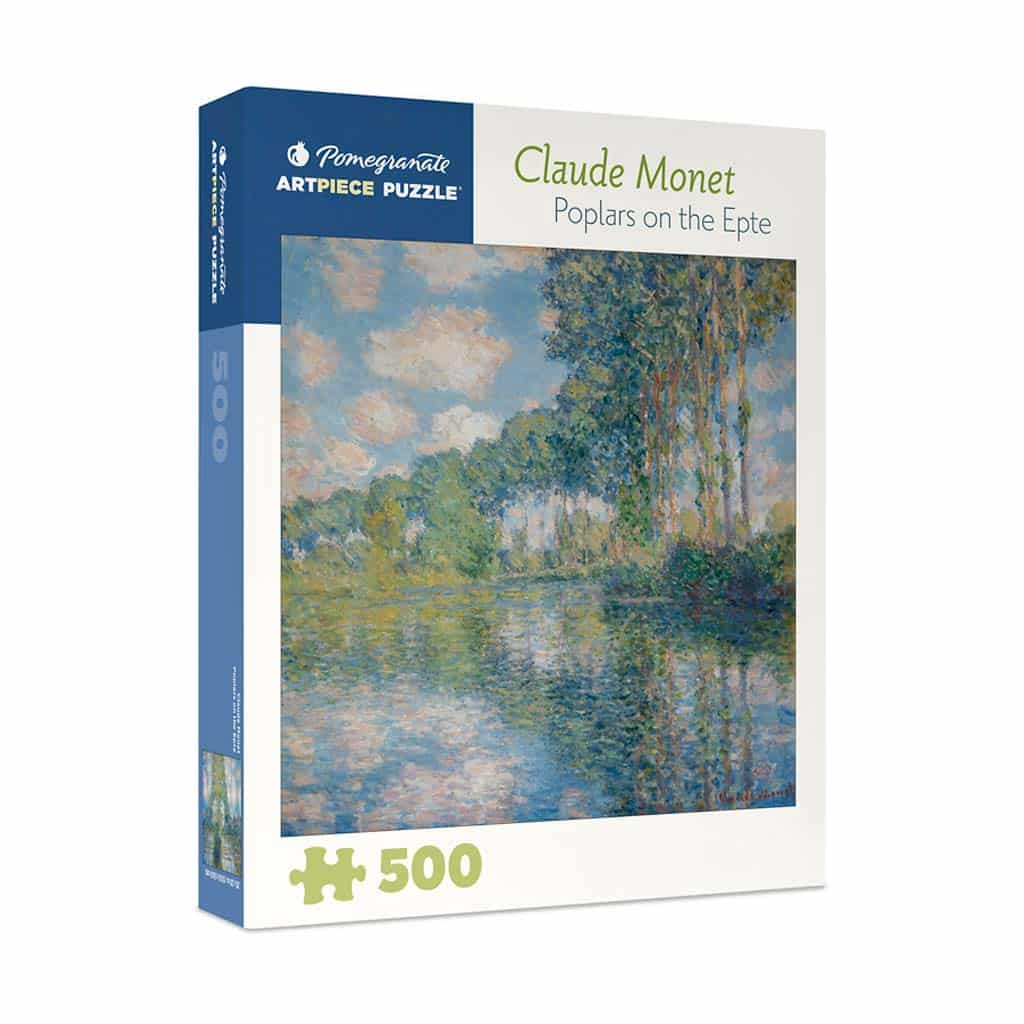
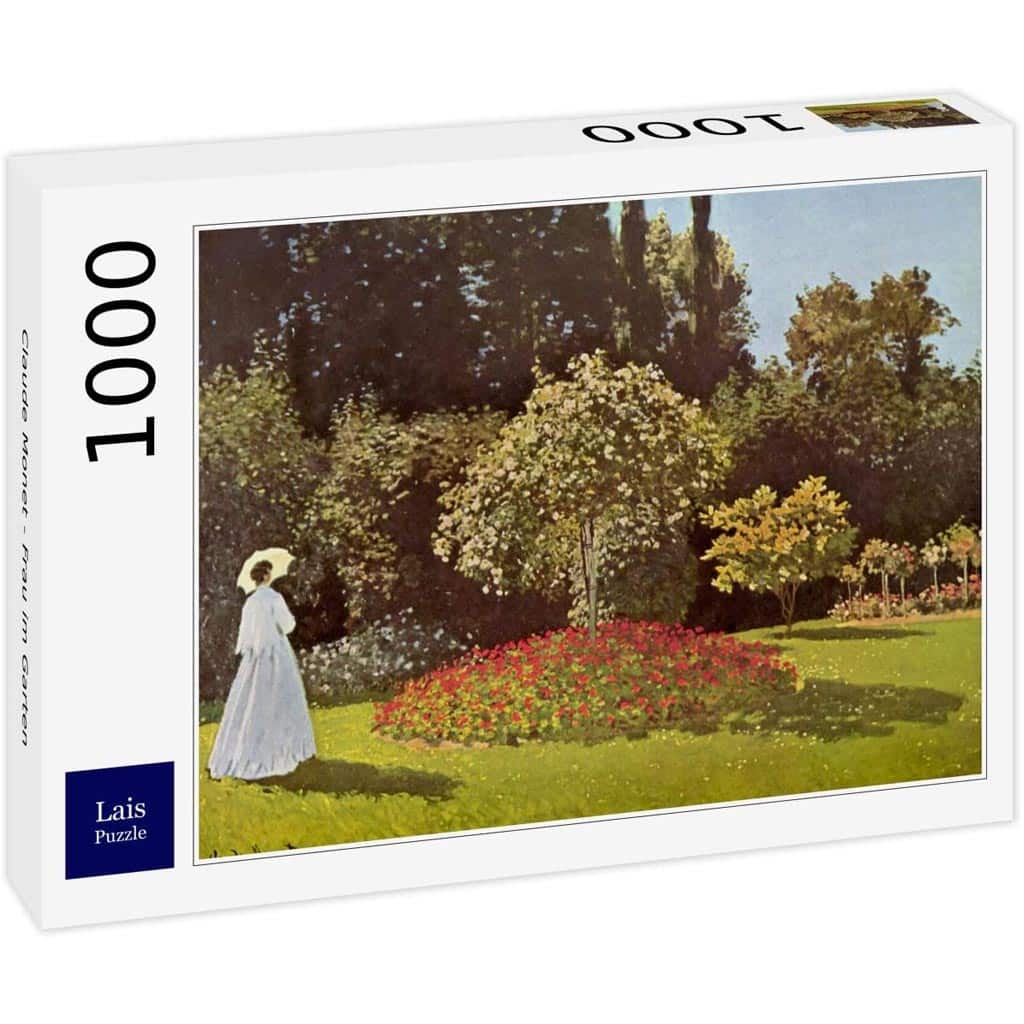
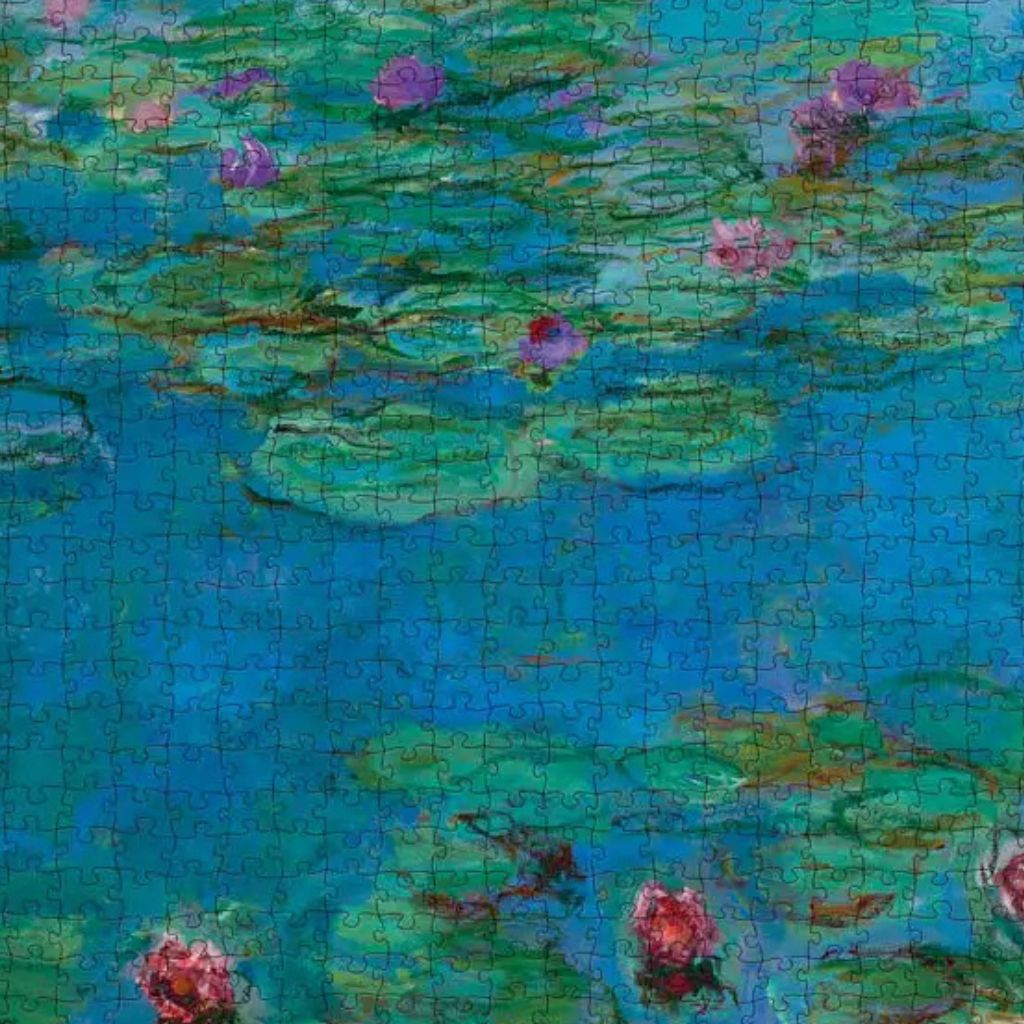
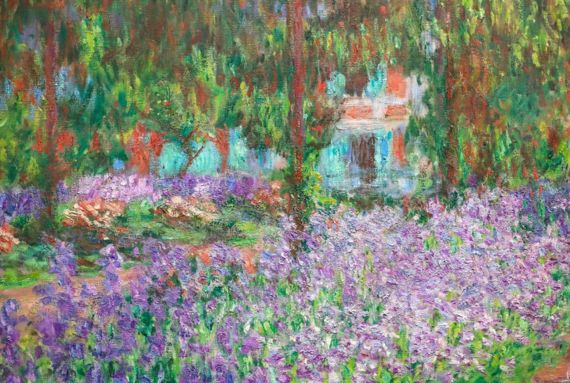
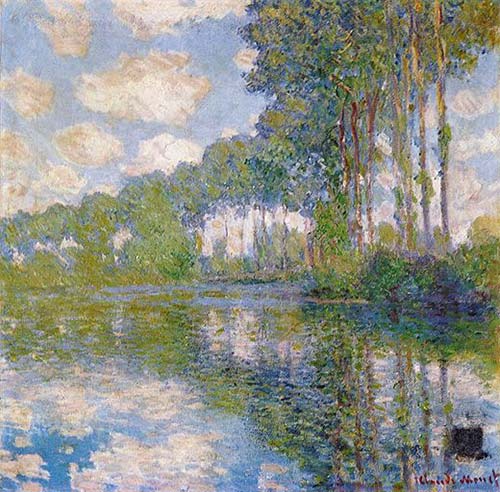
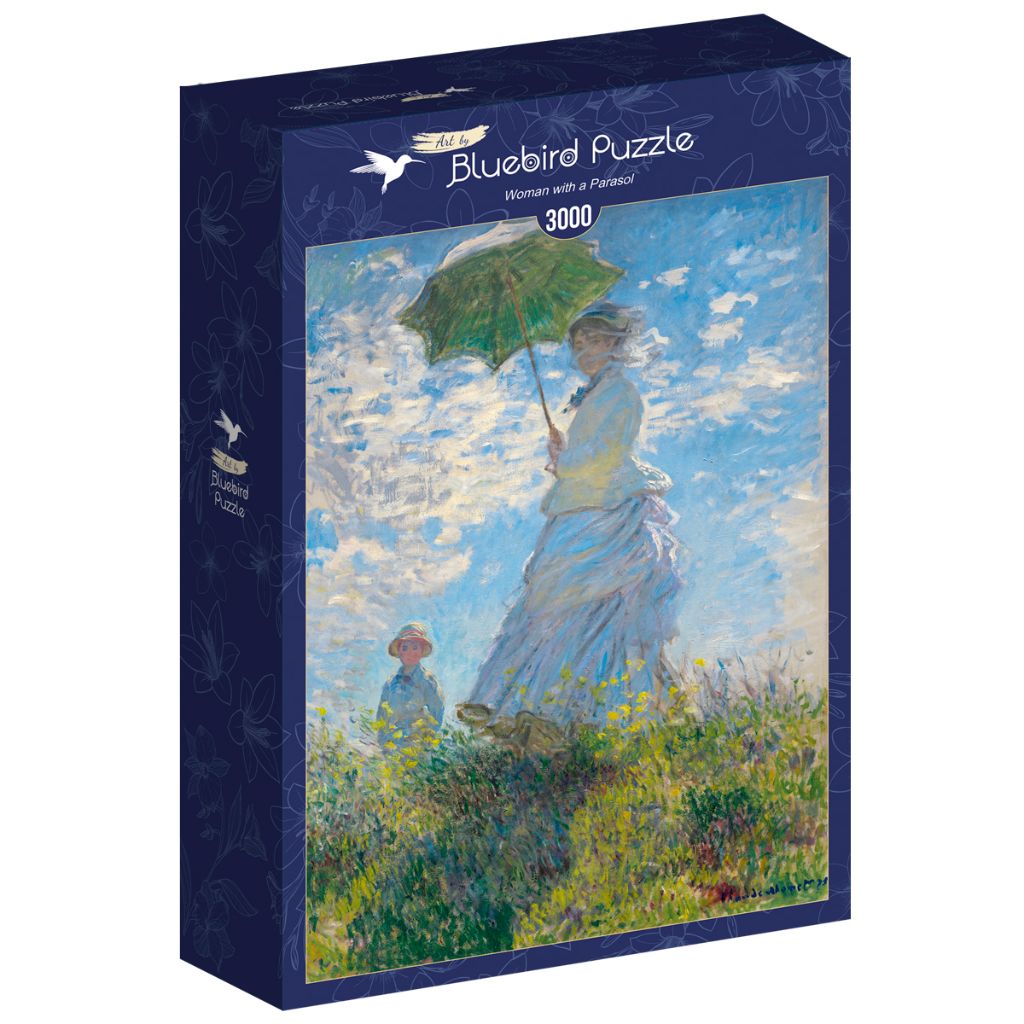
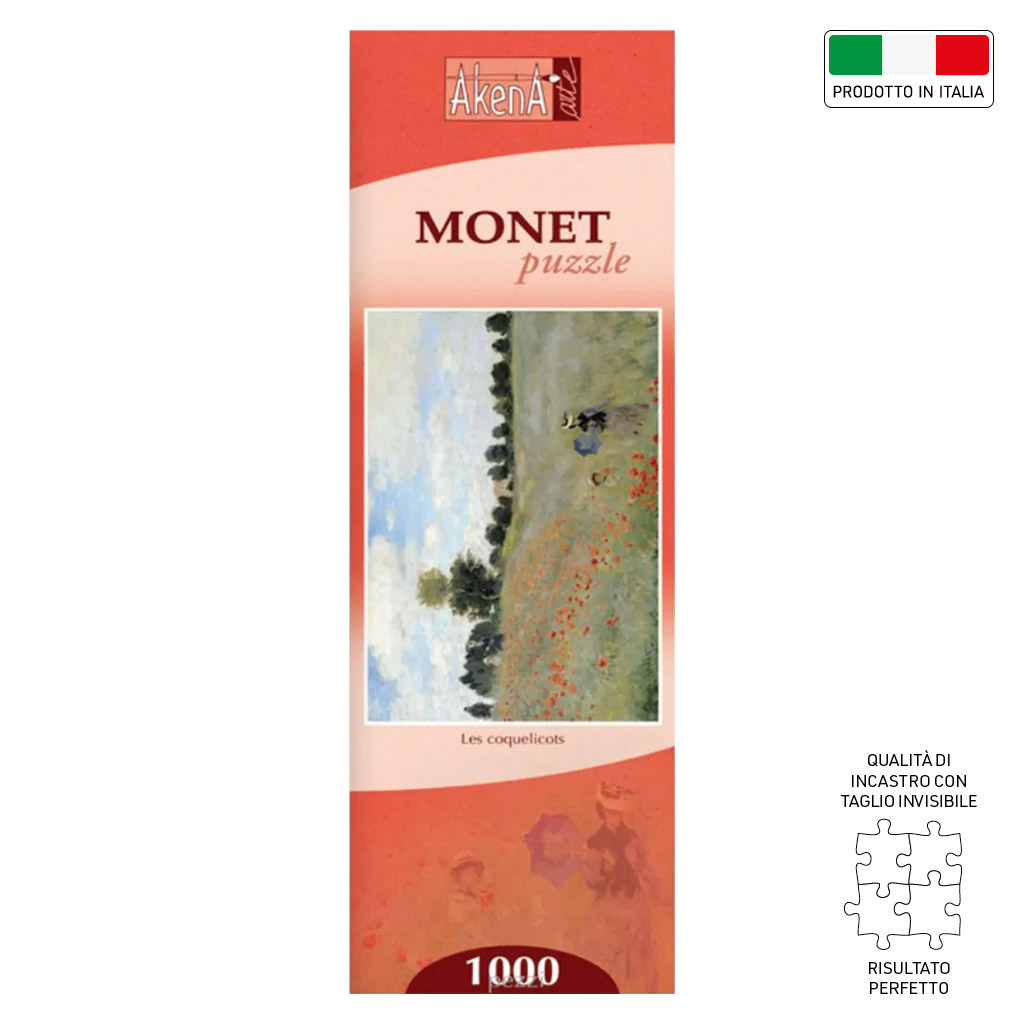
On Puzzle Arte you can find the most sought-after and rare art puzzles and certainly the Monet puzzles are among the most beautiful.
Discover with us the masterpieces of Impressionism and immerse yourself in the games of light and color of the French painter. Monet was certainly one of the most important painters of the nineteenth century but probably of the entire history of art.
Thanks to his works we can enjoy beautiful bucolic and idyllic views that allow us to appreciate the wonder and perfection of nature.
Build the Monet puzzles yourself and discover piece by piece all the details of the wonderful Impressionist works of the Parisian painter.
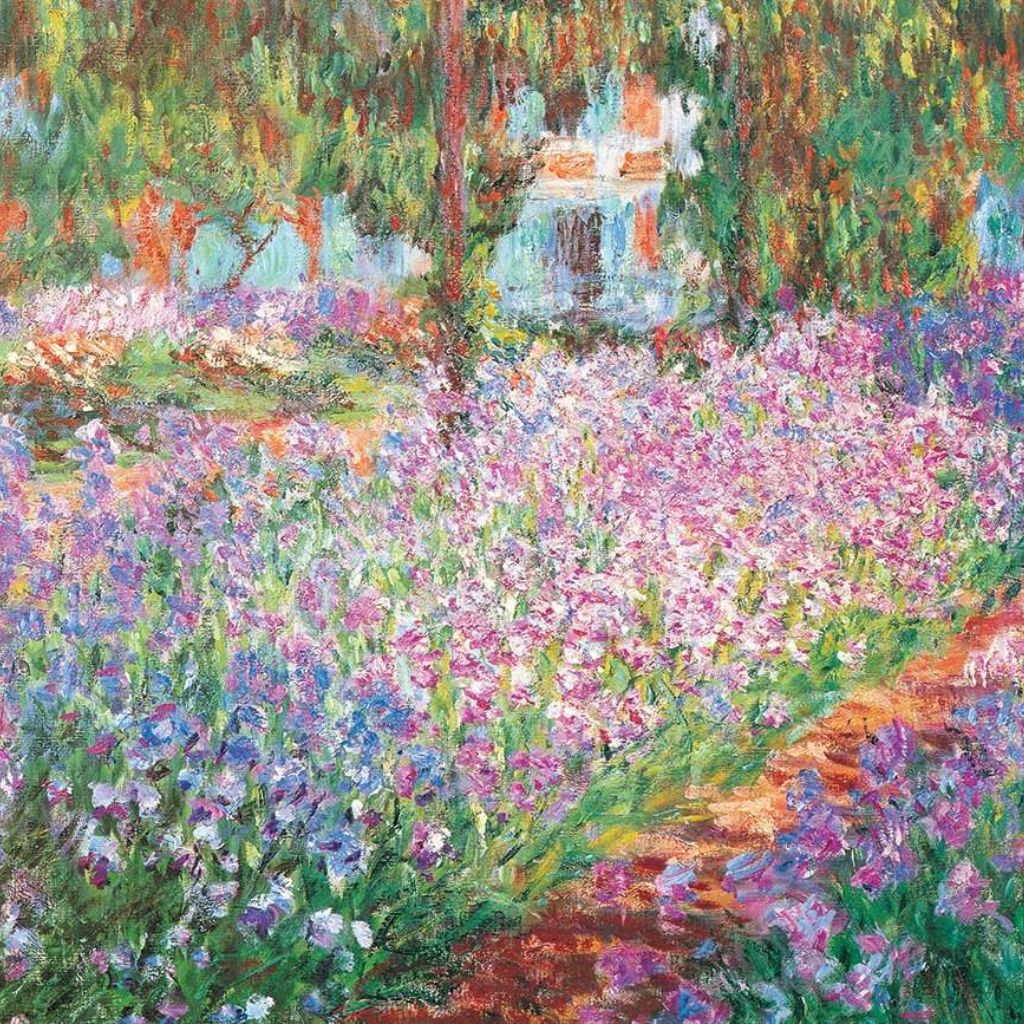
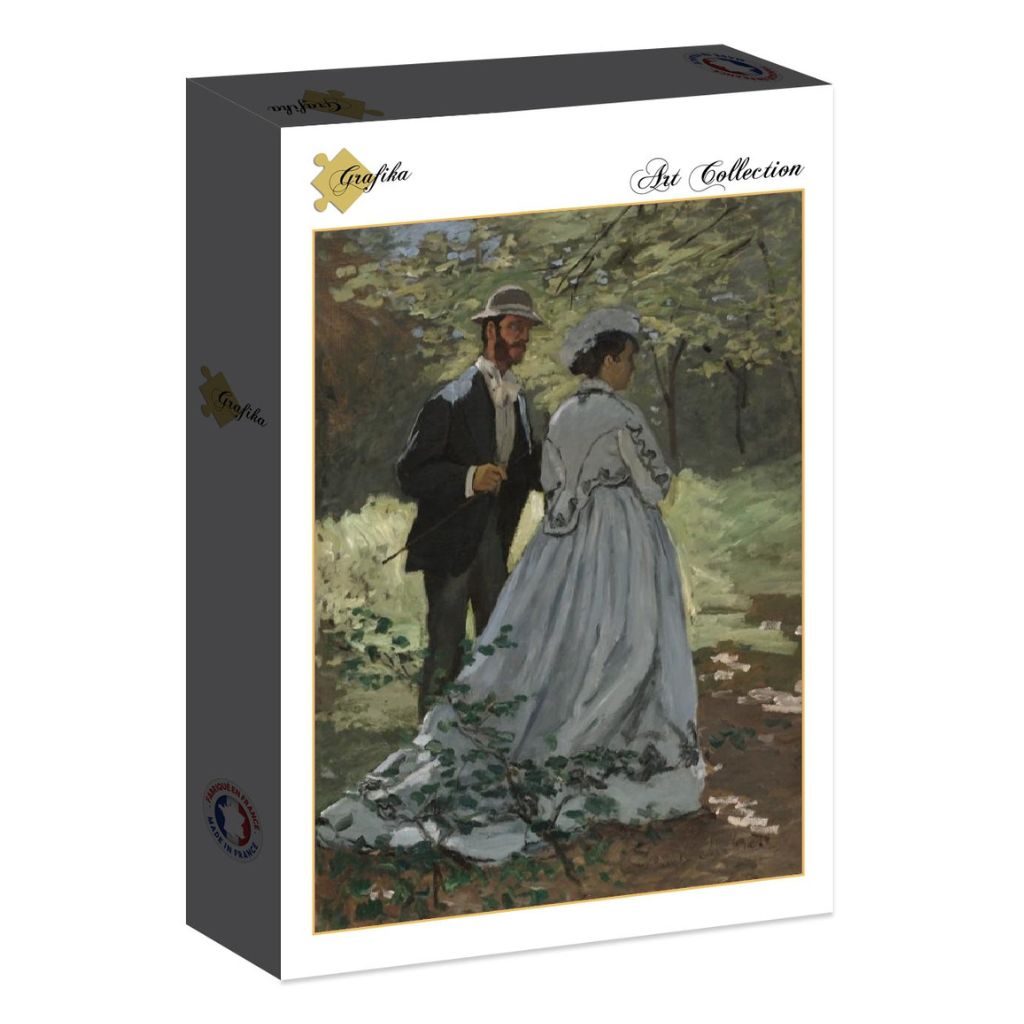
Claude Monet is one of the most popular and famous artists in the entire history of modern art. Through his paintings of landscapes and impressions he has become an icon of world art.
Getting to know Monet’s works and Monet’s paintings is a wonderful way to open your eyes to the beauty of nature that surrounds us and to the magic of light effects in open spaces.
In addition to admiring Monet’s paintings, with the Monet puzzles you will discover piece by piece the fantastic rendering of every brushstroke of Impressionist paintings
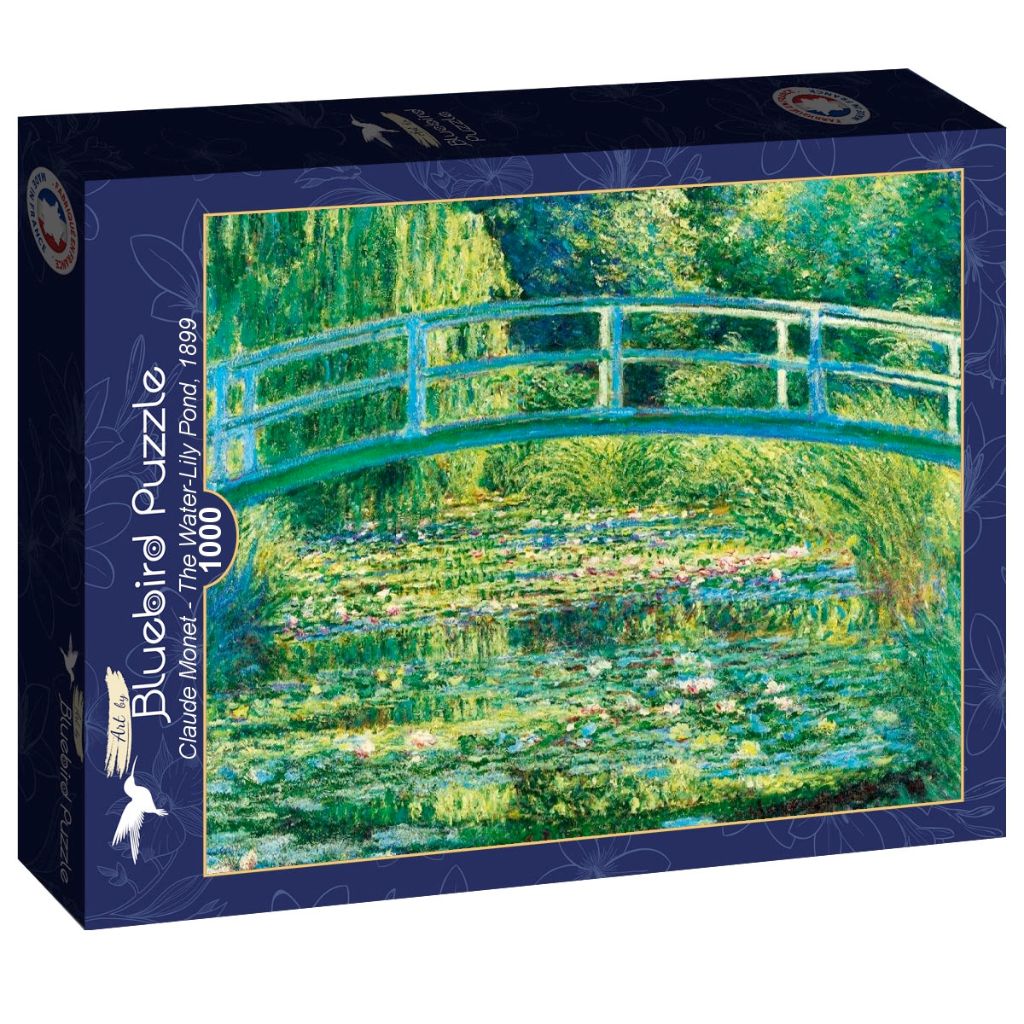
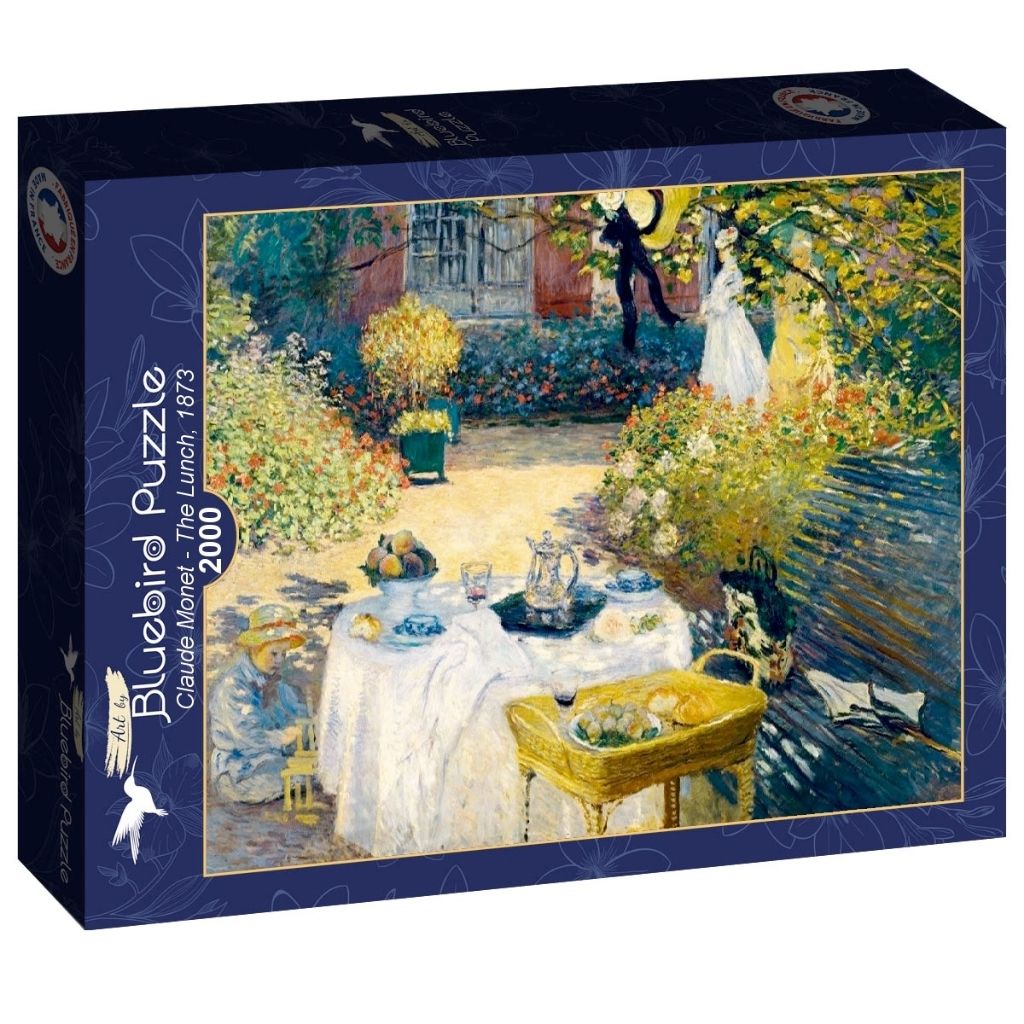
Claude Monet was born in Paris in November 1840. Born into a well-off merchant family, with his father working as a grocer, he spent a comfortable and serene childhood.
In fact, he grew up in Le Havre, a city in Normandy at the mouth of the Seine. He spent his childhood among the fields and Norman coasts and from an early age that light and those natural details that only Normandy could offer took root in his heart.
In fact school was not his passion and when in old age he was asked how he remembered the four years spent at the municipal school of Le Havre he said:
I was a boy naturally undisciplined, even in my childhood I hated obeying rules … I lived school as a prison and I hated spending my time there, even if only for four hours a day… I wanted to be where the sun was inviting, the sea fascinating, and where it was simply wonderful to run along the cliffs, or perhaps splash in the water.
However it was precisely at school that Monet first encountered drawing.
And it was drawing that helped him overcome the death of his mother and the limited presence of his father in his life.
He left school, but thanks to the interest of his aunt, Monet was able to continue his passion under the guidance of Jacques-François Ochard.
Unfortunately Monet’s early works, too classical and too monotonous for him, ended up in some basement and Claude began to specialize in creating biting caricatures to be sold at the price of twenty francs.
In 1860, while Monet’s very first works were beginning to gain the success for which he would become famous, Claude was called to arms and to perform his compulsory military service, and so he left for Algiers.
However the war was not only a dark period because, while he was in Africa, he managed to grasp the artistic essence of those places. This would undoubtedly contribute in the years to come to the creation of exceptional landscape drawings.
In 1862, he returned from the war ill.
After recovering from the illness he resumed painting, but what distinguished him from many other artists of the time was the fact that he painted the external world, placing on canvas everything he managed to capture. A true revolution in the eyes of the entire Parisian Academy.
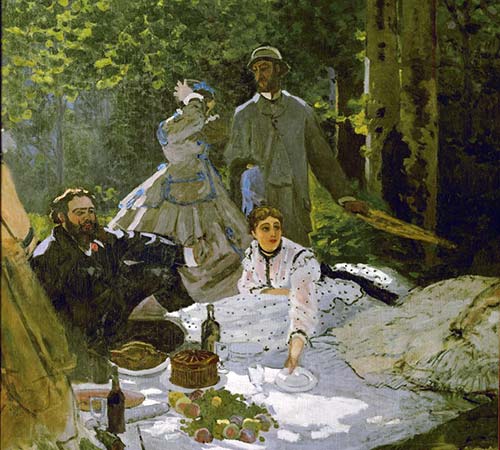
Unconcerned by this Monet continued to paint following his own style. In the following period, Monet’s paintings increased in beauty and importance, even drawing inspiration from great paintings of the past. In Luncheon on the Grass Monet clearly took as reference the work with the same name by Manet.
Unfortunately he did not achieve the hoped-for success and Monet decided to abandon the work in a boarding house leaving the canvas to its fate.
In 1866 he presented the work Woman in the Garden but the Academy criticized it for its frantic and rapid brushstroke.
At the beginning of the seventies of the nineteenth century Monet began to develop the taste that would make him famous around the world.
In 1870 he set up a floating studio on a boat. From here everything began. In these years Monet began to paint some of his most famous paintings.
In 1874 the revolutionary exhibition was inaugurated at the studio of the photographer Nadar, which displayed, in addition to some of his most famous paintings, many other works created by Cézanne, Degas, Morisot, Renoir, Sisley and Pissarro.
At that moment Impressionism was born, the first of the revolutionary avant-garde movements of twentieth-century art.
All these artists were united against the idea of a single way and a single path of seeing art and painting.
Among all the paintings exhibited there was a particular painting by Monet depicting a sunrise over the water: Impression soleil levant (Impression, Sunrise).
The name of the movement is attributed to this work.
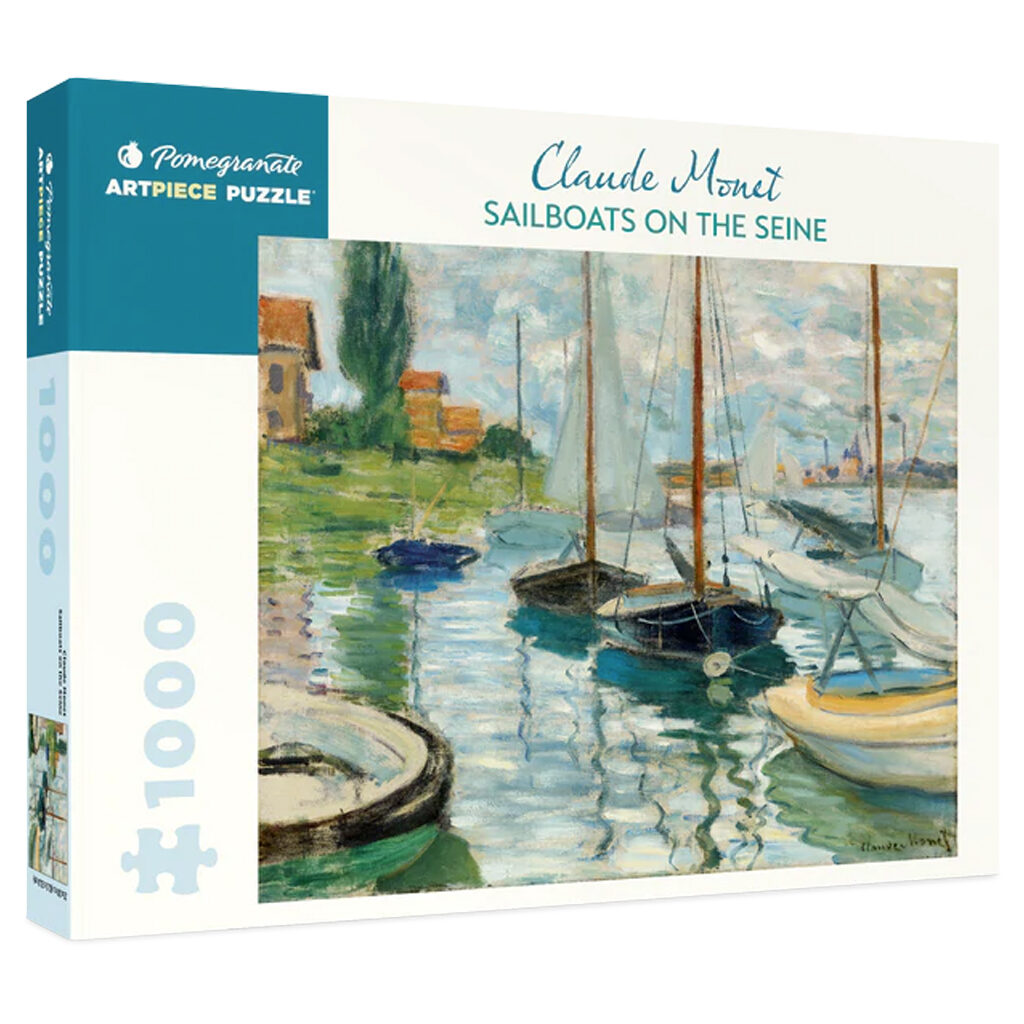
In these years began the most flourishing period of Monet’s artistic production. In fact in the same year, 1874, he also created The Bridge at Argenteuil, The Sailboat on the Seine at Argenteuil and The Artist’s House at Argenteuil.
However not even the great production of works and his growing success could stop the economic crisis that struck him.
The difficult period did not end quickly and in 1879 Camille Monet, Claude’s wife, died of cancer, and Monet captured the last moments of his wife on canvas.
He portrayed Camille Monet on her deathbed, a work of great impact now exhibited at the Musee d Orsay.
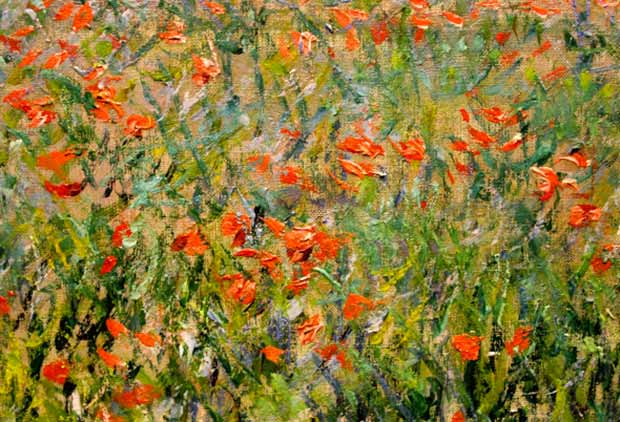
After creating paintings such as the Poppy Field Monet managed to recover from his difficult economic situation and formed a great friendship with the painter Pierre-Auguste Renoir.
Together with him he began traveling to Bordighera and started studying the local landscape using techniques and methods different from those of the past.
The works of this period were now far from those of Monet’s Impressionist period, to the point that they greatly anticipated the stylistic characteristics of the Fauves.
Finally in 1891 Monet decided to purchase a house in Giverny, and this house would accompany him throughout his mature life. During this period he created the wonderful views of the Rouen Cathedral and the Water Lily garden.
The Water Lilies were the last subject to which Monet devoted his attention and in them appears yet another transformation of the pictorial style of the old artist, now becoming almost abstract.
Claude Monet’s water lilies express the height of the revolution in art that the great Impressionist artist gave to modern art.
Do not miss the Monet puzzles exclusively on Puzzle Arte: true timeless masterpieces for your personal art gallery.