
Novità!
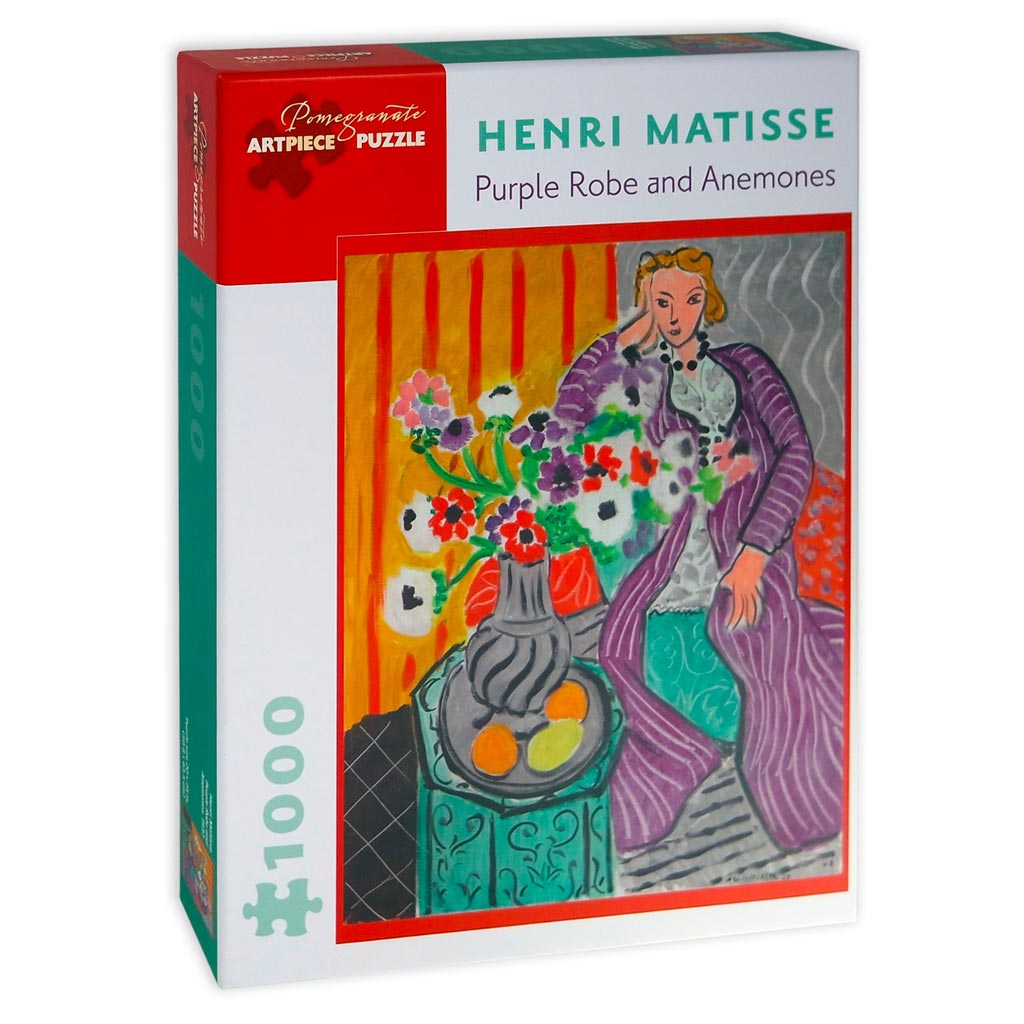
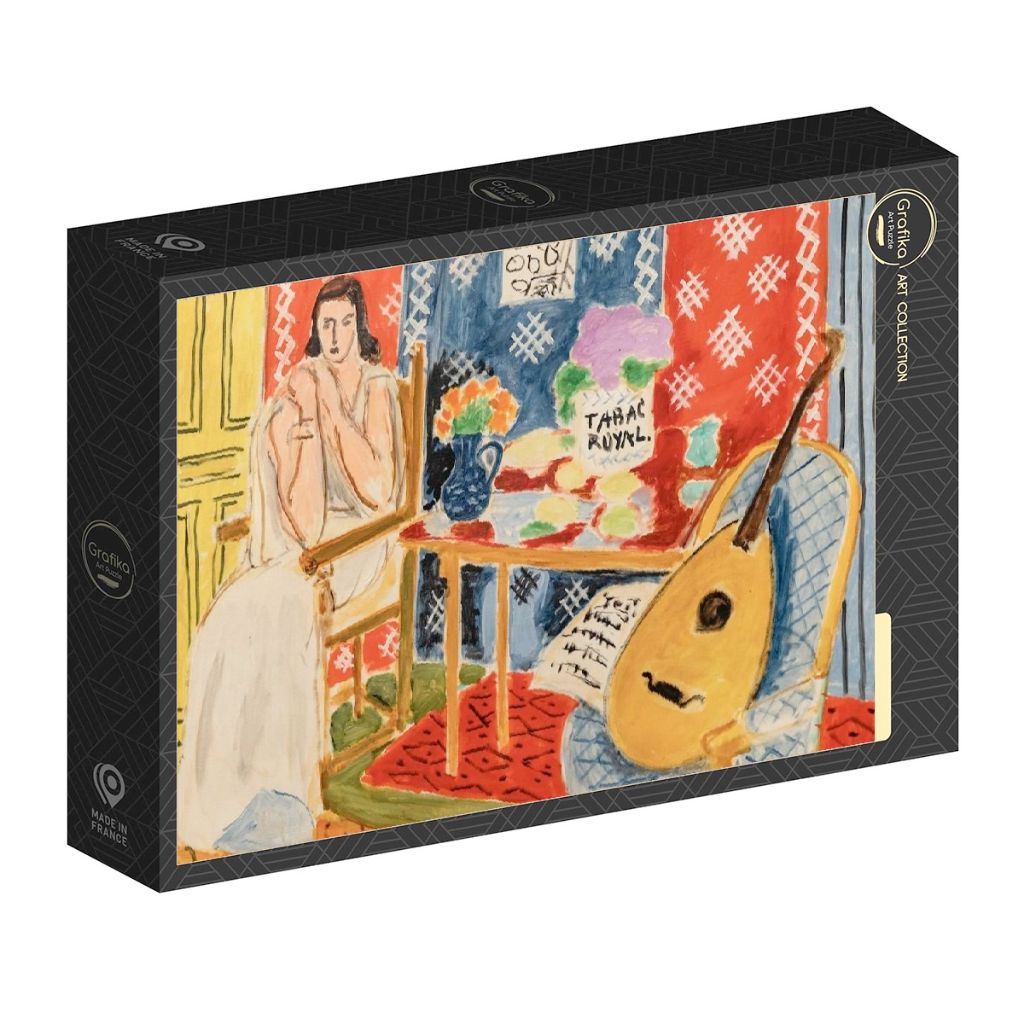
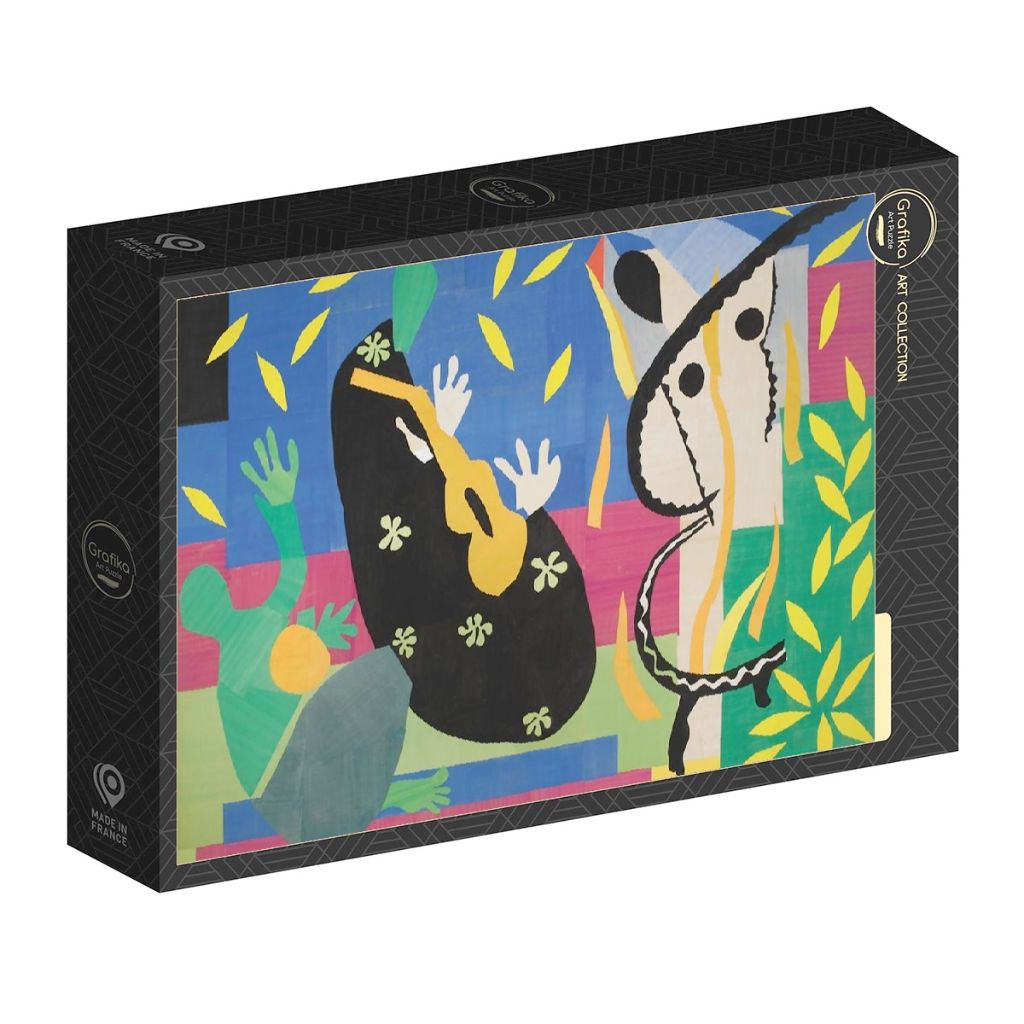
Discover our Matisse puzzles with us and enter a magnificent explosion of colors.
Matisse’s art is characterized by an extraordinary mastery of tones and the use of pigment.
In fact, Matisse represented a true revolution of color in art.
We have chosen the Matisse puzzles to allow you to enter with us into the beautiful works of the French painter and the entire Fauves movement.
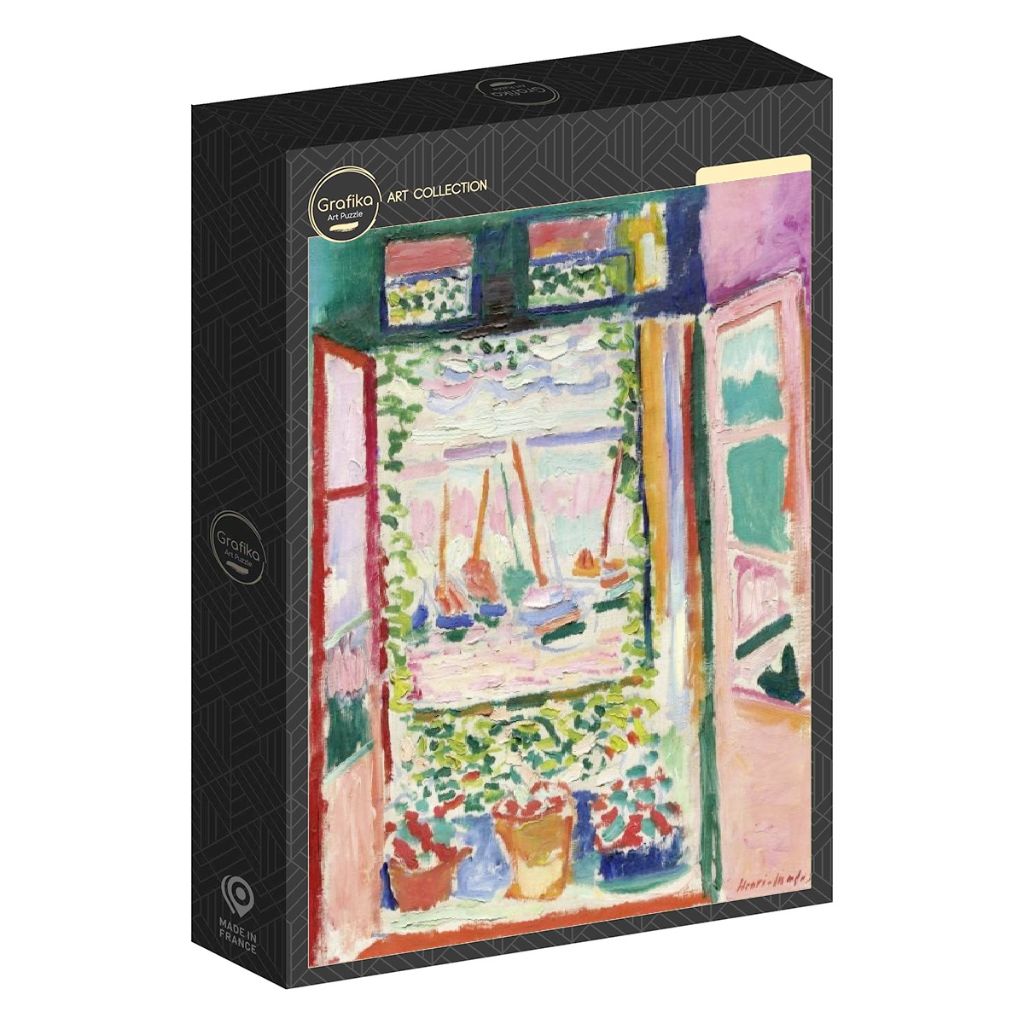
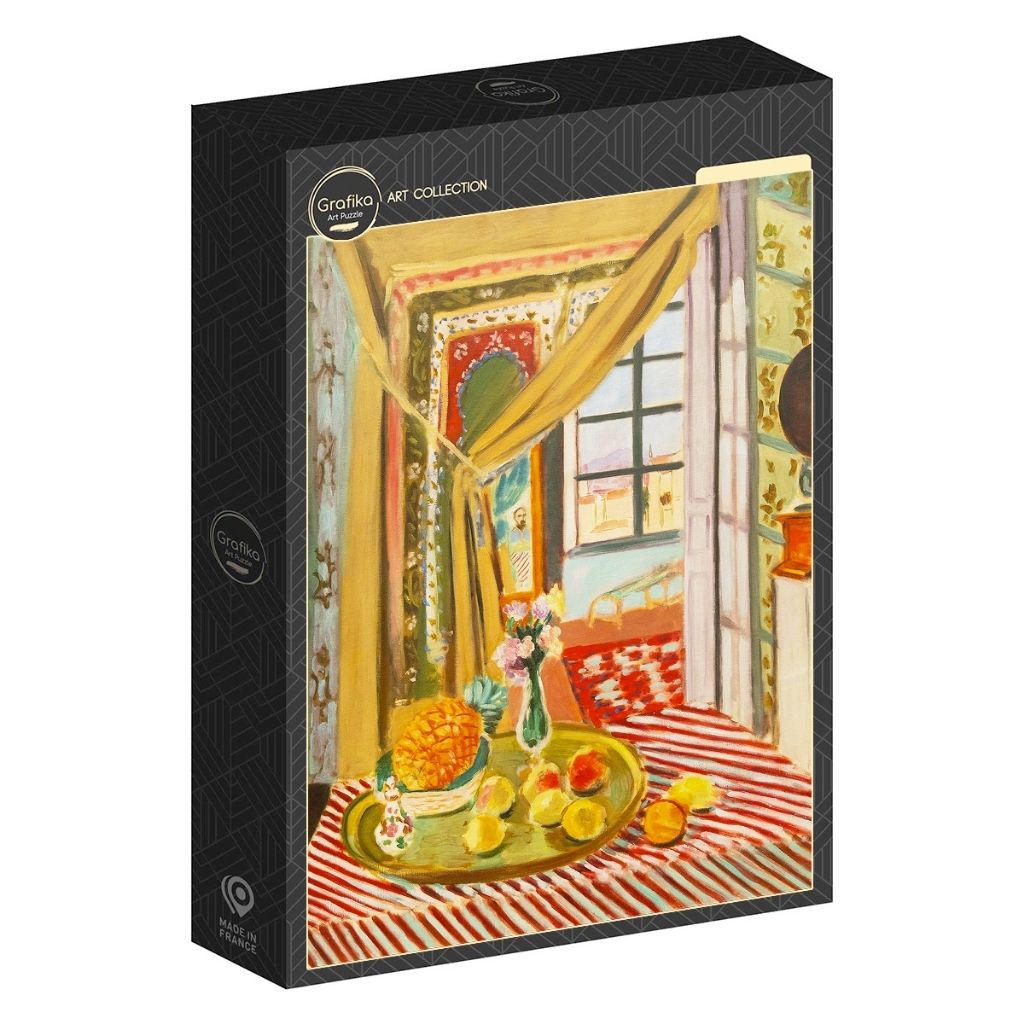
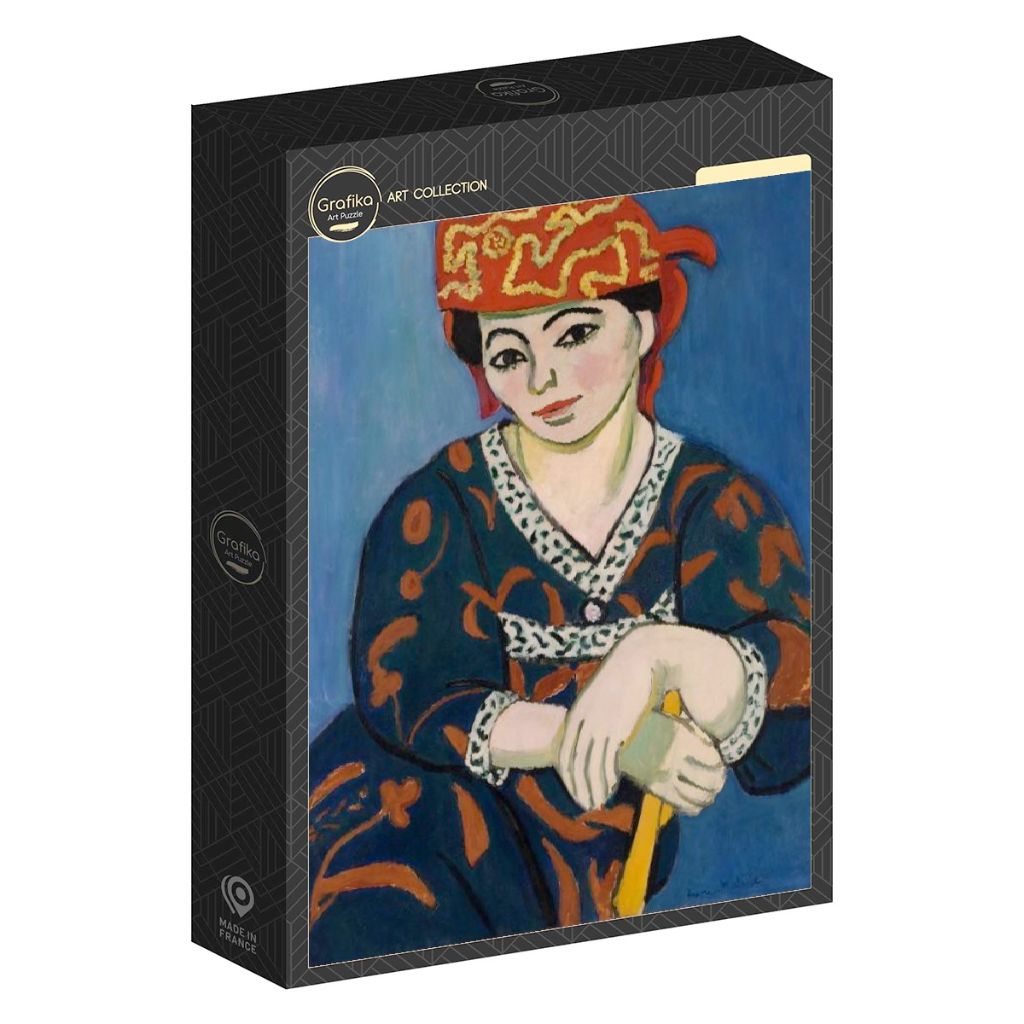
What strikes you about the paintings in the Matisse puzzles is the extraordinary emotional rendering that the French painter was able to achieve through the use of color in an imaginative but extremely accurate way.
At Puzzle Arte we want to let you discover these masterpieces through our Matisse puzzles.
We strongly believe in the power of art and in the educational potential of puzzles. In fact, the puzzle is a tool of intimate relationship between the artwork and you who are building it. By searching for each piece of Matisse’s works you will immerse yourself in his fascinating colorful world.
Observing his works in every detail and discovering them piece by piece means embarking on a colorful journey into your emotions.
On October 18, 1905, the third edition of the Salon d’Automne opened in Paris. Visiting the eighth room of the exhibition, the brilliant journalist Louis Vauxcelles, art critic of the daily newspaper «Gil Blas», found himself surrounded by paintings with colors so violent that he exclaimed and wrote in the report of the inauguration
Donatello chez les fauves (Donatello among the beasts).
In fact that statue seemed totally classical to him in the middle of so much aggressive novelty. As had happened other times (remember the similar case of the first exhibition of the Impressionists), the derogatory term fauves, beasts, was accepted by the same artists who had exhibited in the eighth room of the Salon as a sign of recognition, a term that grouped them under a single banner: the Fauves, the masters of color.
The group of the Fauves, although it did not arise as a movement, nor did it ever become one, recognized itself in some common beliefs. In fact for these painters the painting essentially had to give space above all to color. Furthermore one should not paint according to impression, but in relation to one’s inner feeling; that is, one must express oneself and represent things after having made them one’s own.
Painting, giving form to the sensations of the artist in front of the object to be reproduced, must be instinctive and immediate. For this reason color must be freed from the reality it represents and the artist must never be directed toward the realistic reproduction of nature.
Upon reflection, then, we are faced with the first real break with Impressionism and the first modern pictorial experience that does not take into account the relationship of identity between the real color of the object and the color used for its pictorial representation.
The great points of reference and the true premises of the new artistic formation were Cézanne, Gauguin and Van Gogh.
In fact the first, Cézanne, contributed to the dematerialization and recomposition of forms, the second for the relationship with colors to be used pure and with violence, and the third, the great Dutch master, for the representation on canvas of the inner and emotional experience of the artist.
Matisse
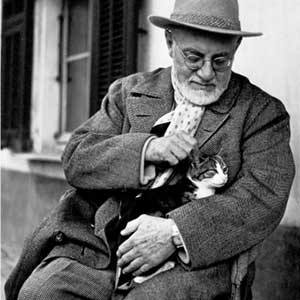
Born in Cateau-Cambrésis on December 31, 1869, Matisse completed his first studies in his hometown and later in Paris, where he attended law courses.
In 1889 an illness struck him and he was forced to remain at rest for a long period. However it was the opportunity that pushed Matisse to paint as a pastime.
Convinced that painting was his true vocation, he studied among the greatest Symbolist painters in a private school.
Matisse spent several years in the South of France and experienced the tragedy of the two world wars.
In 1944 he had to suffer the arrest of his eldest daughter, who was active in the Resistance, and that of his wife.
However Matisse’s life unfolded throughout its course in the serenity of the family environment, in a house with bourgeois taste and without the artist showing signs of leading a rebellious, uninhibited or scandalous existence which, instead, seemed to have to be typical of a revolutionary innovator.
Henri Matisse died in Cimiez, near Nice, the beloved place of the sunny and warm French south, on November 3, 1954.
If we had to summarize the artistic path of the great painter, we could do it using the words that he himself used around 1919:
As an Impressionist I painted directly from nature, then I aspired to greater concentration and a more intense expressiveness in lines and colors. To achieve this goal I had to sacrifice other values; matter, three-dimensionality, the richness of details. Now I want to reconcile these values… the joy of painting.
Among the greatest creations of this period stands The Dance, a work that had a long gestation and whose subject the artist returned to again, about twenty-five years later, with a triptych of imposing dimensions.
Five nude young women are captured in a dizzying dance while holding hands and moving in a circle. The convulsive rhythm means that the dancer in the foreground, at the center, lets go of the hand of the companion on the left and launches herself toward her to grab it and thus recompose the circle.
The painting, of considerable size, is resolved with the use of only three main colors: bright green for the meadow, blue for the sky, red for the bodies of the young women.
The brightness of the tones and the choice of red, rather than the pink of the first version, move the subject away from the truth of natural color.
The flat background emphasizes the decorative aspect of the work in its essentiality of forms dissolved in color, even though a volumetric necessity still remains clearly readable in the bodies modeled by the dark line which is not only an outline.