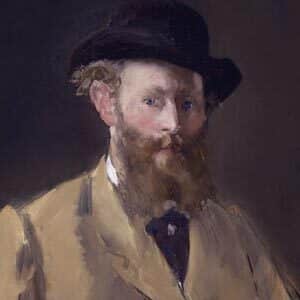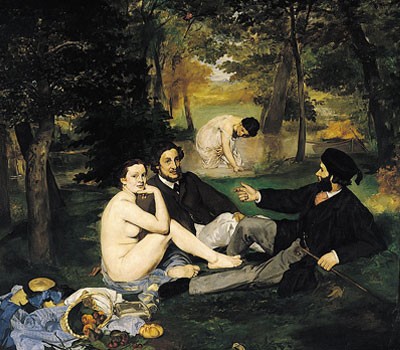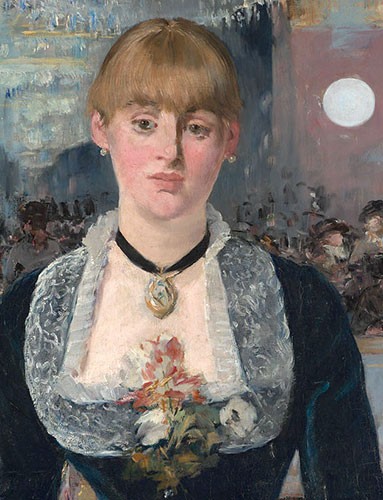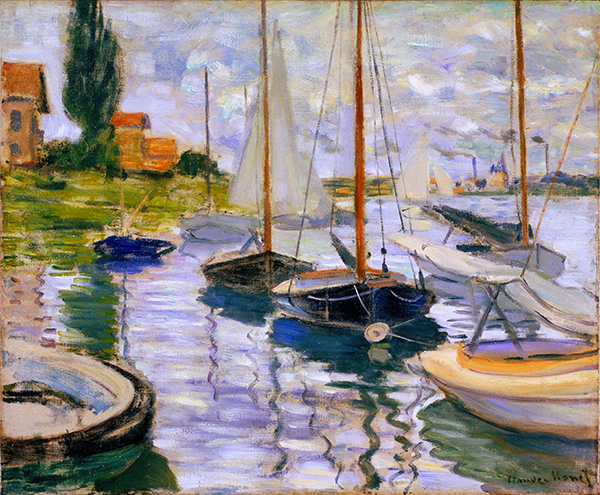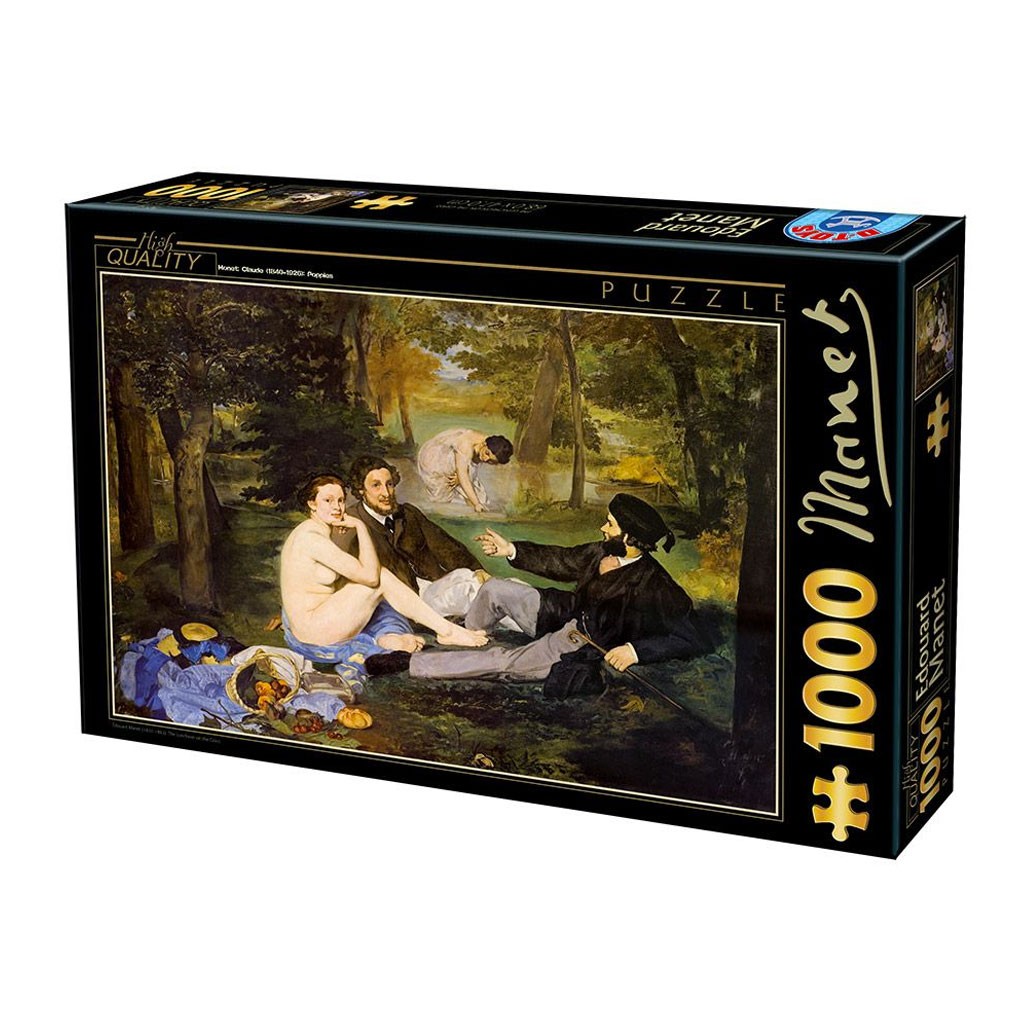


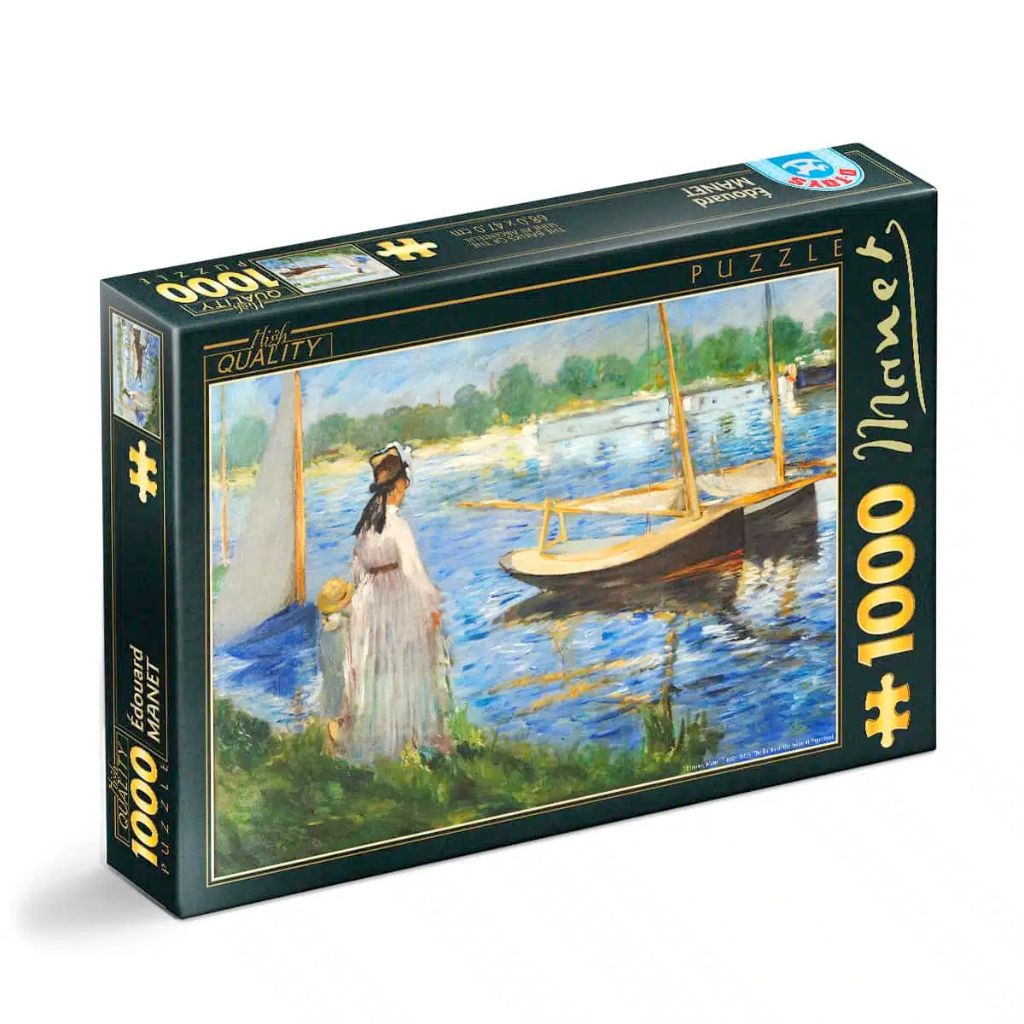
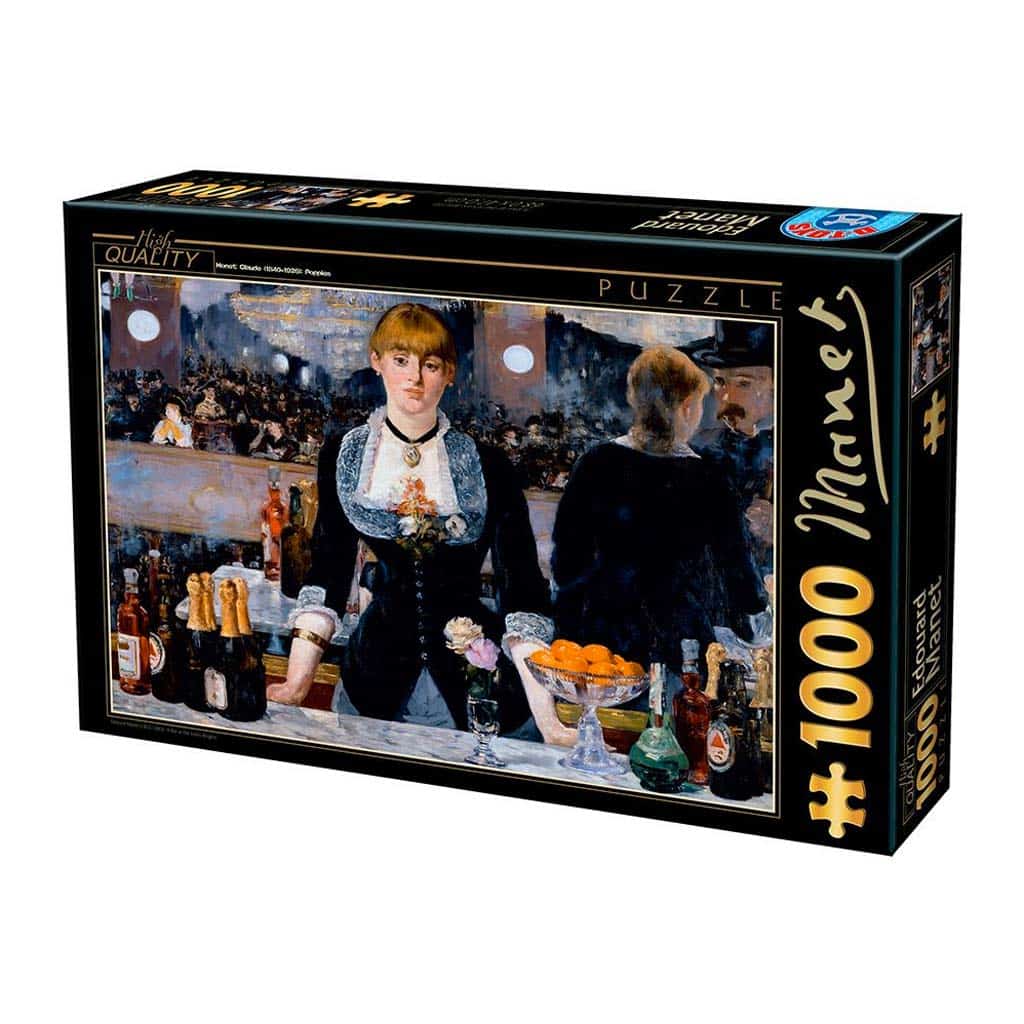
Discover together with us our Manet puzzles and immerse yourself in the history of the great French painter of the nineteenth century. Manet was not only a painter, but he was undoubtedly one of the most skilled and innovative figures in the entire history of art.
For us at Puzzle Arte, Manet puzzles are a wonderful tool to intimately enter into the works of the great Parisian master.
In fact the puzzle is a tool of silent connection between the artwork and you who are building it. By searching for every piece of Manet’s works you will immerse yourself in the history of modern art. Try Manet puzzles yourself
Edouard Manet was born in Paris on January 23, 1832 and from a young age he showed little inclination toward studies and a strong attraction to drawing and painting. His father, to discourage him from pursuing an artistic career, had him board, at just sixteen years old, on a steamer departing for Rio de Janeiro.
The hope was to direct him, if not toward the career of magistrate, at least toward that of a long-distance naval commander. The journey proved extremely stimulating for Manet’s artistic development, while from his father’s point of view it was a complete failure, since the young man showed no interest in life on board and the result of the naval officer exam was a clear rejection.
«Well then, follow your inclinations: study art!»
his father finally granted him, convinced deep down that his son would never be anything other than a failure.
He traveled to Holland, Germany, Austria and Italy. In the museums of those countries he especially admired the great colorists of the past: from Titian to Rembrandt, from Tintoretto to Velázquez, authors whose extraordinary qualities he had already appreciated in some paintings at the Louvre.
Among contemporary artists, Manet greatly admired Delacroix, from whom he asked permission to copy his The Barque of Dante, creating two different paintings in order to better study and understand the master’s innovative color technique.
In the first canvas, dating back to 1855-1856, the copy is still very respectful of the original, while in the second, dating around 1859, the colors are applied more freely, in large juxtaposed masses, already foreshadowing what would become the preferred technique in the later years of his maturity.
In 1861 he met Degas with whom he formed a deep friendship that would become the fundamental core around which all the young artists who frequented the Café Guerbois would gather.
When, in 1874, the Impressionists held their first exhibition, Manet did not participate directly, but his moral presence and his influence appeared unquestionable.
On the day of Manet’s funeral, which took place on April 30, 1883, with only Renoir absent, the group of Impressionists perhaps gathered for the last time behind the coffin of that master who, although he had not left a school or students, had opened the path to contemporary painting.
The closeness between Manet and the young impressionist, which reached its peak in the summer of 1874, is explicitly declared in this painting, not completed, like another similar one. Manet required long posing sessions from his models and it is likely that he did not want to subject his friend and the young wife to such a procedure.
The idea of a floating studio had not been Monet’s. He had taken it from Daubigny, a famous landscape painter of Barbizon and a friend and supporter of Monet himself, who had experimented with the idea, which became famous for its originality, in the 1860s.
In the painting, whose real protagonist is the boat itself, which occupies almost the entire surface area, Monet is depicted in profile, intent on working on a canvas, still in the sketch stage.
His wife Camille, wrapped in a white dress, which contrasts with a black hat, watches him paint from a respectful distance.
The artist used a mobile and vibrant brushstroke, boldly dotting the water with yellow, green, pink, and black.
With the same technique of colored shadows and reciprocal reflections that Monet was intensely applying in the works of the same period.