Novità!
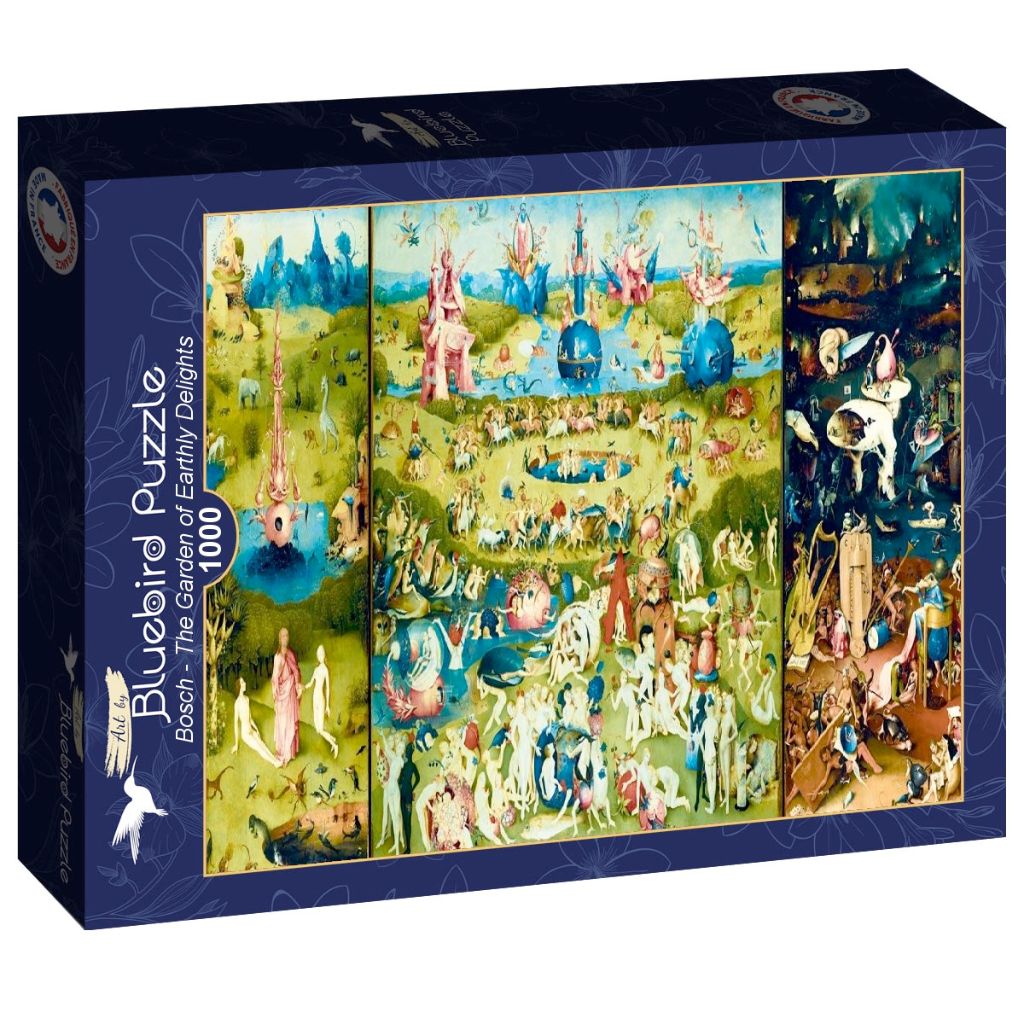
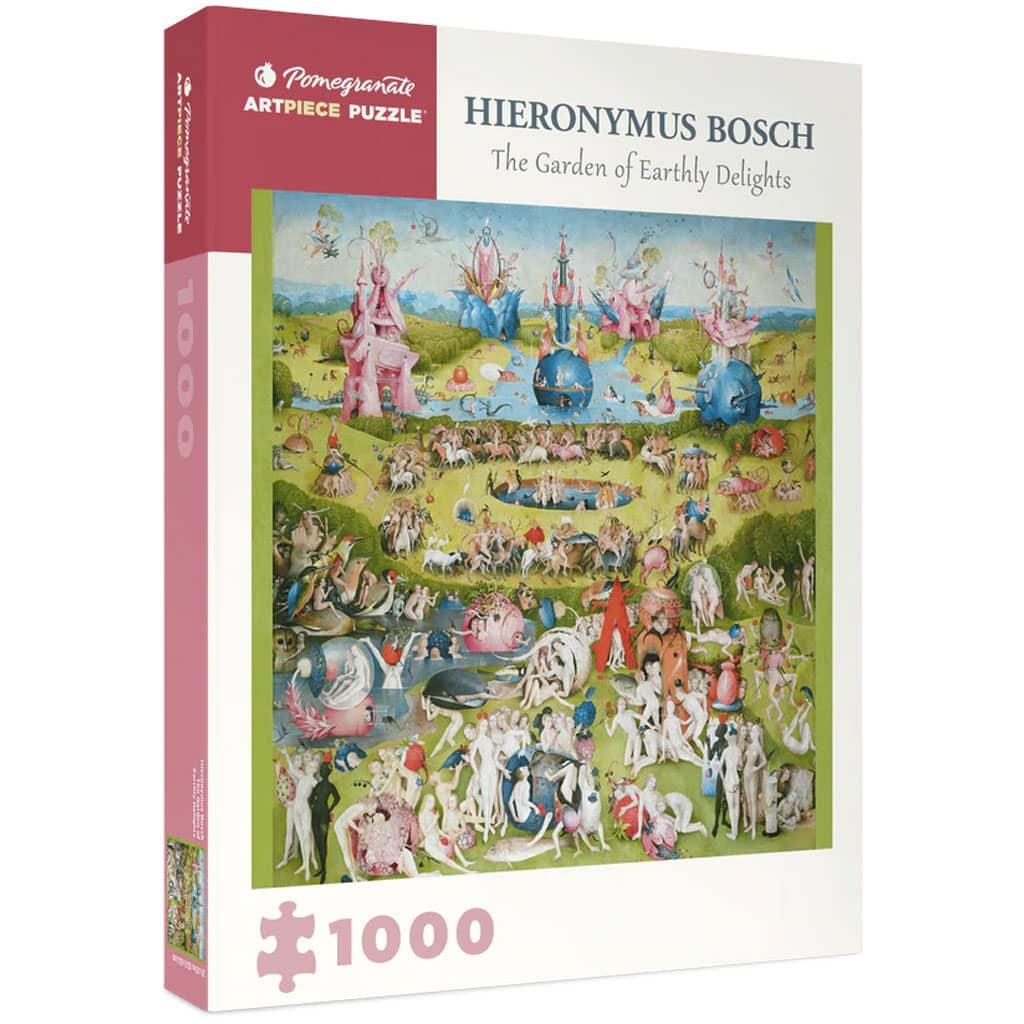
Discover with us our Bosch puzzle and immerse yourself piece by piece into the artist’s most ambitious work. In no other creation did Bosch reach such a level of complexity, both in symbolic meaning and in vivid imaginative depiction.
Art in Bosch puzzles represents numerous biblical scenes and likely aims to describe the history of humanity through medieval Christian doctrine.
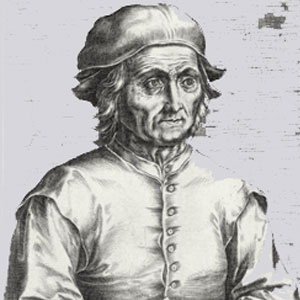
Little is known about his life: Jeroen Anthoniszoon van Aeken, the artist’s real name, was born in the town of ‘s-Hertogenbosch (Ducal Forest, today Den Bosch), currently in the Netherlands but at the time under the rule of the Dukes of Burgundy.
Hieronymus Bosch came from a family of painters. His great-grandfather, grandfather, father, three uncles, and two brothers were all painters. Yet Bosch was undoubtedly the most famous painter of the family.
To distinguish himself from his father and brothers and to honor his hometown, the painter adopted the pseudonym Bosch.
He married Aleyt de Meervenne, from a wealthy bourgeois family, which protected him from financial worries and allowed him to dedicate himself to art.
He was deeply religious and joined the Confraternity of Our Beloved Lady, an important association of laypeople and clergy devoted to the Virgin Mary and to combating corruption among the clergy.
Hieronymus Bosch’s vivid and fantastic imagination sets him apart from other artists. He painted wild, unimaginable things—reptiles with human forms, monsters, giant fruits, grotesque metamorphoses, and caricatures so bizarre that they combined human, animal, and even plant forms. He sometimes depicted obscene scenes, nightmares, or hallucinations, earning him the nickname ‘creator of devils’.
Thanks to his bold vision, Bosch became widely known and a source of inspiration for other artists, including Salvador Dalí, Jorg Immendorf, and Robert Gober.
Bosch’s painting reflects the anxieties of the 15th century, a time when Northern Europe experienced a crisis of Catholic values that later culminated in Martin Luther’s Reformation, creating an atmosphere of intimidation and disapproval.
At the core of his paintings lies a moral tension, a warning for sinful humans living in vice about their eternal destiny. Opinions on him vary—some see him as a moralist criticizing social behavior, others as an ironic provocateur against the Catholic Church.
Although Hieronymus Bosch worked as a painter throughout his life, many paintings are difficult to attribute to him with absolute certainty due to numerous followers who imitated his style.
The most famous works definitely attributed to Bosch are:
The Garden of Earthly Delights; The Haywain; The Adoration of the Magi; The Last Judgment; The Pedlar or the Prodigal Son.
Hieronymus Bosch died in 1516. In the summer of 1516, an epidemic—likely cholera—spread in ‘s-Hertogenbosch. Bosch may have been among the victims. While the exact date of his death is unknown, some documents note that a requiem mass for “Jeronimus van Aken, painter” was held on August 9, 1516, in the chapel of the Confraternity at the Church of Saint John.
His burial place is also unknown, but he was likely buried in the church courtyard.