

Home / Art at school through colors and emotions
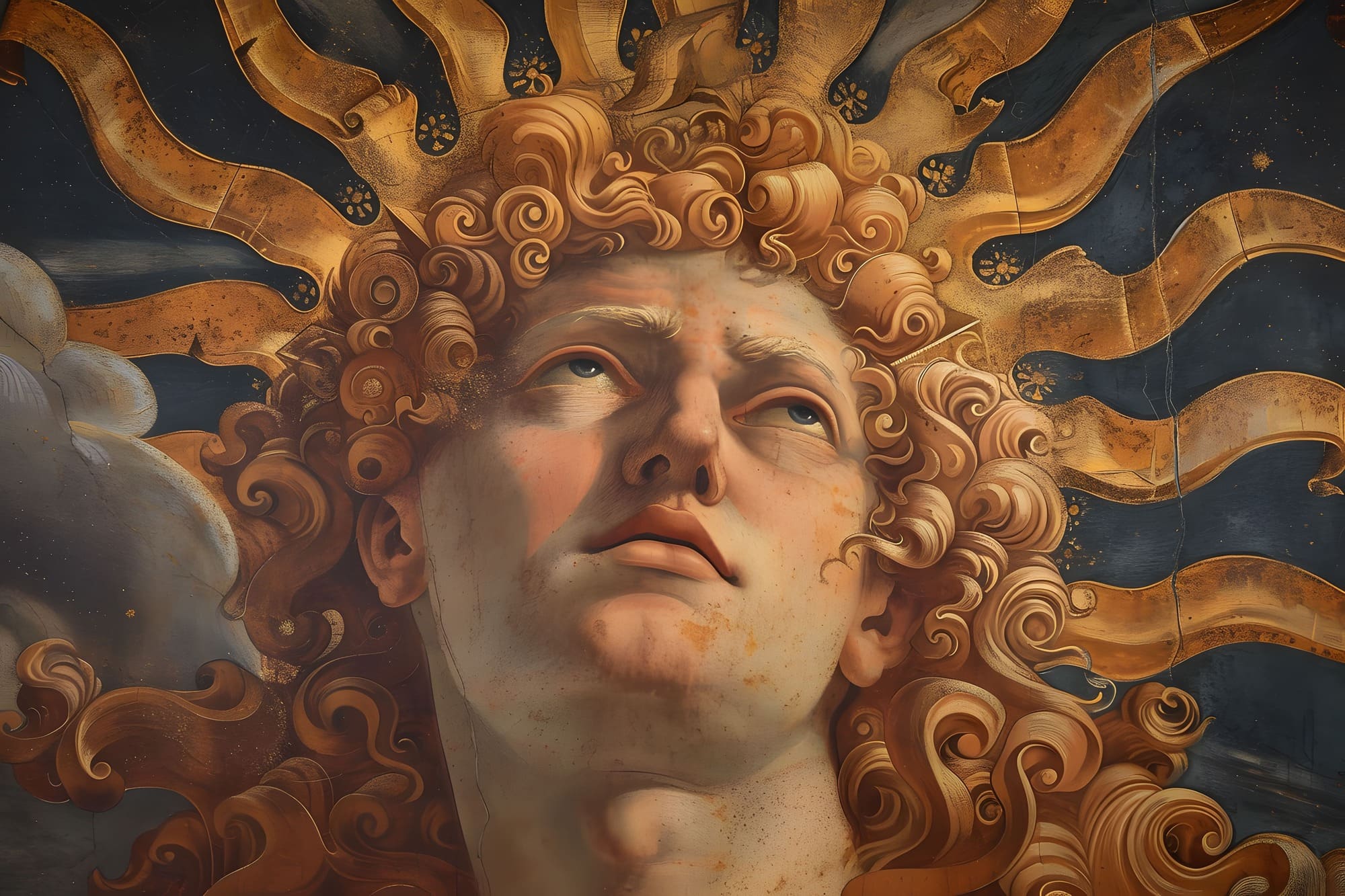
Art in school allows for the comprehensive implementation of all educational stimuli aimed at developing skills and creativity. Thanks to Italy’s immeasurable artistic heritage, children can learn from an open-air museum.
Art in schools combines play with learning. It is an irreplaceable resource and contributes to the aesthetic and emotional sense. It dismantles the educational model based on Enlightenment ideas that rely on academic knowledge for the benefit of creative thinking.
Indeed, according to new learning models based on problem solving, it is the development of creativity that encourages research and experimentation . Artistic skills themselves become a resource in people’s education, and the teaching and practice of art are crucial to learning.
The school’s educational mission will be to teach children to consciously observe the images around us, as well as to learn the tools and techniques to create them independently.
According to the learning-by-doing methodology, theoretical activity must be linked to practical activity. Hence the importance of laboratory activities for children , where they experience autonomy, responsibility, and collaboration.
Whether it’s painting, drawing, printing, collage, computer graphics, or plastic modeling, art in school fosters the development of skills. For example, hands retain memory, and drawing is a powerful form of knowledge. Furthermore, learning comes through doing, which makes it meaningful and lasting.
It’s well known that art encourages self-expression, observation, and critical thinking in children, which are fundamental aspects of development. Indeed, art in school is a multidisciplinary hub because it offers countless opportunities for knowledge and learning. From the artwork itself, to the artist and the geographical and historical context, to emotional stimulation.
Art as a discipline allows us to apply that laboratory method necessary to stimulate curiosity and build each person’s personality.
Starting in elementary school, art at school supports children’s ability to express themselves and communicate creatively and personally. First, children are introduced to nature, which provides a genuine field of experimentation. This ranges from studying leaves to exploring the colors of the rainbow.
As suggested by the Buona Scuola guidelines, introducing art into teaching achieves important objectives. For example, the ability to observe images and various artistic creations in order to interpret and understand them. Then, developing a personal sensitivity to beauty.
Finally, an attitude of conscious attention and care for the artistic heritage.
Furthermore, the new guidelines include planning direct experiences in museums and in the local area, to actively learn and understand.
In primary school, the expected outcomes also include developing a keen appreciation for craftsmanship, as well as an appreciation for works from cultures other than one’s own, out of respect for their preservation.
The first thing children will learn in art class at school is that color is created by light. Perceptually, colors are divided into two broad categories: warm and cold.
Warm colors include the entire range from yellow to red, including reds that fade to purple. Cool colors, on the other hand, include the range from green to blue and violet.
The division aims to evoke the psychological sensations each color evokes in the mind, as well as associations with nature. The sun and fire have warm colors, while water, ice, or grass have cool ones.
Teaching art in school educates children to think, move, and observe critically. The first approach usually recommended is to refer to Kandinsky ‘s style, for landscapes but also for abstract art . In fact, the artist did not paint to represent the reality he saw, but to give vent to his most intimate emotions.
In ‘The Study of Color’ the Russian artist expresses the profound relationship between abstraction and the intimate connection between color and emotion. This is why the shapes and colors appear “confused”. This theory can similarly be found in “Yellow, Red and Blue” .
Beyond the association between colors and emotions , teaching art in schools involves the ability to observe reality. This method allows children to understand the nature of light and shadow, and therefore chiaroscuro, from an early age.
Here, “still life” comes to the rescue, that is, the highly realistic reproduction of inanimate subjects. In Catholic countries, still life can convey moralistic messages and lead to reflection on the transience of life or the beauty that fades over time.
In conclusion, still life is a composition that portrays fruits, flowers, inanimate objects of various kinds.
The use of various techniques allows for the artist to highlight the characteristics of the chosen objects, particularly their shape, volume, and color tones. These are all elements that, depending on the chosen representations, reveal the artist’s message. After Caravaggio, many artists have dared to follow his example.
In the study of art at school, the reference area is a real goldmine.
Thanks to the vast array of artworks spread across the country, Italy can be considered an open-air museum. Indeed, it’s worth remembering that it has the highest number of UNESCO World Heritage Sites of all countries: 51.
This recognition reinforces the university’s global leadership, thanks to its cultural heritage and influence, which represent a rich and complex educational offering.
The variety of works of art covers a time span from prehistory to the present day.
From monumental churches like the Cathedral of Santa Maria in Fiore in Florence to the Duomo in Milan, all the way to the Colosseum , Italian art is the most celebrated in the world.
There isn’t a famous museum in the world that doesn’t contain one or more works by famous Italian painters. Avant-garde artists who knew how to see beyond the canvas. Obviously, the list cannot help but begin with Leonardo da Vinci , Raphael Sanzio , and Michelangelo Buonarroti .
The ‘Last Judgement’ in the Sistine Chapel remains one of the most famous and appreciated pictorial masterpieces in the world.
But in art teaching at school, we can also include Giotto, Titian, Tintoretto, Modigliani, and Caravaggio, among others. These illustrious figures are part of our cultural heritage and are frequently represented.
In particular, 2020 marked the 500th anniversary of the death of Raphael Sanzio. The Urbino artist was the focus of exhibitions, conferences, seminars, and publications.
Not only to revive the value of his works but also to spread his artistic culture in schools and among the youngest.