

Home / Japanese Art Puzzles: From Hokusai to Monet, When the East Inspires the West
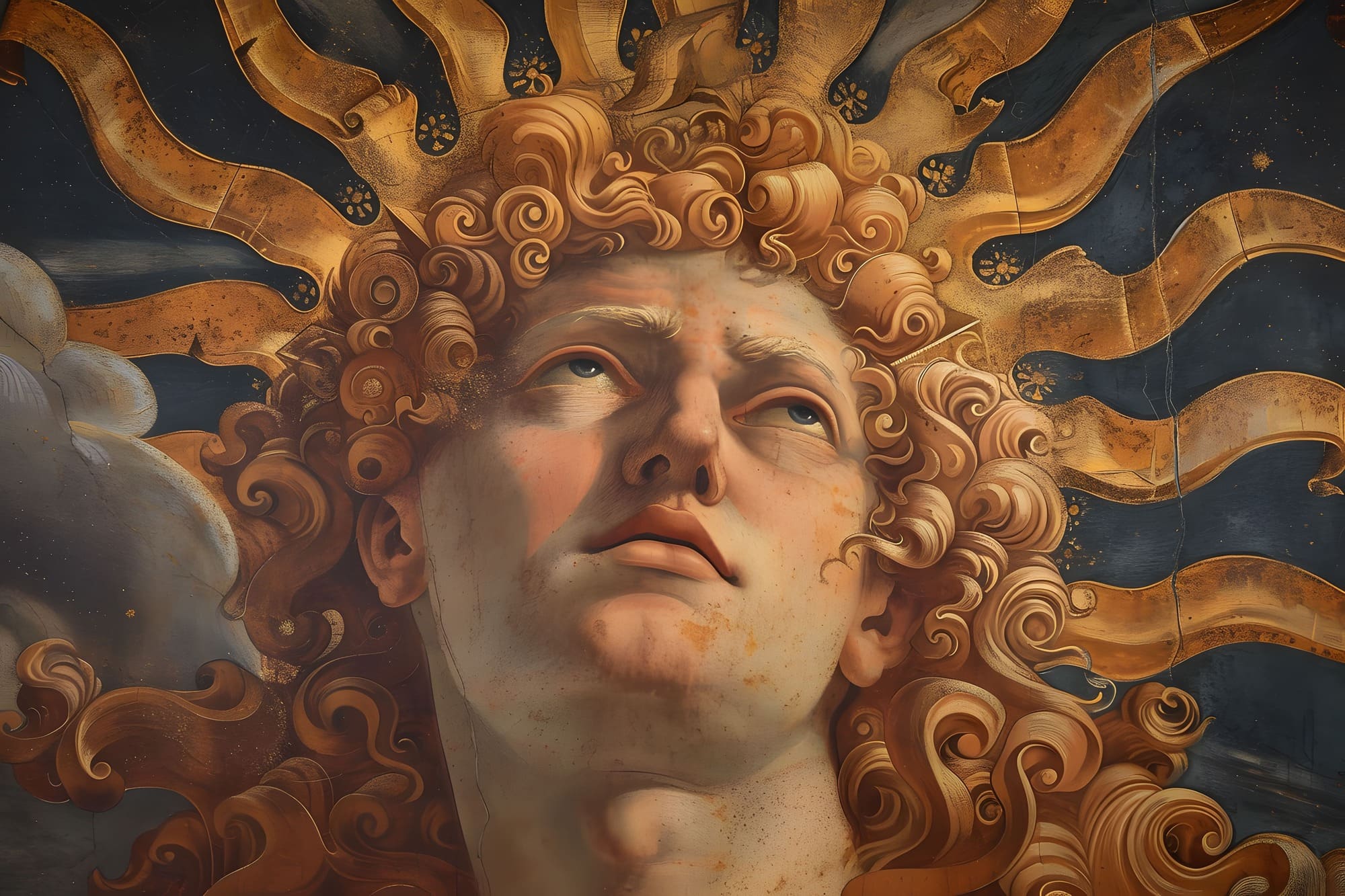
Japanese art has profoundly influenced Western painting, giving rise to a silent dialogue made of shapes, colors and symbols that span time.
In the world of designer puzzles, this cultural fusion translates into images that convey not only beauty, but also contamination, research, and harmony.
One cannot talk about Japanese puzzle art without starting from the symbolic work of Ukiyo-e: The Great Wave off Kanagawa by Katsushika Hokusai.
This print, the most famous of the series Thirty-six Views of Mount Fuji , represents the encounter between nature and spirituality, between power and calm. The monumental wave threatens small boats, while in the background the sacred Mount Fuji can be glimpsed, motionless and distant.
Available on our website in two versions: 500 pieces and 1000 pieces in panoramic format. This puzzle allows you to rediscover every graphic detail, every curve and contrast, transporting you into the world of Japanese printing with a slow and meditative gesture.
If Hokusai represents the pinnacle of Japanese aesthetics, Claude Monet embodies the intersection with European art. The French Impressionist master was deeply fascinated by Japan, to the point of transforming his garden at Giverny into a veritable oriental landscape.
The Japanese bridge spanning the water lily pond is more than just an architectural element: it’s a symbol of passage, balance, and contemplation. In his paintings, Monet depicts it immersed among the willows and the reflections of the water, creating an almost abstract image in which nature becomes pure color.
The 1000-piece puzzle dedicated to Monet’s Japanese Bridge takes inspiration from one of these masterpieces, conveying on printed paper that sensation of total immersion among leaves, light, and silence.
The Water Lilies series is one of Monet’s most famous and iconic pictorial cycles. What few know is that, beyond the Impressionist technique, these works embody a strong connection to Japanese symbolism.
In Eastern thought, water lilies symbolize balance, purity, and renewal. They float on the surface of the water but sink their roots into the murky depths of the pond, embodying the concept of beauty born of depth and patience.
With Monet’s Water Lilies puzzle , you can relive this floral enchantment in the master’s pastel tones, recomposing a work that speaks of time, light and transformation.
Putting together a puzzle is not just a playful activity, but a contemplative act. When the image to be reconstructed is inspired by Japanese art or its influence on European art, the experience takes on an even deeper meaning.
The puzzle becomes a slow ritual, made of observation, intuition and attention.
A personal moment in which one enters into a direct relationship with the work, recognizing the invisible connections that bind East and West, past and present.
Choosing a Japanese art puzzle means not only decorating a wall or spending a creative afternoon, but also embracing an aesthetic that speaks of balance, nature and silence .